New York Times subpoenas: DOJ to withdraw demands over Air Force One story
The Justice Department told a judge it will pull subpoenas seeking Times reporters’ testimony and phone records in an Air Force One leak inquiry.
By Deshawn Carter · Sports Writer
2 min read
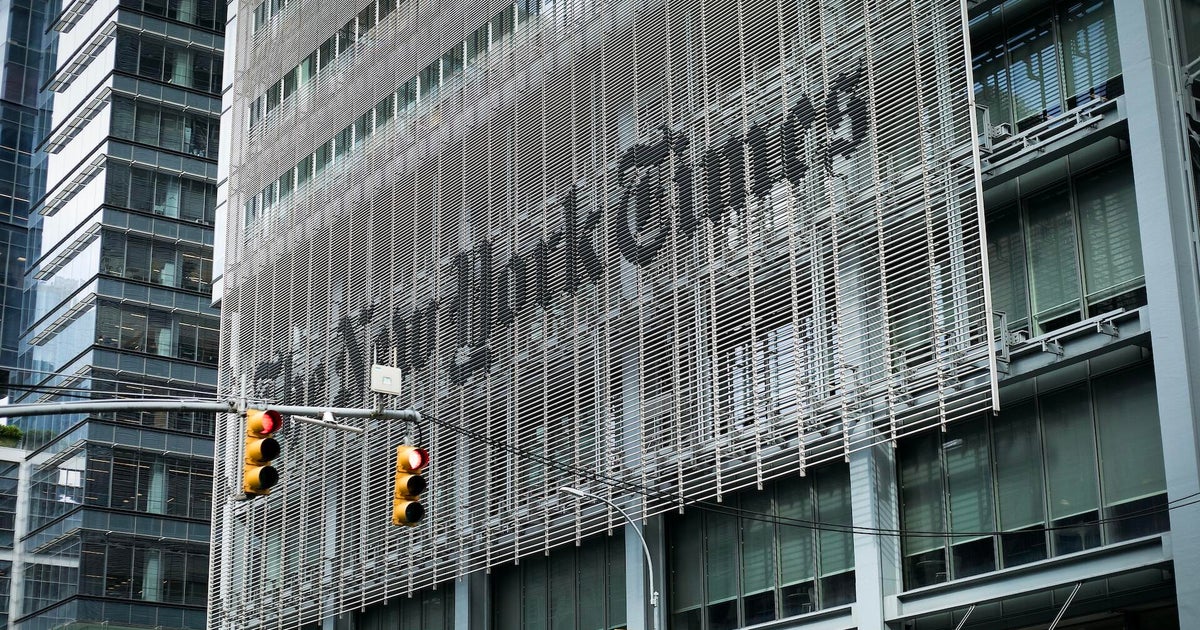
The New York Times subpoenas fight took a sharp turn Thursday when the Justice Department told a federal judge it will withdraw demands for grand jury testimony and phone records from the newspaper’s reporters.
The move came during a tense court hearing before U.S. District Judge Arun Subramanian, who pressed federal prosecutors over why they pursued the subpoenas before taking additional investigative steps, according to CBS News.
Subramanian also questioned whether sanctions should be considered over alleged perjury in an application submitted to a judge to obtain the subpoenas, CBS News reported.
Why did the DOJ subpoena New York Times reporters?
The New York Times said prosecutors were trying to identify sources who spoke to its journalists about security systems on the new Air Force One plane, which the paper said was donated by the Qatari government.
The newspaper said in court filings that the government attempted to obtain phone records tied not only to Times journalists, but also to family members of those reporters.
The subpoenas arrived the same day the Times published reporting on President Trump’s use of an older presidential aircraft to leave the NATO summit in Turkey, the newspaper said earlier this month.
The Times moved in court to block the subpoenas, describing them in filings as “abusive and improper.”
Who signed the subpoenas?
The New York Times said the subpoenas were signed by Jay Clayton. CBS News identified Clayton as having served as the U.S. attorney for the Southern District of New York and as a Trump pick for director of national intelligence.
The Justice Department’s decision to withdraw the subpoenas means the immediate fight over the reporters’ grand jury testimony and phone records is set to end, though the hearing raised broader questions about how prosecutors sought the records.
Subramanian’s questioning focused on the government’s process, including why subpoenas were issued before other investigative steps were taken, according to CBS News.
The Justice Department did not have its position described beyond telling the judge it would withdraw the subpoenas. The New York Times’ court challenge centered on the argument that the demands improperly targeted journalists and their newsgathering.
The dispute placed the leak inquiry squarely against press-freedom concerns, with the Times arguing that prosecutors were reaching for reporter records in an effort to track down confidential sources.
CBS News described the case as developing.
This story draws on original reporting from CBS News.