Pan Am wreck found off Puerto Rico 74 years after crash
Searchers located the Clipper Endeavor in 2,000 feet of water after years of archival research and an undersea drone scan.
By Frankie Delgado · News Reporter
3 min read
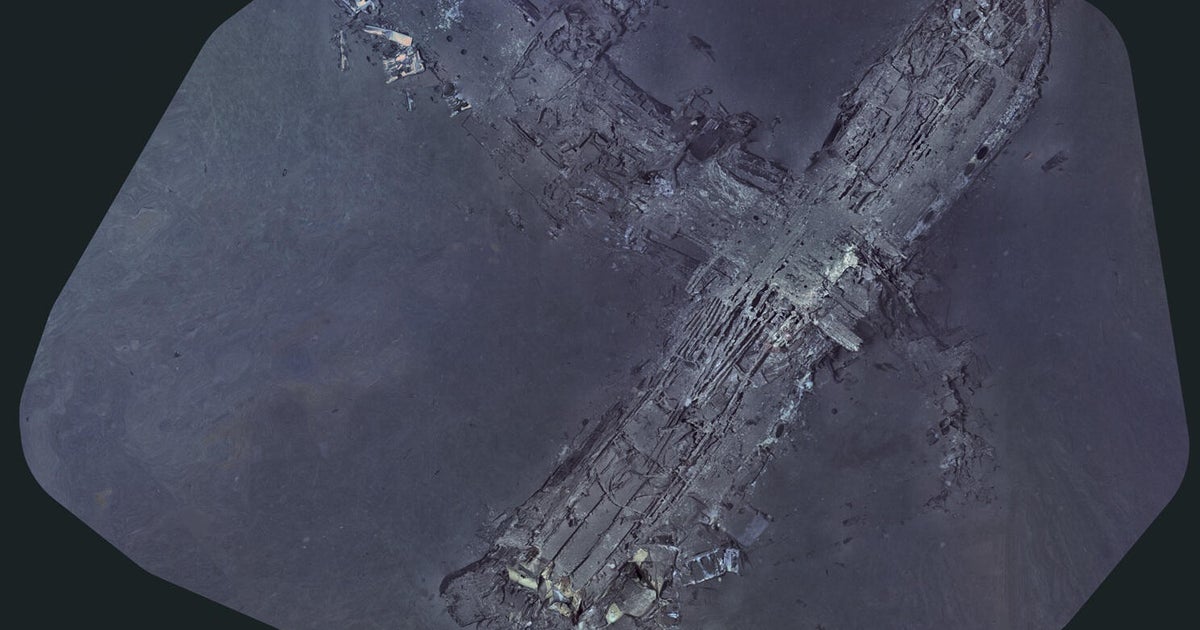
The wreckage of a Pan Am aircraft that went down off Puerto Rico in 1952 has been found in deep water, 74 years after a crash that killed 52 people and became a landmark case in airline safety.
The New York-bound Clipper Endeavor, a DC-4, lost engine power soon after takeoff and made a hard landing in the ocean. According to accounts from the 17 passengers and crew who survived, everyone aboard initially lived through the impact, but panic followed as passengers struggled to locate life vests and the crew had trouble deploying life rafts.
The Pan Am Historical Foundation said the aircraft carried flotation equipment for everyone aboard, but many passengers stayed in their seats rather than leave the cabin. The plane sank within minutes, the foundation said.
A crash that changed the preflight routine
Discovery Channel host Josh Gates said in a social media video announcing the find that the accident helped bring about mandatory passenger safety briefings. Those briefings now include instructions on emergency exits, life vest locations and how to inflate flotation devices.
Aviation safety expert John Cox, a pilot and founder of Safety Operating Systems, described the crash as a catalyst for better flotation equipment and preflight briefings. He said it was one step in the development of modern aviation safety standards.
The search team said the Clipper Endeavor wreckage was located in about 2,000 feet of water, where sonar images identified the fuselage and tail section.
Archive clues pointed searchers to the site
Russ Matthews, president of the Air/Sea Heritage Foundation, began looking into the crash in 2019 after seeing a report about a luggage tag from the flight washing ashore in Florida. He later searched Pan Am Airlines and Coast Guard archives, along with Civil Aeronautics Board reports, for clues to the aircraft’s final location.
The key lead, according to the search account, came from records in Puerto Rico tied to a crash hearing. Those documents included a map drawn from estimates by Air Force pilots who saw the accident while in the area on a training flight.
A previous search in 2024, filmed by Discovery Channel’s “Expedition Unknown,” was disrupted by bad weather. Matthews and volunteers with his foundation hoped to try again before the 75th anniversary of the crash using newer autonomous underwater technology.
Drone found the plane on its first pass
Tony Romeo, chief executive of Deep Sea Vision, said one of his company’s vessels happened to be near Puerto Rico in April while carrying an advanced underwater drone with the sensors needed for the search. Romeo said good weather, the right team and the right ship came together at the same time.
Deep Sea Vision had previously led an unsuccessful six-month search for Amelia Earhart’s plane. Romeo also had a personal link to the Pan Am case: he said his father had been a mechanic and pilot for the airline, and the drone used in the Clipper Endeavor search already carried a Pan Am sticker.
The search team combined archival research with weather data from the day of the crash to create a 10-square-nautical-mile search area. The drone found the wreck on its first pass, though the team only realized it after the vehicle returned and its images were downloaded.
Gates and an “Expedition Unknown” crew were present when the images were reviewed. The search is expected to be featured in a special episode this fall.
The expedition team said it is working with Puerto Rico’s government on expanded protections for the wreck site. It also said it has contacted families affected by the crash, including the two known living survivors.
This story draws on original reporting from CBS News.