Pavel Durov terrorism charges put Telegram founder on Russia wanted list
Russia’s FSB says Telegram founder Pavel Durov is wanted over alleged terrorism assistance as Moscow tightens control of messaging apps.
By Georgia Hale · Staff Writer
3 min read
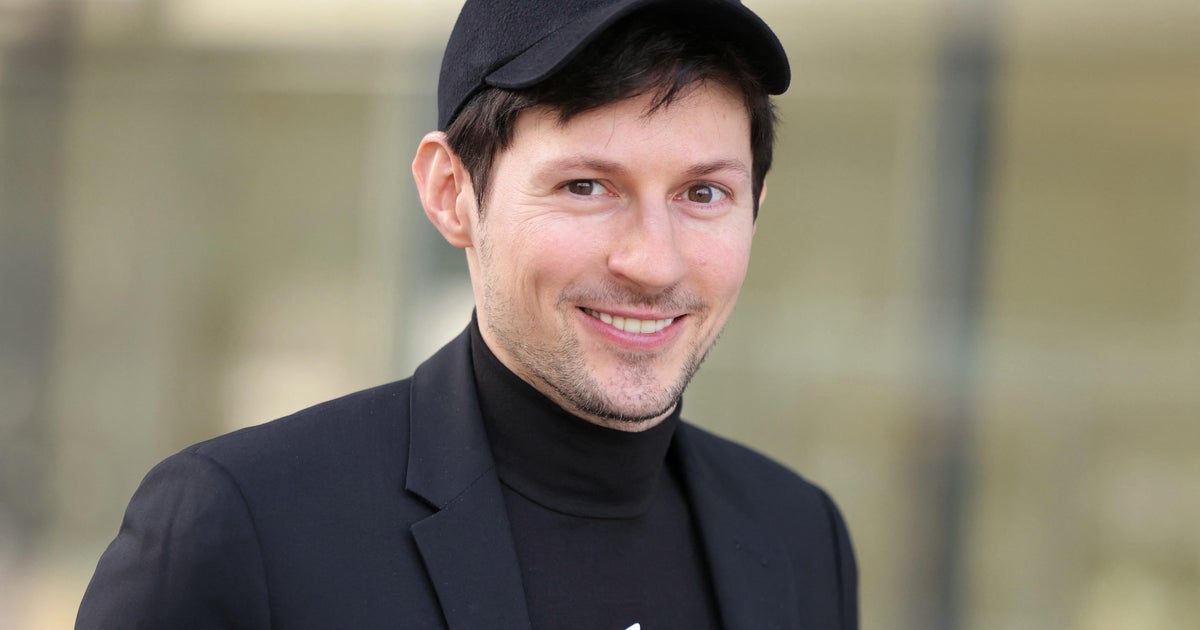
Russia has filed Pavel Durov terrorism charges and placed the Telegram founder on an international wanted list, the country’s Federal Security Service said Wednesday.
The FSB, Russia’s main domestic security agency, accused Telegram’s administration of failing to take down channels, chats and bots it says are used by Ukrainian intelligence agencies and by terrorist and extremist groups. The agency said those spaces were allegedly used to plan sabotage, terrorism, mass killing and cyberfraud inside Russia, causing casualties.
Durov, who was born in Russia and later left the country, owns Telegram, one of Russia’s most widely used messaging apps. If convicted in Russia, he could face up to life in prison, according to the report.
Telegram did not issue a detailed response immediately after the announcement. Its official account on X posted an image of Durov making an obscene middle-finger gesture. Durov himself had not immediately commented.
Why is Russia charging Pavel Durov?
The FSB says Telegram failed to remove accounts and tools allegedly used to coordinate attacks and other crimes in Russia. The agency also accused Ukrainian security services of using a dating chatbot on Telegram to recruit Russians for sabotage and terrorism.
According to the FSB, 46 users of that chatbot, aged 12 to 22, have been detained across Russia since July 2025. The agency said the alleged cases involved attacks on law enforcement officers, arson and other acts.
Durov said earlier this year that Russian authorities had opened a criminal investigation against him. He accused them of creating false grounds to limit access to Telegram as part of what he described as an effort to suppress privacy and free speech.
Telegram’s website says the company is based in Dubai. It also says Durov, who holds French and United Arab Emirates citizenship, lives there.
The case lands amid a long-running Russian push to tighten state control over the internet, a campaign that intensified after Moscow launched its full-scale invasion of Ukraine in February 2022. Russian authorities have passed restrictive laws, blocked platforms that refuse to comply and worked to improve tools for monitoring and controlling online traffic.
Facebook, Instagram and X have been banned in Russia, while YouTube has been slowed down, according to the report. Messaging apps including Signal and Viber have been blocked, and WhatsApp and Telegram have faced restrictions.
WhatsApp said earlier this year that Russia had tried to fully block the service to push users toward a state-owned surveillance app. The company said the move would cut off more than 100 million users from private and secure communication and called it a backward step for safety in Russia.
Russia has also promoted MAX, a national messaging app described by developers and officials as a hub for messages, government services, payments and other tools. Critics say it could be used for surveillance. The platform says it will share user data with authorities on request, and experts cited in the report say it does not use end-to-end encryption.
Durov has clashed with authorities before. VK, the Russian Facebook-style social network he founded before Telegram, later came under the control of companies seen as friendly to the Kremlin. Russia also tried to block Telegram from 2018 to 2020 but failed.
Durov has faced legal pressure outside Russia as well. French authorities arrested him in Paris in 2024 over allegations that Telegram was being used for illegal activity, including drug trafficking and distribution of child sexual abuse images. Durov said in March 2025 that he had returned to Dubai after spending several months in France.
After that arrest, the Kremlin criticized France’s move as selective. President Vladimir Putin said in September 2024 that many countries had concerns about how platforms are used, but said actions against Durov were unclear to him because they singled him out.
This story draws on original reporting from CBS News.