Dermatologists say most shampoos can stay in the pregnancy shower
NBC Select’s expert guide says pregnant shoppers usually need not ditch their shampoo, though some scalp issues may call for specific ingredients.
By Georgia Hale · Staff Writer
3 min read
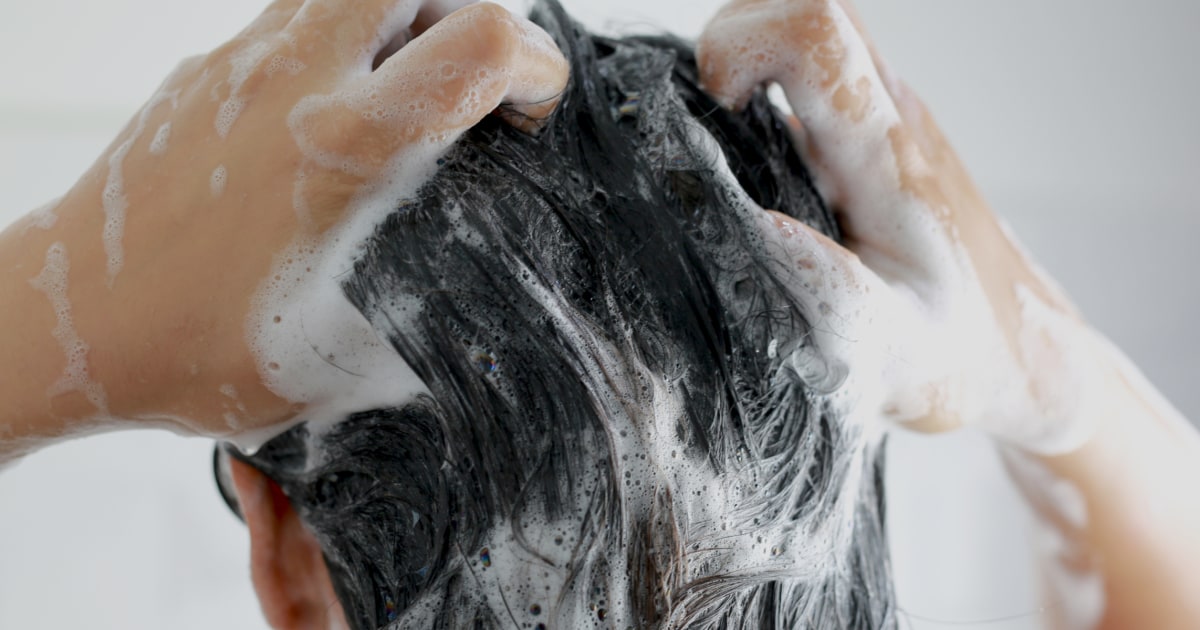
Pregnancy can turn hair care into a guessing game, especially when dandruff, itchiness or a flaky scalp shows up alongside the baby countdown.
NBC Select, which says it independently chooses the products it covers and may earn a commission from purchases through its links, asked dermatologists about shampoos that may suit pregnant shoppers. The big takeaway from the doctors: most over-the-counter shampoos do not need to be tossed just because someone is pregnant.
Dr. Camila K. Janniger, a board-certified dermatologist in Wallington, New Jersey, told NBC Select that hair and scalp issues are common during pregnancy. The report says seborrheic dermatitis, a flaky and dry scalp condition, can appear during this period, and dandruff may start or get worse.
Dr. Deirdre Hooper, a board-certified dermatologist at Audubon Dermatology in New Orleans, told NBC Select that evidence does not support telling pregnant patients to stop using an over-the-counter shampoo they already like. Dr. Heather Rogers, a board-certified dermatologist in Seattle, added that shampoos spend little time on the skin, so the chance of absorbing unwanted chemicals is lower than with leave-on skin care products, according to the report.
The shampoos NBC Select highlighted
NBC Select named Nécessaire The Shampoo as its overall pick. The report says Rogers recommended it, and the formula includes hyaluronic acid, niacinamide, aloe vera leaf juice and panthenol. NBC Select also notes it carries the National Eczema Association Seal of Acceptance, which means it has been reviewed for use by people with eczema.
For dandruff, NBC Select pointed to Biolage Scalp Sync Anti-Dandruff Shampoo. Dr. Marisa Garshick, a board-certified dermatologist at MDCS Dermatology in New York City, told NBC Select that its combination of glycolic acid, zinc pyrithione and fermented tea extract is considered safe during pregnancy for redness, flakes and itching tied to seborrheic dermatitis. The report notes it has fragrance and is free of parabens, according to the brand.
Rogers also recommended baby shampoo as a gentle route, according to NBC Select. The guide included Burt’s Bees Baby Shampoo, saying it is made without sulfates, parabens, fragrance and phthalates, and can also be used as a body wash.
For shoppers trying to avoid scent, NBC Select listed Seen Shampoo, Fragrance-Free. The report says the dermatologist-designed formula is vegan and made without fragrance, sulfates, phthalates, parabens or silicones. It also has the National Eczema Association Seal of Acceptance, and the brand says it is noncomedogenic.
NBC Select also included Community Goods Shampoo Bar for oily hair. Garshick told the outlet the bar is a pregnancy-safe option because it skips harsh chemicals while cleansing hair. The report notes it uses coconut oil-derived surfactants and has essential-oil scents, which may bother some scalps.
For more severe dandruff and itching, the guide included Nizoral Anti-Dandruff Shampoo. NBC Select says it contains ketoconazole, an antifungal ingredient used to address Malassezia yeast buildup that can contribute to dandruff. The report also notes it contains fragrance and sulfates.
Ingredients doctors flagged
Zinc pyrithione is considered fine to use during pregnancy by multiple experts NBC Select interviewed.
Selenium sulfide is also considered safe during pregnancy, Hooper told NBC Select.
Salicylic acid may be acceptable in lower concentrations for seborrheic dermatitis, Janniger said. NBC Select notes the FDA allows up to 2% over the counter.
Ketoconazole is considered okay during pregnancy, and Janniger cited European research that did not show risk to infants of mothers who received it, according to NBC Select.
Coal tar drew more caution. Rogers told NBC Select some consider it safe while others advise avoiding it, and she recommended skipping it.
The guide says shoppers who want to be extra cautious can also scan labels for phthalates, parabens and strongly scented formulas, including some essential oils that may irritate skin during pregnancy.
This story draws on original reporting from NBC News.