Progressive primary wins in 2026 meet a Missouri roadblock
Several progressive-aligned Democrats won key primaries, but Wesley Bell’s 22-point defeat of Cori Bush broke the pattern.
By Deshawn Carter · Sports Writer
2 min read
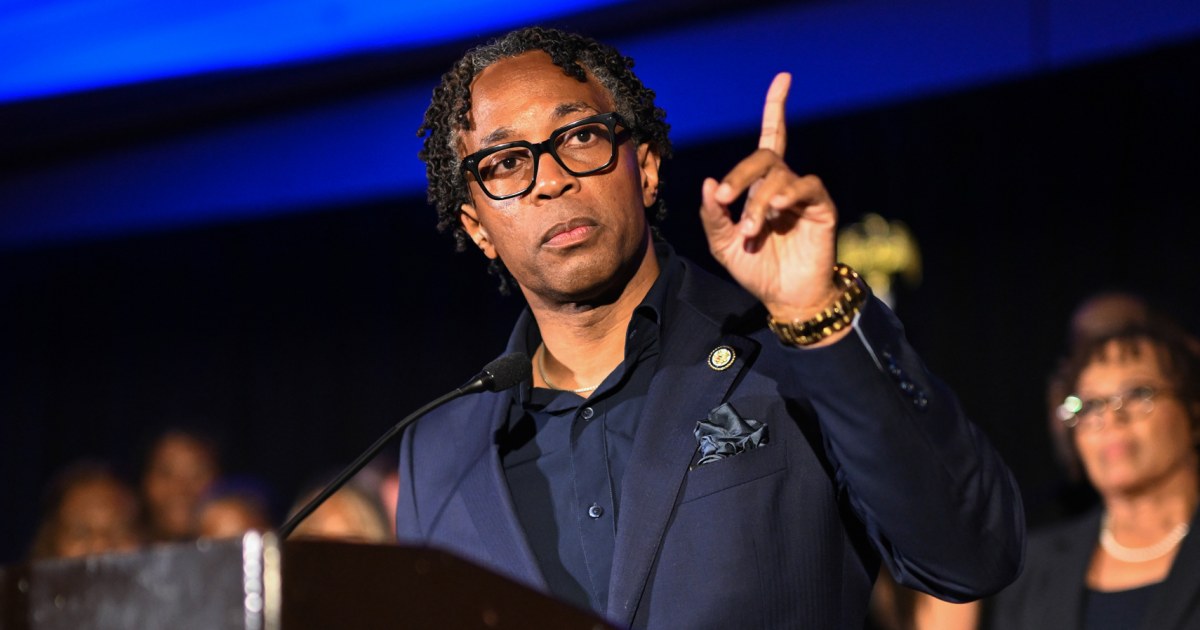
Progressive primary wins in 2026 stacked up across Michigan and Kansas, according to NBC News. Then Missouri delivered the exception: Rep. Wesley Bell defeated former Rep. Cori Bush by 22 points in their Democratic rematch for the state’s 1st Congressional District.
The results offered several victories for candidates NBC News identified with the party’s progressive wing, while showing that the trend did not extend to every race.
Which progressive candidates won Democratic primaries?
- Former public health official Abdul El-Sayed beat Rep. Haley Stevens in Michigan’s Democratic Senate primary, NBC News reported.
- Activist William Lawrence won the Democratic nomination in Michigan’s 7th Congressional District.
- State Rep. Donavan McKinney defeated Rep. Shri Thanedar in Michigan’s 13th District.
- Kansas state Sen. Cindy Holscher beat state Sen. Ethan Corson in the state’s Democratic primary for governor. Corson had the backing of outgoing Gov. Laura Kelly.
Those contests differed in candidates and stakes, but collectively made for a strong night for the Democratic Party’s left flank in NBC News’ account.
Missouri’s 1st District went the other way. Bell and Bush were running for the second time after Bell defeated Bush in the 2024 primary. Bush made ending U.S. funding for Israel a central part of her campaign and argued for a more confrontational effort to push Democratic leaders left, NBC News reported.
Bell pressed a different case. He told NBC News that he was concentrating on work for the St. Louis region, and criticized Bush for repeatedly centering an issue he said was not affecting people locally. Bush, meanwhile, criticized the involvement of outside groups in the contest.
Why did Wesley Bell beat Cori Bush?
NBC News pointed to two factors behind Bell’s win. The outlet reported that many Democratic voters regarded him as focused on delivering local results rather than pursuing national attention.
Money was also sharply tilted toward the incumbent. Bell and allied groups outspent Bush by 27 to 1, according to the ad-tracking firm AdImpact. The United Democracy Project, a super PAC linked to the American Israel Public Affairs Committee, was among those allies and spent $2 million supporting Bell, NBC News reported.
That does not erase the night’s other progressive-aligned victories. It does show the limits of reading a set of primaries as one uniform result: in St. Louis, NBC News reported that Bell’s local message and large spending advantage helped him hold off Bush’s return bid.
This story draws on original reporting from NBC News.