Roger Rogoff fired after judges name him Seattle U.S. attorney
Trump removed Roger Rogoff shortly after Western Washington judges appointed him, escalating a fight over temporary U.S. attorney posts.
By Georgia Hale · Staff Writer
3 min read
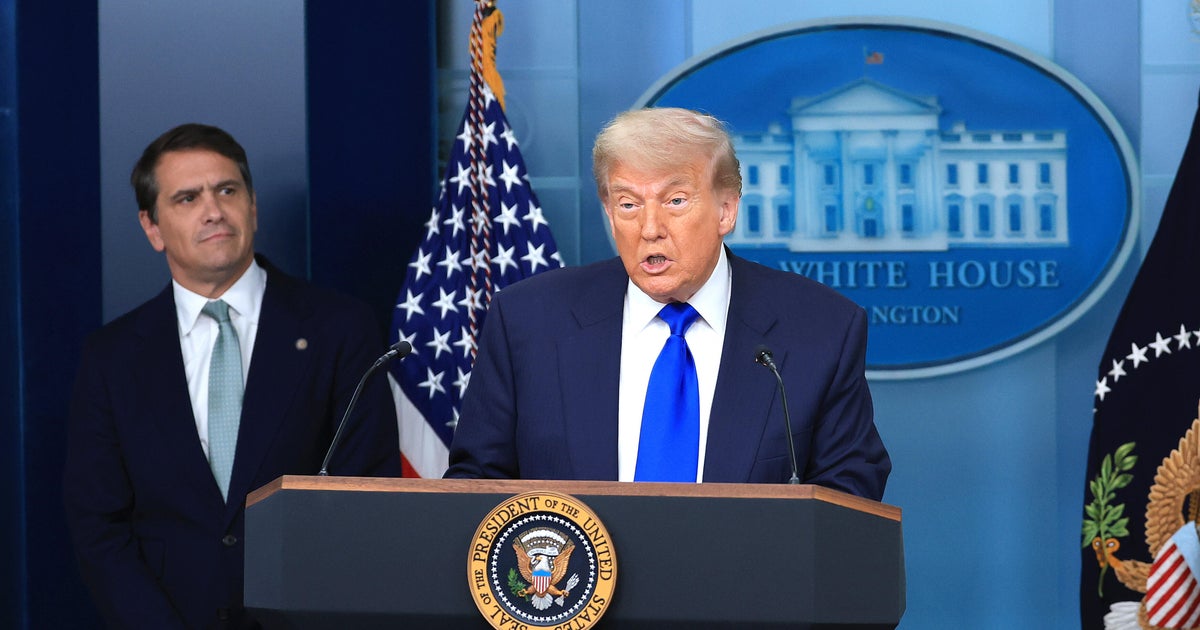
Roger Rogoff was fired by President Trump on Wednesday shortly after federal judges in Western Washington appointed him to run the U.S. Attorney’s Office in Seattle, according to Acting Attorney General Todd Blanche.
Blanche announced the move in a post on X and criticized the U.S. District Court for the Western District of Washington for choosing Rogoff without consulting the administration. He said district judges have power to appoint a temporary U.S. attorney, while the president has power to remove that person.
The judges had issued an order naming Rogoff as U.S. attorney, citing his long record in the region. Their order said he had served as a local and federal prosecutor, a King County Superior Court judge and director of the Washington State Office of Independent Investigation.
Why was Roger Rogoff fired?
Blanche said the judges broke with the usual consultation process with the administration before selecting a temporary U.S. attorney. He framed the firing as a presidential response to a court appointment the administration did not support.
Sen. Patty Murray, a Washington Democrat, sharply criticized Trump’s decision. In a statement, Murray said Rogoff was legally appointed by the Western District judges and called him highly qualified, citing his public service career.
Murray accused the Trump administration of trying to get around the Senate’s advice-and-consent role so it could place political loyalists in U.S. attorney jobs. She said Washington state needs a prosecutor who will apply the law fairly rather than serve the administration’s political interests.
The Western District of Washington has not had a Senate-confirmed U.S. attorney since mid-2023, during the Biden administration. After Trump returned to office in January 2025, he removed Tessa Gorman, who had been serving temporarily before district judges appointed her in May 2024.
Trump has not announced a nominee for the Senate-confirmed Seattle post. The district court said in January that it would use its authority under the federal vacancy law to appoint a U.S. attorney.
The office is now being led by Charles Neil Floyd, the first assistant U.S. attorney, according to the Justice Department. Floyd had been selected as interim U.S. attorney in October, but his 120-day appointment period ended in February.
Can judges appoint a U.S. attorney?
Under federal law, the attorney general may appoint an interim U.S. attorney for 120 days. After that period ends, a district court may extend that prosecutor’s service or appoint its own U.S. attorney until the Senate confirms a nominee.
Federal judges have used that power in several districts, including in Virginia, New Jersey, New York and Nevada. In some of those places, judges declined to keep Trump administration interim picks in place and selected replacements.
The Trump administration has pushed back in multiple districts. In New Jersey, judges did not keep Alina Habba, Trump’s former personal lawyer, in the U.S. attorney role and named another prosecutor. In Albany, New York, judges declined to keep John Sarcone and chose their own U.S. attorney.
After those court actions, Trump fired some of the judges’ selections, and the administration used other legal routes in some cases to keep its preferred picks, including Habba and Sarcone, in place.
Federal judges have ruled that Trump administration acting U.S. attorneys in New York, Nevada, New Jersey and Virginia were unlawfully appointed. At least one federal appeals court has agreed with a lower court that Habba was serving unlawfully as acting U.S. attorney, while other appeals courts are still reviewing similar appointment disputes.
In Virginia, a federal judge dismissed criminal charges against former FBI Director James Comey and New York Attorney General Letitia James after finding that Lindsey Halligan’s appointment as U.S. attorney was invalid. The Justice Department has appealed that ruling.
This story draws on original reporting from CBS News.