Severe convective storms insurance losses now top hurricanes, report says
First Street says hail, wind and tornado losses surpassed cyclones in 2025, putting new pressure on homeowners insurance costs.
By Georgia Hale · Staff Writer
3 min read
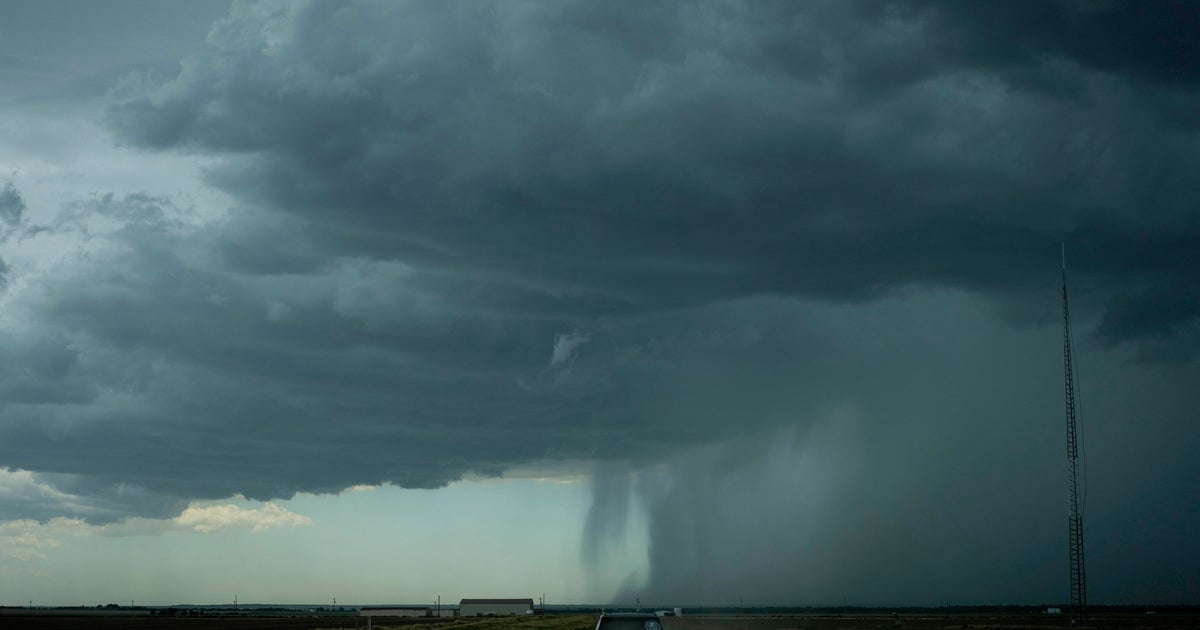
Severe convective storms insurance losses have overtaken cyclone losses worldwide, making hail, tornadoes and damaging winds the priciest insured natural disasters in 2025, according to a new report from climate risk modeling firm First Street.
The firm said the shift puts a fast-moving kind of weather risk at the center of the homeowner insurance squeeze. Jeremy Porter, First Street’s chief economist, told CBS News that these storms have become a top concern for insurers, people who own assets and residential homeowners.
First Street based its findings on data from risk management consulting firm Aon. The firm said global insured losses from severe convective storms totaled $794 billion over the past 25 years, more than the combined losses from floods, earthquakes and droughts.
What are severe convective storms?
Severe convective storms are short, intense weather events that can produce hail, tornadoes and strong straight-line winds. The National Weather Service says convection is the upward movement of heat and moisture in the atmosphere, a process that can form thunderstorms and clouds.
First Street said these storms differ from hurricanes or earthquakes because the costs are spread across repeated outbreaks rather than a small number of headline disasters. Hail and wind can hit roofs, vehicles, power systems and other property across broad populated areas.
Hail is the biggest driver of insurance payouts among these storms, First Street said, with severe winds next. Porter told CBS News that a major hailstorm can damage nearly everything in its path, including homes, cars and infrastructure.
Why the U.S. is carrying so much of the bill
In 2025, severe convective storms made up one-third of global natural disaster economic losses, according to First Street. Total insured and uninsured losses from the storms reached $82 billion, more than any other natural disaster category that year, and $68 billion of that was in the United States.
The U.S. is exposed because it has large amounts of valuable insured property, including homes, commercial buildings and industrial sites. Porter told CBS News that when more insured assets meet more severe convective storms, the loss totals climb quickly.
For homeowners, the catch is direct. These storms are generally covered by standard homeowners insurance, which means many Americans with mortgages have protection against the damage. First Street and Porter warned, however, that more frequent storms tied to a changing climate could show up in higher premiums.
Porter told CBS News that insurance costs are rising faster in some areas than others, especially the Midwest and northern Texas, as severe storm risk spreads. He said private insurers have not yet left those markets, but they have raised prices relatively quickly.
First Street identified Illinois and Ohio as especially exposed because of their urban areas and valuable real estate. Porter described the states to CBS News as part of a severe convective storm belt. He also pointed to North Carolina and Georgia because of property density around Charlotte and Atlanta.
What could happen next?
If current patterns hold, First Street projects severe convective storms will become the world’s third-costliest natural disaster over the next decade when measured by lost economic growth. Those wider losses can come from disruptions such as transit shutdowns, reduced shopping and lower business productivity.
Porter told CBS News that First Street expects continued growth in the frequency, exposure and damage tied to these storms. For homeowners, that means the weather risk most likely to hit the insurance bill may be the thunderstorm that rolls through fast, drops hail and leaves a repair bill behind.
This story draws on original reporting from CBS News.