Ship crews shun Hormuz as attacks batter key oil route
U.S. officials say the Strait of Hormuz is open, but maritime data and industry warnings show international traffic has thinned sharply.
By Sal Moretti · Money Reporter
3 min read
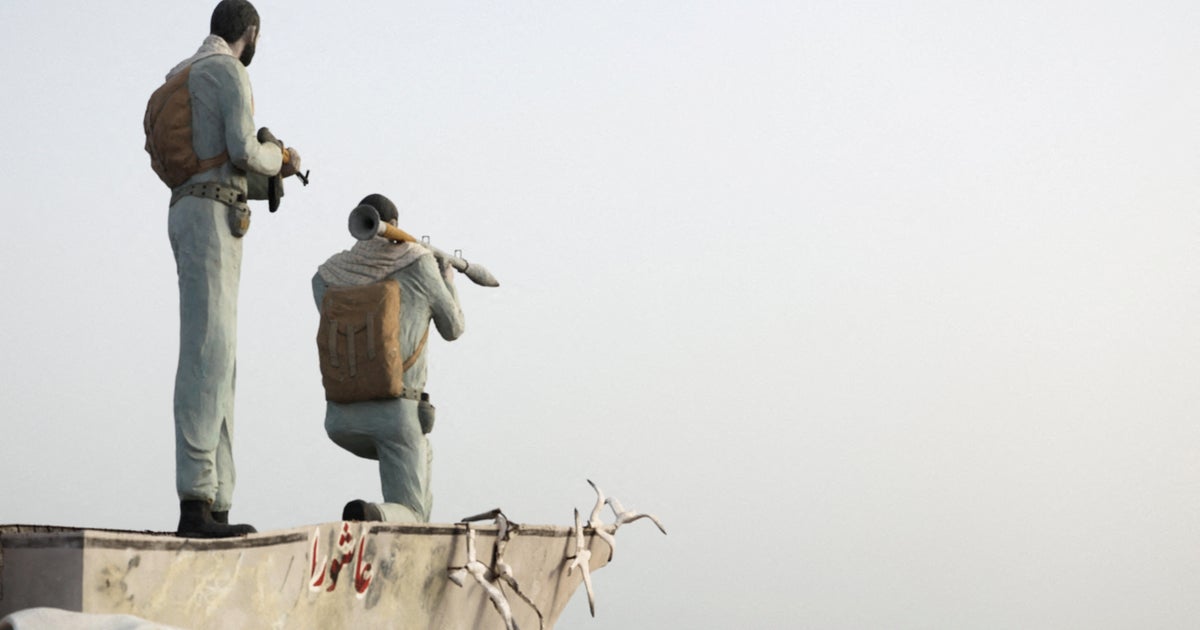
The Strait of Hormuz may be open on paper, but many international ship operators are staying away as attacks on commercial vessels pile up.
U.S. Central Command said Tuesday that the waterway remains available for commercial traffic despite what it called Iranian aggression. In the same statement, CENTCOM said Iran had carried out more than 30 attacks on commercial ships since the war began, putting hundreds of mariners at risk and threatening freedom of navigation.
President Trump has repeatedly said the strait remains open. On Wednesday, he threatened to destroy an Iranian bridge or power plant for each new attack on a ship in the waterway, CBS News reported.
The message from shipowners appears far cooler. The Joint Maritime Information Center in Bahrain, a military-backed partnership that includes the U.S., said commercial traffic in the Strait of Hormuz dropped Tuesday to its lowest level in three weeks. CBS News said it tracked only three commercial ships through the strait that day, two cargo vessels and the Chinese-owned tanker Hsin Ocean.
Lloyd’s List reported that from July 13 to 19, only two ships used the U.S.-backed southern route near Oman. Both had switched off their AIS broadcast systems, a practice known as dark transit, according to the analysis.
Crews balk at the crossing
Dimitris Maniatis, chief executive of Greek maritime risk management firm Marisks, told CBS News that the waterway is not physically blocked. Smaller local vessels are still operating, he said, while large international merchant ships are largely avoiding the route.
Maniatis said U.S. support for ships using the Oman route is limited to air support during convoy-style transits. He told CBS News that this has not been enough to reassure crews because vessels have continued to be hit while crossing the southern corridor.
“There is no guarantee of safe passage,” Maniatis said.
Greek shipping company Dynacom had been among the last major international operators still sending crews through the strait, according to CBS News. Two of its ships were struck off Oman earlier this week, forcing both crews to evacuate, Reuters reported.
Bloomberg reported Tuesday that South Korea’s Sinokor Group was offering mariners six months of extra pay for a return trip through the strait.
Red Sea fears spread
The danger is no longer confined to Hormuz. Houthi rebels in Yemen said this week they would stop Saudi Arabia from using Red Sea ports to send energy products to Asian markets, according to CBS News. That route depends on the Bab el-Mandeb Strait, another narrow shipping choke point.
Before the war, roughly 30% of the world’s oil supplies typically moved through the Strait of Hormuz and Bab el-Mandeb each year, CBS News reported.
At least five commercial ships were seen turning around Tuesday as they neared Bab el-Mandeb after the Houthis announced plans for a blockade on Saudi Arabia, according to CBS News.
Asked about the Houthi threat Tuesday, Trump said there was no Red Sea blockade and added: “If something like that happens, we take care of that.”
Maniatis told CBS News that shipowners, operators and crews do not feel safe enough to keep moving through the region. He said the strain on mariners is severe, affecting both veteran crew members and newer sailors.
At least 17 commercial mariners have been killed in 61 attacks in the Strait of Hormuz since the U.S. and Israel launched their joint war on Iran at the end of February, according to the U.N.’s International Maritime Organization.
This story draws on original reporting from CBS News.