Sick prisoners win early release, then wait behind bars for care beds
KFF Health News reports that medically fragile parolees in Hawaiʻi and beyond remain incarcerated because care facilities often refuse them.
By Deshawn Carter · Sports Writer
4 min read
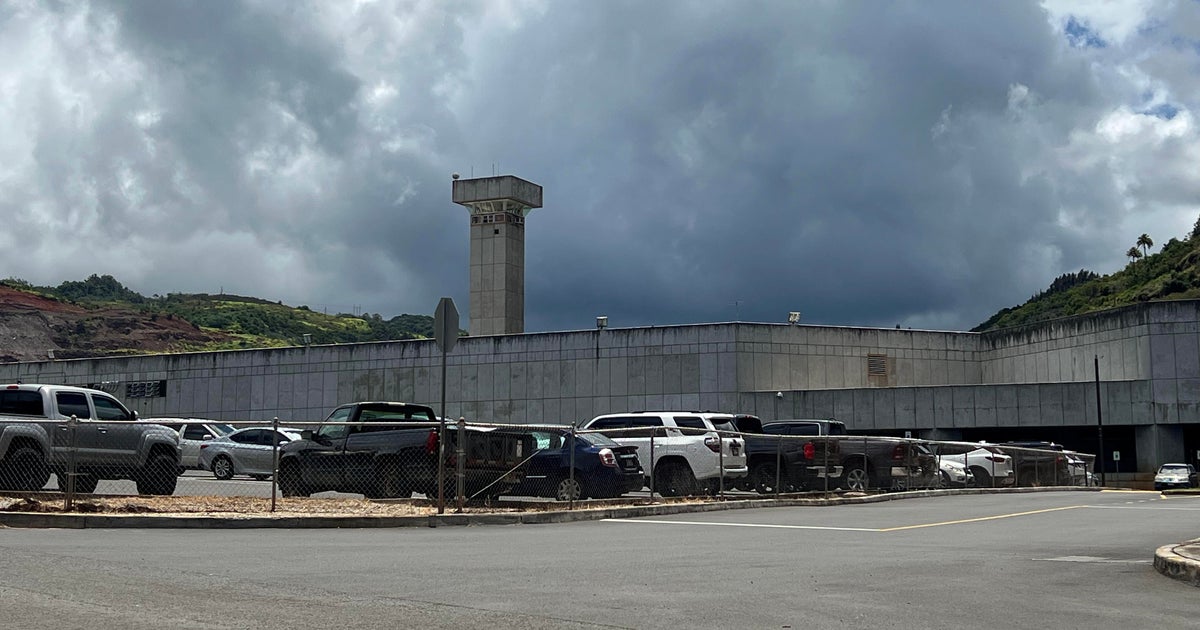
Christian Alameda has already been granted compassionate release in Hawaiʻi, but KFF Health News reports he remains inside Halawa Correctional Facility because no long-term care facility has agreed to take him.
Alameda, 52, has been recovering in the Honolulu prison’s medical infirmary since a January stroke left the right side of his body mostly paralyzed, according to KFF Health News. The Hawaiʻi parole board approved his release in February so he could seek medical care for a severe condition.
He is not alone. The state parole authority said that, as of June, at least three other prisoners approved for medical release were still living in the infirmary after care facilities declined them, mainly because of their criminal histories.
Molly Crane, an attorney for the prison policy group FAMM, told KFF Health News the problem reaches well beyond Hawaiʻi. Every state has some form of compassionate release, FAMM says, though Hawaiʻi relies on internal policy rather than a specific statute.
People who qualify are often terminally ill or unable to care for themselves and may need nursing home, assisted living or hospice care. KFF Health News reports that many facilities across the country refuse to accept them, leaving some people in prison for months or years after approval.
Care homes say beds, staff and safety are major barriers
Research and reporting cited by KFF Health News show similar roadblocks elsewhere. A Rhode Island study found nursing home rejections rose after facilities learned a patient was coming from prison. In Colorado, medically needy prisoners stayed an average of 200 days after parole approval because long-term care centers turned them down. In New York, prisoners approved for parole sued the state after failing to get nursing home placements.
Sean Sanada, the Oʻahu Region CEO for Hawaiʻi Health Systems Corp., told KFF Health News that Leahi Hospital and Maluhia have reviewed dozens of compassionate release referrals but have accepted none.
Sanada said the facilities do not discriminate based on where a resident comes from. He said his concerns are staff safety and whether the facilities have enough resources to care for the patient, adding that in most cases “the risk is just too high.”
Long-term care facilities already face pressure. A 2024 report from the American Health Care Association and the National Center for Assisted Living found that most nursing homes nationwide have waiting lists. KFF Health News also cited a 2024 study of 14 assisted living facilities that found 15% of residents experienced resident-to-resident aggression in one month.
The cost falls back on prisons
Keeping medically fragile people incarcerated can be expensive. FAMM said the yearly cost to imprison someone with complex needs in Hawaiʻi can reach up to eight times the state’s $112,505 average cost for one prisoner. By comparison, the average Medicaid reimbursement for long-term care patients at a Hawaiʻi Health Systems Corp. facility is about $135,000 a year.
Medicaid adds another snag. Prisoners do not qualify while incarcerated, so parolees often must apply after release. KFF Health News reports that President Donald Trump’s One Big Beautiful Bill Act reduced the retroactive reimbursement window for new Medicaid patients from three months to as little as 30 days before an application, creating payment risk for facilities.
Timothy Foster, a spokesperson for the Centers for Medicare & Medicaid Services, said CMS “encourages providers and beneficiaries to prioritize timely application submission to maximize coverage.”
Four states, Connecticut, Georgia, Massachusetts and Vermont, contract with nursing facilities to accept people granted compassionate release, according to FAMM. MissionCare Health, part of the iCare Health Network, has contracts in three of those states, and executive David Skoczulek estimated its rates run $100 to $350 per patient per day above average nursing home rates in the states where it operates.
Families often become the only exit
Corey Reincke, head of the Hawaiʻi Paroling Authority, told KFF Health News he could not recall, in 24 years, a prisoner being placed in long-term care without family help. He said he once called more than 100 care homes for one parolee, and all refused over safety concerns.
Family support came too late for 69-year-old Paul Kupihea, who died in a hospital five days after Hawaiʻi granted compassionate release to his family, KFF Health News reported. Lahela Kruse, the mother of his child, said their daughter agreed to take him in after learning he had incurable cancer, but Kruse said the family was notified too late about how sick he was.
Crane said Hawaiʻi’s lack of a formal compassionate release law leaves people vulnerable to dangerous delays. State lawmakers have tried for years to pass such bills, KFF Health News reported, but none has succeeded.
Alameda, incarcerated since 2024 for drug possession, driving a stolen vehicle and jumping bail, told KFF Health News he hopes to see his 5-year-old daughter soon. Bob Merce, a former attorney who advocates for compassionate release, said he is still trying to find Alameda a placement.
This story draws on original reporting from CBS News.