Trump anti-weaponization fund architects must be identified, judge orders
A Virginia magistrate judge ordered disclosure of who designed the $1.776 billion fund, though no names have yet been made public.
By Frankie Delgado · News Reporter
3 min read
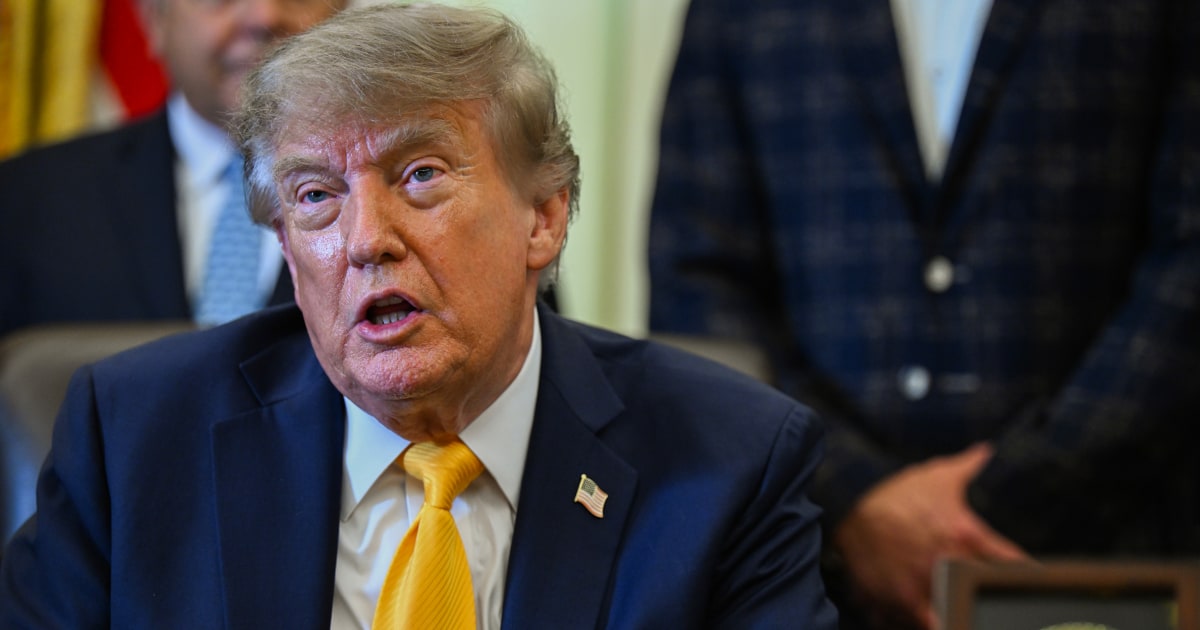
The people behind the Trump anti-weaponization fund must be identified to plaintiffs in a Virginia court fight, but their names have not yet been publicly disclosed. U.S. Magistrate Judge Ivan D. Davis granted part of a request to compel discovery from the federal government, NBC News reported Sept. 4, citing a person who was in the courtroom.
The order covers the people who designed the structure of the $1.776 billion fund, commonly rounded to $1.8 billion, according to NBC News. The available reporting does not set out a deadline for the disclosure or name any of the people expected to be identified.
Who designed the Trump anti-weaponization fund?
That remains unknown publicly. Davis' order requires the administration to provide the names as part of discovery in the case, NBC News reported, but the court material described in the report does not list the fund's architects.
The discovery ruling is separate from an earlier decision by U.S. District Judge Leonie Brinkema, also in Virginia. In June, Brinkema kept the fund's creation and operation blocked after the administration said it was abandoning the plan, according to an Associated Press report carried by ABC7.
Brinkema said the government's argument that the dispute was moot did not persuade her. The block remained in place pending further action by the court.
What was the $1.776 billion fund meant to do?
The Justice Department announced the Anti-Weaponization Fund on May 18 as part of a settlement in President Donald J. Trump v. Internal Revenue Service. DOJ said the fund would create a process for people alleging they had been targeted by government action to seek formal apologies or monetary relief.
Under DOJ's announced plan, the money would come from the federal Judgment Fund, which the department described as a standing appropriation for settling and paying cases. A five-member body appointed by the attorney general was to administer it, with one member selected in consultation with congressional leadership.
DOJ said claim submissions would be voluntary, the attorney general could order audits, and unspent money would return to the federal government when operations ended. The department said the fund would stop processing claims by Dec. 1, 2028.
The settlement resolved Trump's lawsuit over the leak of his tax returns. DOJ said Trump, Donald Trump Jr., Eric Trump and the Trump Organization would receive formal apologies but no monetary payment or damages, and would dismiss the case and two administrative claims in exchange for the fund's creation.
A fund announced, then halted
Before the administration said it was dropping the plan, DOJ had not formed the proposed five-member commission, accepted claims or made any payments, the Associated Press reported in June.
Acting Attorney General Todd Blanche has since called the fund “dead,” NBC News reported. Yet as of the June reporting, Trump had continued to express support for it and had not publicly endorsed its cancellation unequivocally, according to the Associated Press.
The new discovery order does not revive the fund or decide whether it was lawful. It concerns who devised its structure while the related Virginia litigation continues.
This story draws on original reporting from NBC News.