Trump Canada import bans target alcohol, dairy and motorcycles
Trump’s new Canada measures would block alcohol, some dairy and large motorcycles on Sept. 29, while higher auto tariffs remain a separate threat.
By Frankie Delgado · News Reporter
3 min read
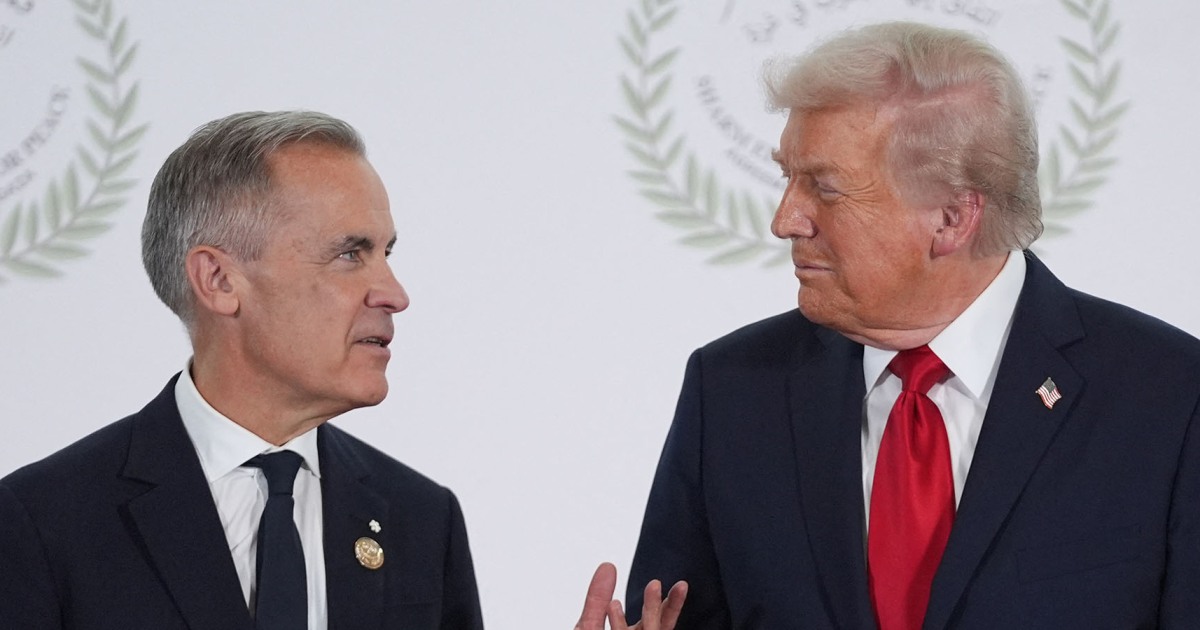
President Donald Trump’s new Trump Canada import bans would shut out Canadian alcohol, some dairy products and large motorcycles from the U.S. market beginning Sept. 29, according to NBC News and Axios. The move came hours after Canada’s latest retaliatory tariffs took effect on Sept. 8.
Cars are not included in the announced import bans. Trump has separately threatened to raise tariffs on Canadian cars and auto parts to 50% on Jan. 1, 2027, ABC7 and CNN reported. A tariff is a tax paid by companies bringing foreign goods into the country; an import ban blocks those products from being brought in at all.
Which Canadian goods are subject to the new import bans?
The products named in the Sept. 8 action are Canadian alcohol, certain dairy goods and large motorcycles, Axios reported. NBC News also identified motorcycles among the products to be barred.
The administration used Section 338 of the Tariff Act of 1930. Axios described that provision as allowing a president to bar imports from countries that maintain or increase discrimination against U.S. commerce.
Senior administration officials told reporters the action was a direct response to Canada’s new retaliatory duties, NBC News reported. Those Canadian tariffs took effect at 12:01 a.m. Sept. 8, following the collapse of U.S.-Canada trade talks last month.
A fresh tariff list arrives before the bans
The White House is also adding dozens of Canadian products to existing 50% U.S. tariff coverage starting Sept. 15, Axios reported. The additions include some steel and aluminum products, furniture and paper goods.
At the same time, the administration removed cement, road salt and certain hospital paper products from that tariff list. Axios reported officials made changes after receiving business feedback and finding particular U.S. supply-chain reliance on some Canadian imports.
NBC News reported a related set of changes differently, saying a senior official described the removal of tariffs on cement, road salt and hospital pads and their replacement with duties on all-terrain vehicles, some cheeses and motorboats.
How did the trade dispute reach this point?
The U.S. had already imposed 50% tariffs on about $20 billion of Canadian goods, according to Axios. Canada responded with tariffs of up to 50% on a similar amount of U.S. goods, which took effect Sept. 8.
Administration officials have alleged Canada discriminated against American cars, dairy and alcohol. The alcohol dispute has been particularly visible: Canadian provinces pulled many U.S. alcoholic drinks from government-run liquor-store shelves during the trade fight, Axios reported.
Canada and the United States have offered competing accounts of why their negotiations failed. Prime Minister Mark Carney said U.S. demands were unfair and uneconomic, according to NBC News, while Trump officials disputed that account.
Trump has also threatened restrictions on Canadian aircraft maker Bombardier, but Axios reported that proposal was not included in the Sept. 8 proclamations and remains under consideration.
This story draws on original reporting from NBC News.