Trump forced labor tariffs hit goods from 60 trading partners Friday
The USTR said new levies of up to 12.5% target countries accused of weak forced labor enforcement, with exemptions for some key imports.
By Georgia Hale · Staff Writer
3 min read
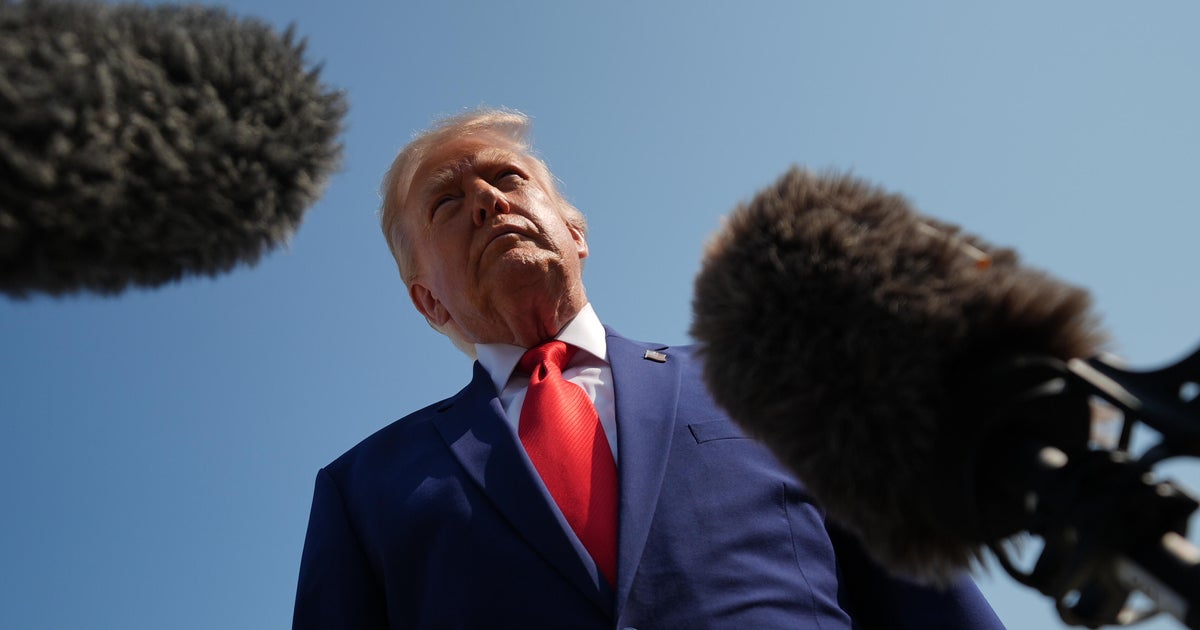
The Trump administration is putting new Trump forced labor tariffs on goods from 60 U.S. trading partners beginning Friday, the Office of the U.S. Trade Representative announced Thursday.
The duties will reach as high as 12.5% and are aimed at countries the administration says have not done enough to act against forced labor, according to the USTR announcement.
Most of the affected trading partners will face a 12.5% tariff. Vietnam and China are among those in that group, according to the administration.
A smaller 10% tariff will apply to 17 countries that the administration says have some forced labor prohibitions in place. The United Kingdom, Canada and Mexico are among those listed for the lower rate.
Five other trading partners, including the European Union, will face an added levy designed to bring their total most-favored-nation tariff rate to either 10% or 12.5%, according to the announcement.
What are Trump forced labor tariffs?
The new tariffs are import taxes tied to forced labor enforcement. The administration says they target trading partners accused of failing to match U.S. restrictions on forced labor in supply chains.
A senior administration official told reporters the move is “the most sweeping international labor rights action the United States has ever taken, that any country has ever taken.”
The official said the administration views forced labor as both a human rights issue and a trade issue. According to that official, countries that do not enforce forced labor bans gain an “unfair advantage” over the United States, where such bans are enforced.
Another administration official said Thursday that the policy pairs enforcement with incentives intended to push trading partners to adopt and enforce import restrictions similar to those used by the United States.
What goods are exempt from the tariffs?
The USTR said several categories of imports will not be covered by the new levies. Those exemptions include oil and gas, as well as products not made in the United States.
Goods that could cause economic disruption are also exempt, according to the administration. The same goes for items where a tariff would not help eliminate what the administration calls unfair trade practices.
Some products already covered by sector-specific tariffs, including steel, are excluded as well.
The announcement also says many goods that comply with the U.S.-Mexico-Canada Agreement will be exempt. That trade agreement was signed during Trump’s first administration.
When do the new tariffs start?
The tariffs are set to begin at 12:01 a.m. Friday.
That timing lines up with the scheduled expiration of a separate set of 10% levies on most imports, according to the administration.
The new action broadens the administration’s tariff policy across much of global trade while tying the latest duties to forced labor enforcement, according to the USTR and administration officials.
This story draws on original reporting from CBS News.