Trump homeless policy pushes states toward civil commitment
Federal agencies are favoring states that expand involuntary treatment as HUD funding changes face lawsuits from 21 states.
By Georgia Hale · Staff Writer
4 min read
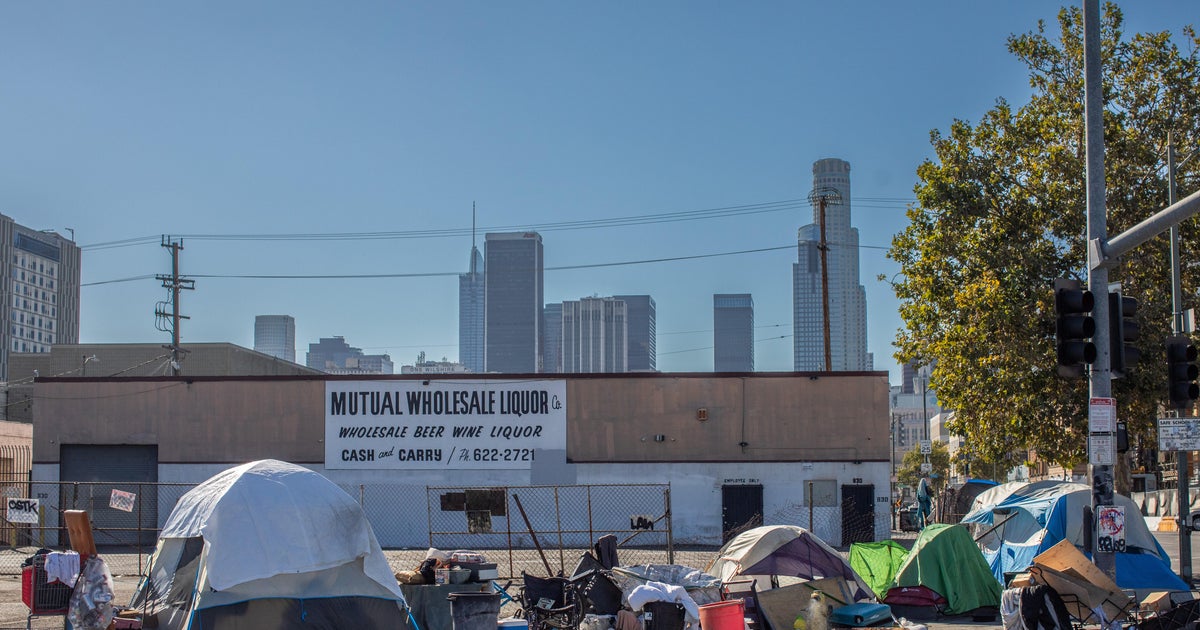
The Trump homeless policy signed a year ago is giving states new federal backing to expand court-ordered treatment for homeless people with mental illness or substance use problems, CBS News reported.
President Trump’s executive order says earlier homelessness policies failed to address “root causes” and created public safety risks. It directs federal agencies to favor states and cities that use involuntary psychiatric treatment, restrict public camping and squatting, and crack down on open illicit drug use.
What is civil commitment for homeless people?
Civil commitment is a court process that can place someone in psychiatric treatment without their consent. Trump’s order calls for “maximally flexible civil commitment” for people with mental illness who are considered dangerous or who are living on the street and unable to care for themselves.
The order says public order would be restored by placing some homeless people in “long-term institutional settings for humane treatment.” It also asks the Justice Department to reverse consent decrees that could block those commitments.
The Office of National Drug Control Policy says about 30% of people experiencing chronic homelessness have a serious mental illness. It also says two-thirds have a substance use disorder or another chronic health condition.
States move on encampments and courts
Several Republican-led states have passed laws that either penalize encampments or make involuntary institutionalization easier, according to CBS News.
- Utah approved more than $43 million in spending this year, partly aimed at “high utilizers,” people who repeatedly move through shelters and jail. A new law lets those individuals be placed under the supervision of the state’s Division of Adult Probation and Parole.
- Indiana and Louisiana passed laws making it a crime to sleep overnight or camp on public property.
- Louisiana’s “Streets to Success Act” allows fines of up to $500 for first-time violators and offers eligible people a Homelessness Court Program as an alternative to up to six months in jail.
Louisiana’s program would supervise participants for a year while offering substance abuse treatment, mental health services, job training and housing help. Under the law, participants “may be confined in a treatment facility” or released on probation, and successful participants could have their convictions erased.
The National Homelessness Law Center called Louisiana’s measure “one of the cruelest, most extreme anti-homeless bills.” Gov. Jeff Landry defended the courts, saying they would help “start removing the homeless off of our streets and into the places that they belong.”
Shaina Bessonet, a Louisiana dental hygienist who told lawmakers she experienced homelessness from January 2022 to March 2026, opposed the bill. “Just because someone is homeless, because they don’t have a place to sleep, doesn’t give anybody the right to take them and punish them just for not having a place to go,” she told CBS News.
HUD funding fight lands in court
The administration says Trump’s order has led to $700 million in Health and Human Services funding for people dealing with addiction, mental illness and homelessness, with limits on using the money for Housing First or harm reduction policies.
Housing First means offering housing without requiring sobriety, treatment compliance or other conditions first. HUD and other federal agencies have used the approach since 2013, after it was adopted as a national federal strategy under President George W. Bush in 2004.
HUD’s 2026 budget cuts permanent supportive housing from about $3 billion to $2.4 billion compared with 2024, while moving $1.3 billion to new transitional and temporary housing programs. A lawsuit cites the National Alliance to End Homelessness as saying the shift could remove 97,000 people from permanent supportive housing.
Attorneys general from 21 states and the National Alliance to End Homelessness sued HUD in July over the funding plan. A separate legal challenge to HUD’s 2025 funding plan succeeded in April.
HUD Secretary Scott Turner called the 97,000 figure “fear-mongering” and said “No one is being kicked out on the streets.” He said the plan would provide “more funding than ever before” and more flexibility for local groups.
Ann Oliva, CEO of the National Alliance to End Homelessness, defended Housing First and said the administration’s criticism ignores rising housing costs. Jennifer Mathis of the Bazelon Center for Mental Health said civil commitment can cost more than long-term housing and should be used only as “a last resort.”
This story draws on original reporting from CBS News.