Trump mail-in ballot order fight reaches Supreme Court
The Trump administration asked the Supreme Court to revive parts of an election order blocked in a 23-state lawsuit before November voting.
By Deshawn Carter · Sports Writer
3 min read
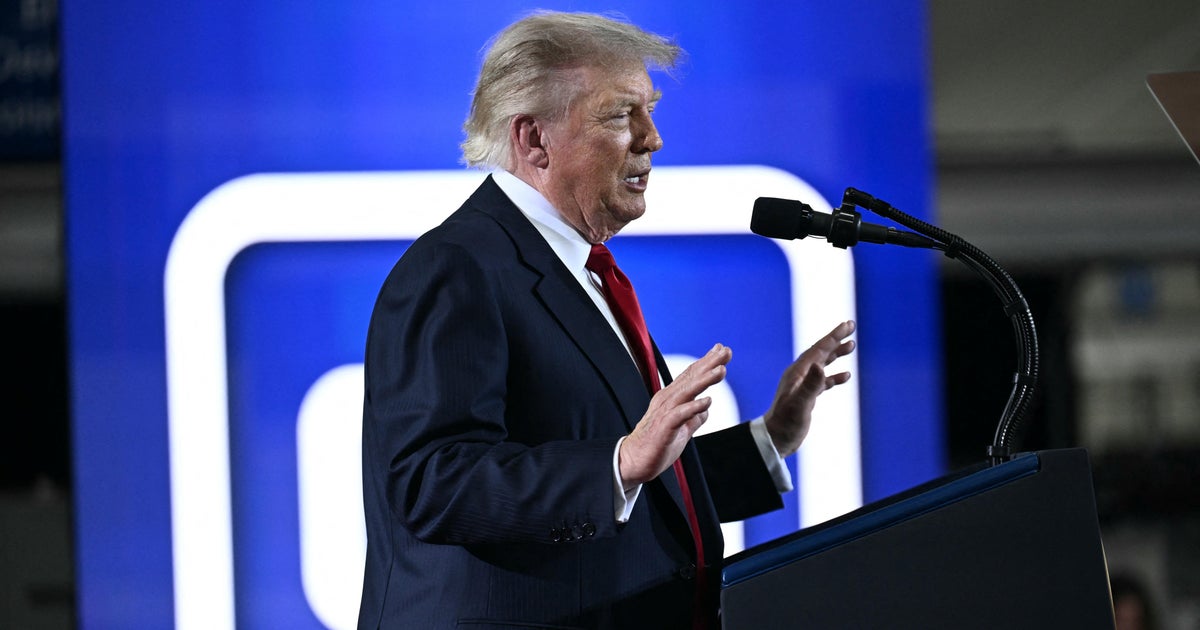
The Trump mail-in ballot order is now in front of the Supreme Court after the administration asked the justices Monday for emergency action in a fight over new voting rules blocked in 23 states and the District of Columbia.
The request came one day after the U.S. Court of Appeals for the 1st Circuit left in place a lower-court ruling that stopped key parts of President Trump's March executive order from taking effect before the November midterm elections.
The order seeks to place new limits on mail ballots and directs the Department of Homeland Security to create lists of eligible voters. The states suing the administration argue the directive is unlawful.
What is Trump asking the Supreme Court to do?
The administration is asking the Supreme Court for emergency relief that would allow federal agencies to move ahead with planning and implementing the disputed parts of the executive order while the legal fight continues.
Solicitor General D. John Sauer told the justices that U.S. District Judge Indira Talwani's injunction is too broad because it stops federal officials from carrying out what he described as policy guidance from the president.
In the filing, Sauer argued that the order tells executive-branch officials to take “appropriate and lawful action” to carry out the president's election-policy goals. He said blocking agencies from implementing it for the November 2026 federal election intrudes on the executive branch.
Sauer also called the injunction premature. According to his filing, agencies are still developing plans, and the states are challenging actions that have not yet happened.
What does the executive order say?
Trump signed the order in March. It directs the Homeland Security secretary to prepare and send each state a “state citizenship list” of U.S. citizens eligible to vote.
The order also tells the U.S. Postal Service to develop new mail-ballot rules. Those rules would include requiring ballots to be marked in a specific envelope and allowing mail ballots to be sent to voters listed on their state's voter list.
Mail ballots are votes cast by mail rather than in person at a polling place. Rules for requesting, sending and counting them are central to the lawsuit because the states say the president's order would unlawfully alter election administration.
How did the case get here?
Days after Trump issued the directive, 23 states and the District of Columbia sued to stop it. In June, Judge Talwani, who sits on the federal court in Massachusetts, sided with the states and blocked the administration from implementing provisions tied to mail ballots and the citizenship lists for the Nov. 3 federal elections in the states that sued.
The 1st Circuit then declined to let the administration proceed while the appeal plays out, leaving Talwani's order in place.
Sauer told the Supreme Court that the government could face election-integrity harms if its policy is not in force for the November election, and said those harms could not be undone even if the administration later wins the case.
The Supreme Court has not yet ruled on the administration's emergency request.
This story draws on original reporting from CBS News.