Trump mail-in voting order remains blocked in 23-state court fight
A federal appeals court kept Trump’s voter-list order on hold after states said it would upend mail ballot rules before November.
By Deshawn Carter · Sports Writer
2 min read
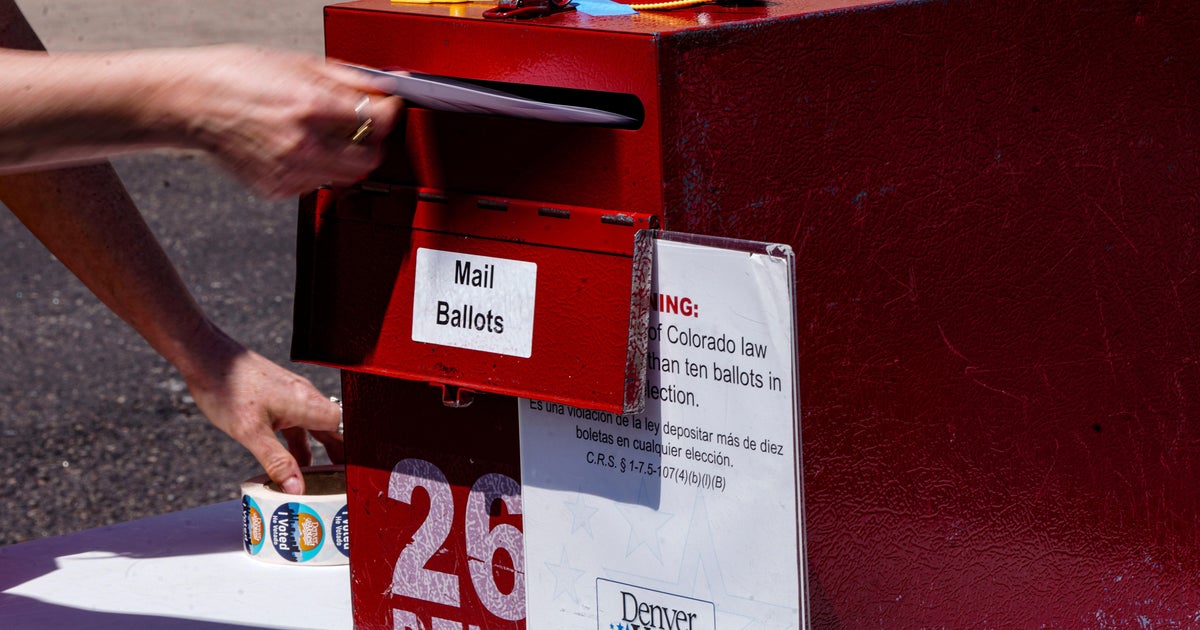
A federal appeals court on Saturday kept the Trump mail-in voting order on ice in a fight brought by Democratic officials from 23 states and the District of Columbia, according to CBS News.
Judges on the 1st U.S. Circuit Court of Appeals rejected the Trump administration’s bid to enforce an executive order that would create a federal list of eligible voters and restrict delivery of mail ballots to people appearing on that list, CBS News reported.
The decision leaves in place a June injunction from U.S. District Court Judge Indira Talwani in Boston, who blocked the order from being used for the Nov. 3 elections in the states that sued. Talwani was nominated to the federal bench by former President Barack Obama, according to CBS News.
What did Trump’s mail-in voting order do?
Trump signed the order in March. It directed the head of U.S. Citizenship and Immigration Services and the commissioner of the Social Security Administration to create what the order called a “state citizenship list” of eligible voters, CBS News reported.
The order also told the U.S. Postal Service to deliver mail ballots only to people whose names appeared on that list. That would have tied ballot delivery to a new federal voter eligibility system, a sharp change from the way states typically run elections.
Trump presented the move as a way to stop noncitizens from voting. Before signing it in the Oval Office, he said, “The cheating on mail-in voting is legendary,” according to CBS News.
State election officials pushed back, arguing the plan could be misused and could disrupt election administration. The lawsuit said the president had overstepped because election rules are set by states and Congress, not by the White House, CBS News reported.
Why did the states sue over the order?
Democratic officials in 23 states and Washington, D.C., filed their challenge in U.S. District Court in Boston. Their core argument was constitutional: the executive order gave the president power over election procedures that the Constitution assigns elsewhere, CBS News reported.
Talwani agreed with the challengers and stopped the administration from putting the order into effect for the November elections, but only in the states involved in the case.
The appeals court’s ruling means the Trump administration cannot move ahead with the challenged mail ballot restrictions in those states while the injunction remains in force.
CBS News reported that the White House and the Justice Department did not immediately respond to an email seeking comment on Sunday.
This story draws on original reporting from CBS News.