UCLA cellphone study links kids’ phones to lower reading scores
UCLA research found children with personal cellphones scored lower on reading comprehension tests, CBS News reported.
By Frankie Delgado · News Reporter
2 min read
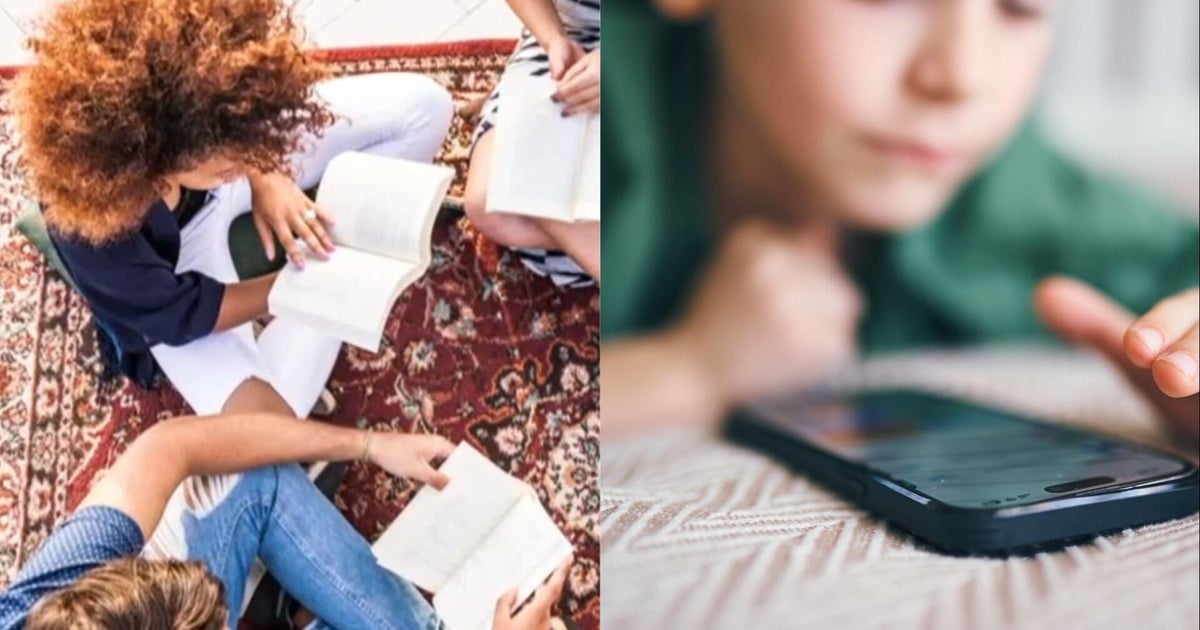
A UCLA cellphone study is focusing on a familiar family question: what happens when children have phones of their own? CBS News reported that children who owned personal cellphones scored lower on reading comprehension tests, including children who did not take phones to school.
The research was identified by CBS News as a new study from the University of California, Los Angeles. Study author Dr. Patricia Greenfield appeared on CBS News to discuss takeaways for parents and educators, the network said.
What did the UCLA cellphone study find?
The central finding, as described by CBS News, is direct: children with personal cellphones had weaker results on reading comprehension testing than children without those phones. The reported difference was tied to ownership, because CBS News said the lower scores showed up even when children did not bring the device onto campus.
That campus detail gives the study a sharper edge for school officials. A child who leaves a phone at home may still fall into the group with lower reading scores, according to the way CBS News described the UCLA finding.
CBS News did not report the study’s sample size, grade levels or the size of the score gap in its summary. The network also did not describe a specific mechanism for why phone ownership and reading comprehension scores were linked.
What is reading comprehension?
Reading comprehension is the ability to understand meaning from written material and answer questions about it. Tests in that area look beyond word recognition to whether a student can follow and interpret what they read.
The UCLA finding lands in a continuing debate for families and schools over children and personal phones. CBS News framed the research as relevant to both parents and educators, with Greenfield joining the network to discuss the main takeaways.
The key point for families is the one CBS News highlighted: the lower reading comprehension scores were associated with children owning phones, even apart from whether the phones entered the school building. That makes the study less about a phone buzzing in a backpack and more about what personal phone ownership may mean in a child’s daily life.
The CBS News segment, titled “Study on reading skills, kid cellphone use,” featured Greenfield discussing the UCLA research. The network said the study found children who owned personal cellphones scored lower on reading comprehension tests.
This story draws on original reporting from CBS News.