U.S. missile stockpiles in Iran fight worry Trump officials
CBS News reports rapid use of interceptors and precision weapons in the Iran campaign is straining U.S. inventories and Pacific planning.
By Georgia Hale · Staff Writer
3 min read
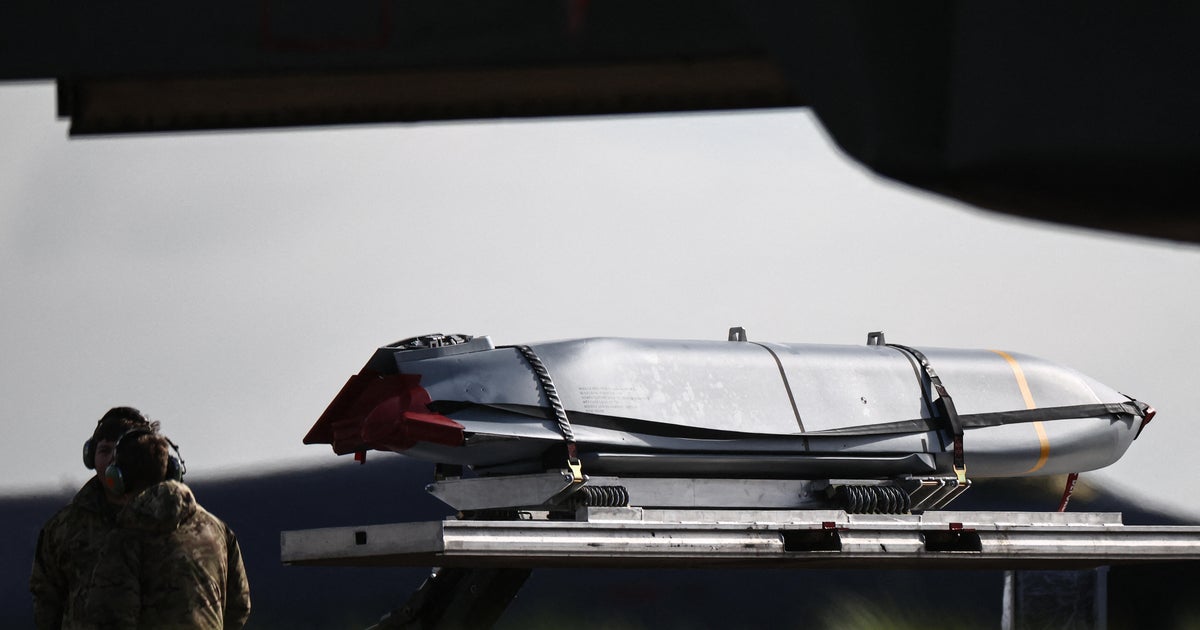
U.S. missile stockpiles in Iran operations have become a major concern inside the Trump administration, CBS News reported, citing U.S. military and intelligence officials familiar with internal assessments.
The officials told CBS News the United States cannot keep up the pace at which it used precision munitions early in the campaign against Iran. They said the defense industry is not producing replacement missiles quickly enough to offset weapons fired or sent to U.S. Central Command, which is overseeing the conflict.
CBS News reported that the strain is landing at the worst possible moment for planners who must balance the Middle East fight against U.S. preparations for a possible conflict in the Indo-Pacific, including deterrence of China.
Why are U.S. missile stockpiles under pressure?
According to CBS News, air-defense interceptors are the sharpest concern. Interceptors are missiles used to knock down threats such as ballistic and cruise missiles, aircraft and armed drones before they hit their targets.
U.S. forces have used large numbers of Patriot and Terminal High Altitude Area Defense, or THAAD, interceptors to defend against Iranian ballistic missiles and drones, several sources told CBS News. The report said those inventories are being consumed faster than industry can replace them.
CBS News reported that the Pentagon has moved interceptor stocks from other regions to support Middle East operations, including supplies that had been set aside for the Indo-Pacific. Officials told the outlet those transfers have left other combatant commands with slimmer margins than military planners prefer.
One partner country told CBS News there is a need for a pause in fighting because of the intensity of Iranian strikes hitting Kuwait and Bahrain. Kuwait said earlier this week that Iran struck its infrastructure, damaging electricity and desalination plants, according to CBS News.
Defense Secretary Pete Hegseth rejected the idea of a stockpile crisis in a June interview on “Face the Nation with Margaret Brennan.” Hegseth acknowledged some munitions take longer to produce than others, but said, “We’ve got lots of them, we’re building more than ever before.” He also said U.S. stockpiles are strong and would grow stronger.
CBS News reported that U.S. commanders have increasingly relied on GPS-guided bombs using Joint Direct Attack Munition, or JDAM, kits, along with Small Diameter Bombs. The outlet said those weapons can hit fixed targets at shorter ranges and can substitute in some cases for longer-range standoff weapons.
Earlier in the conflict, U.S. forces often used longer-range cruise missiles including the Joint Air-to-Surface Standoff Missile, known as JASSM, and the Tomahawk Land Attack Missile, officials told CBS News. Those weapons remain available, the officials said, but are now being used more selectively.
Adm. Samuel Paparo, head of U.S. Indo-Pacific Command, told lawmakers in April that ramping up production of high-end weapons such as Tomahawks and JASSMs could take one to two years. “It won’t be soon enough,” Paparo said, according to CBS News.
CBS News also reported that U.S. officials see limited inventories of Army Tactical Missile System missiles, known as ATACMS, which are fired from HIMARS launchers. The officials said supplies of shorter-range Guided Multiple Launch Rocket System rockets, also fired from HIMARS, are comparatively healthier.
Asked for comment, Pentagon spokesman Sean Parnell told CBS News that America’s military “has everything it needs to execute at the time and place of the President’s choosing” and has a “deep arsenal of capabilities” to protect U.S. people and interests.
A Center for Strategic and International Studies report during the ceasefire pause said more than 1,000 Tomahawks and 1,100 JASSMs had been used, with replacement timelines nearing four years. The CSIS report also said THAAD, SM-3 and Patriot interceptors face production timelines of up to five years.
This story draws on original reporting from CBS News.