US and Saudi strikes in Iraq hit weapons sites, CENTCOM says
CENTCOM said U.S. and Saudi forces struck sites in eastern Iraq after more than 30 attempted drone attacks in three days.
By Sal Moretti · Money Reporter
3 min read
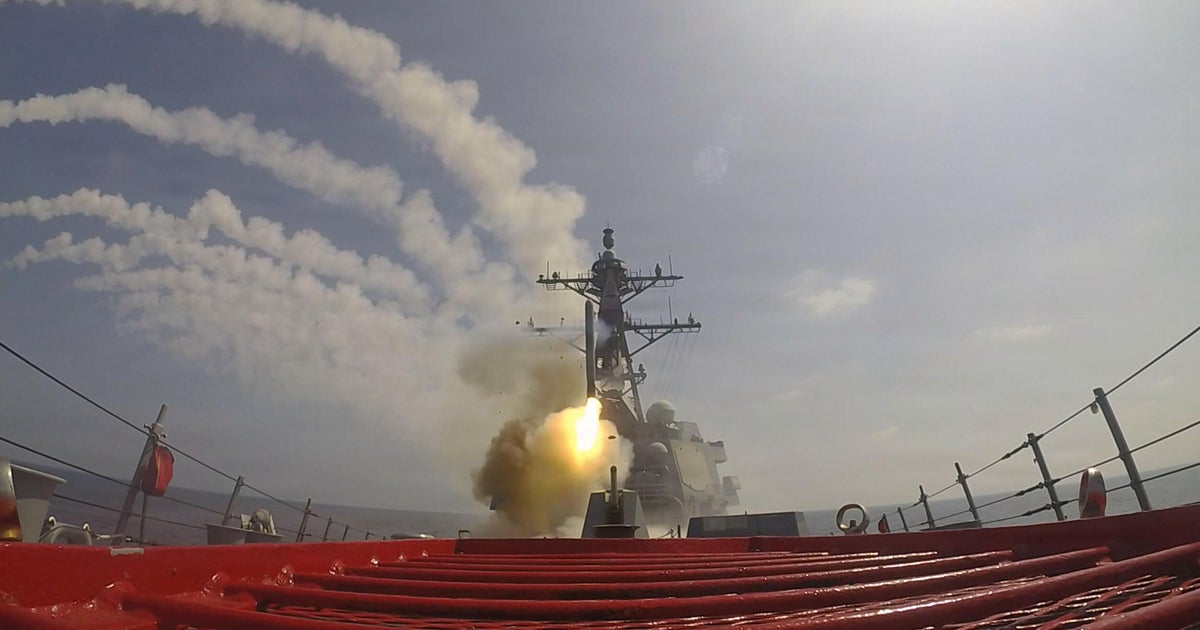
U.S. and Saudi strikes in Iraq targeted what American officials described as militant logistics and weapons sites late Tuesday, after a burst of alleged drone attacks on American forces and Saudi energy facilities, U.S. Central Command said.
CENTCOM said the joint operation hit “terrorist logistics and weapons sites across eastern Iraq,” while Saudi Arabia’s Ministry of Defense said it carried out “precise and targeted strikes” under its right to self-defense.
The two militaries did not identify the groups they said were hit. CENTCOM said the action followed more than 30 attempted drone attacks over three days against U.S. forces and Saudi energy sites, and said the attacks on U.S. assets were unsuccessful.
Saudi Arabia’s Ministry of Defense said it had intercepted drones launched from Iraq that were aimed at petroleum facilities in Riyadh and eastern Saudi Arabia.
Why did the U.S. and Saudi Arabia strike Iraq?
CENTCOM said the strikes were a response to attempted drone attacks on U.S. forces and Saudi energy infrastructure. The command alleged that Iran’s Islamic Revolutionary Guard Corps directed the attacks through what it called terrorist proxies.
“The IRGC and its terrorist proxies must cease these attacks to avoid further U.S. military response,” CENTCOM said in its statement.
Iran supports several Shiite militia groups in Iraq that have previously fired rockets at U.S. forces, according to U.S. officials. The U.S. has designated some of those groups, including Kata’ib Hezbollah, as foreign terrorist organizations.
Kata’ib Hezbollah is an Iran-backed Iraqi militia that the U.S. government classifies as a terrorist group. The designation makes it illegal under U.S. law to provide material support to the organization.
What did CENTCOM say about an Iranian missile attack?
Earlier Tuesday, CENTCOM said Iran’s Revolutionary Guards had mounted what it called an “attempted surprise attack” by launching ballistic missiles at U.S. forces in the region. The command said the missiles were intercepted.
The strikes in Iraq landed during a pause in direct U.S. attacks on Iran. According to CBS News, the U.S. had carried out nearly two weeks of nightly strikes on Iranian targets before those attacks ended Thursday night.
President Trump said Tuesday morning that the U.S. and Iran had held “very good talks,” and he voiced optimism about a possible agreement. He also warned that the U.S. would “finish the job” if no deal is reached with Iran.
Iran has said it is not currently seeking direct talks with the United States. Disputes remain between the two countries, including Iran’s push to keep control over the Strait of Hormuz and the U.S. demand that Iran give up its uranium enrichment program.
The regional pressure is not limited to Iraq. CBS News reported that the Houthis in Yemen, another Iran-backed militant group, have fired at Saudi tankers in the Red Sea, threatening a major waterway off Saudi Arabia’s western coast as Iranian attacks close off the Strait of Hormuz on the other side of the Arabian Peninsula.
This story draws on original reporting from CBS News.