Air purifiers can help tackle wildfire smoke at home, experts say
Wildfire smoke particles can get indoors, and health agencies say HEPA air purifiers can reduce some of the pollution in your rooms.
By Bianca Rossi · Entertainment Editor
3 min read
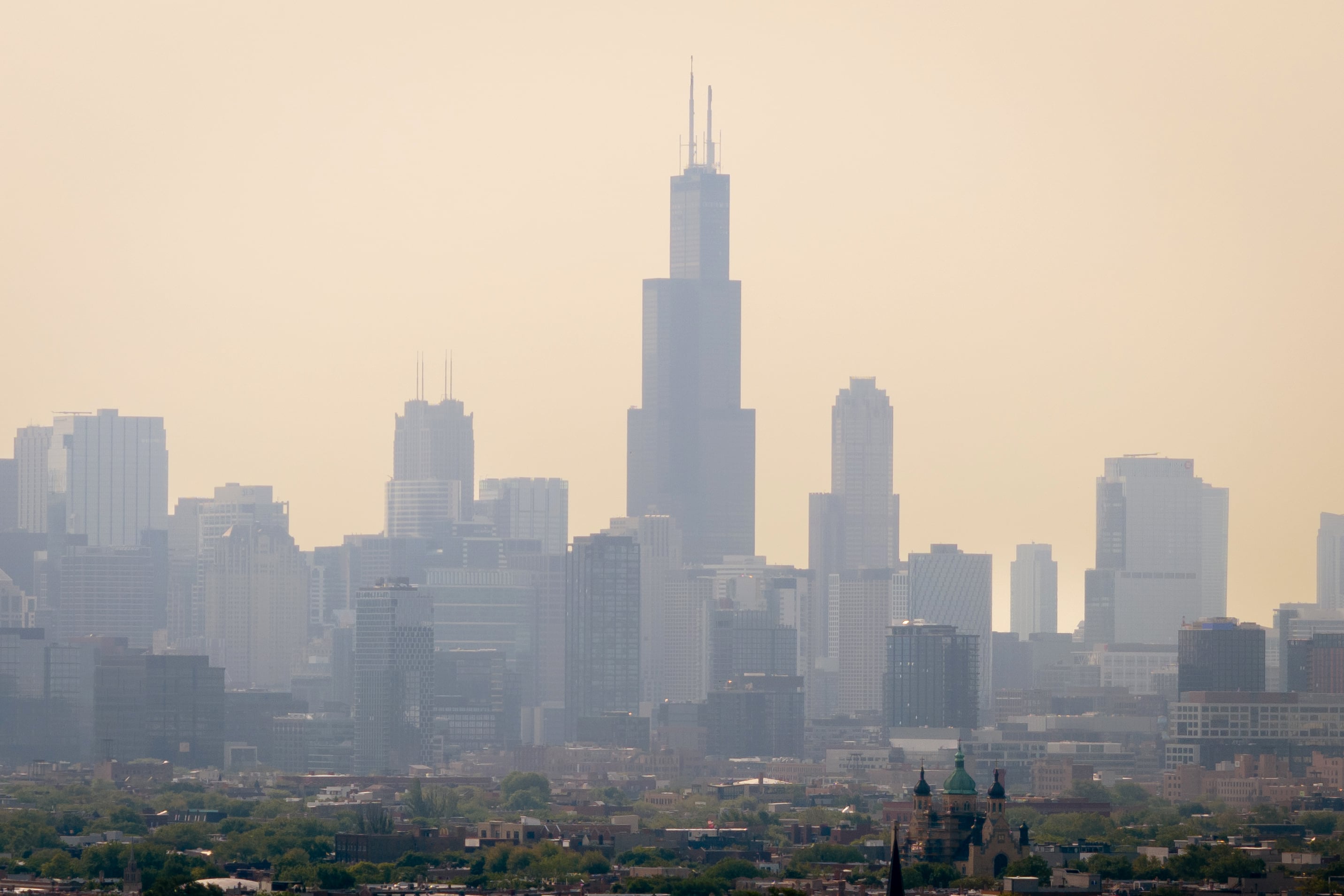
Wildfire smoke does not have to turn your living room visibly gray to get inside. Fine particles from smoke can slip into homes through gaps, doors and vents, and some air purifiers can track those tiny pollutants in real time.
The issue is particulate matter, often shown on purifier displays as PM2.5 or PM10. The Environmental Protection Agency says a human hair is roughly 50 to 70 microns across, while PM2.5 particles measure 2.5 microns in diameter. Much of wildfire smoke falls into that smaller category.
That size is the problem. Yale Medicine says tiny smoke particles can travel deep into the lungs and enter the bloodstream, which can give them access to organs including the heart and liver.
Why smoke exposure is a health concern
The U.S. Centers for Disease Control and Prevention says wildfire smoke can cause coughing, wheezing, headaches, tiredness and breathing trouble. The CDC says repeated exposure can affect people beyond groups commonly described as sensitive.
Yale Medicine says long-term exposure to PM2.5 may be linked to higher risks of cancers, heart attack and cognitive problems. Air pollution has also been linked to skin barrier issues and oxidative stress, according to reporting cited by the American Journal of Managed Care.
People with asthma, heart disease or diabetes face increased risk from wildfire smoke, according to the health guidance cited. Children and pregnant people are also considered at higher risk.
Pets are not spared. The American Veterinary Medical Association says smoke can irritate animals’ eyes, make breathing harder and harm their respiratory systems, especially for pets with heart or breathing conditions.
How a purifier helps
The EPA recommends keeping windows and doors closed when wildfire smoke affects indoor air quality. Smoke can still enter under doors, through cracks and through kitchen or bathroom vents, the agency says.
A portable air purifier can reduce harmful particles indoors by pulling room air through filters. Many higher-quality models use a HEPA filter, often paired with other filters.
The EPA says a HEPA filter can remove 99.97% of tiny airborne particles. Those particles can include wildfire smoke, cigarette smoke, traffic pollution, pollen and dust.
A pre-filter can also help by catching larger debris such as dust and hair before it reaches the HEPA filter. That can keep the main filter from clogging as quickly.
What PM2.5 and PM10 mean
Air purifier shoppers often see particulate matter listed as PM. Many units and apps show PM2.5 and PM10 levels as a snapshot of what is floating in the room.
- PM10 includes particles about 10 microns across, such as dust, pollen, mold and some wildfire smoke particles.
- PM2.5 includes particles about 2.5 microns across, which covers most particles released by wildfire smoke.
Indoor air can also contain pollutants when there is no wildfire emergency. Cleaning products, cooking smoke, pet dander, dust and microplastics can all contribute to indoor air pollution, according to the cited guidance.
Beyond wildfire season
HEPA filters may also help with allergies. The Asthma and Allergy Foundation of America says HEPA filtration can reduce airborne allergens that make their way indoors, including pollen and dust.
Air purifiers can also play a role during cold and flu season, though they are not a guarantee against illness. The CDC says some virus particles travel in larger respiratory droplets from coughs or sneezes, and those droplets can be captured by HEPA filtration.
Health agencies still point to air purifiers as one tool, not a magic shield. During smoke events, closed windows and doors, reduced indoor particle sources and proper filtration all work together to make indoor air safer.
This story draws on original reporting from Mashable.