SZA, Doja Cat and producers turn up the heat on AI music
Artists and music executives are pushing back as AI datasets, fake leaks and new platform rules put human-made music under pressure.
By Georgia Hale · Staff Writer
4 min read
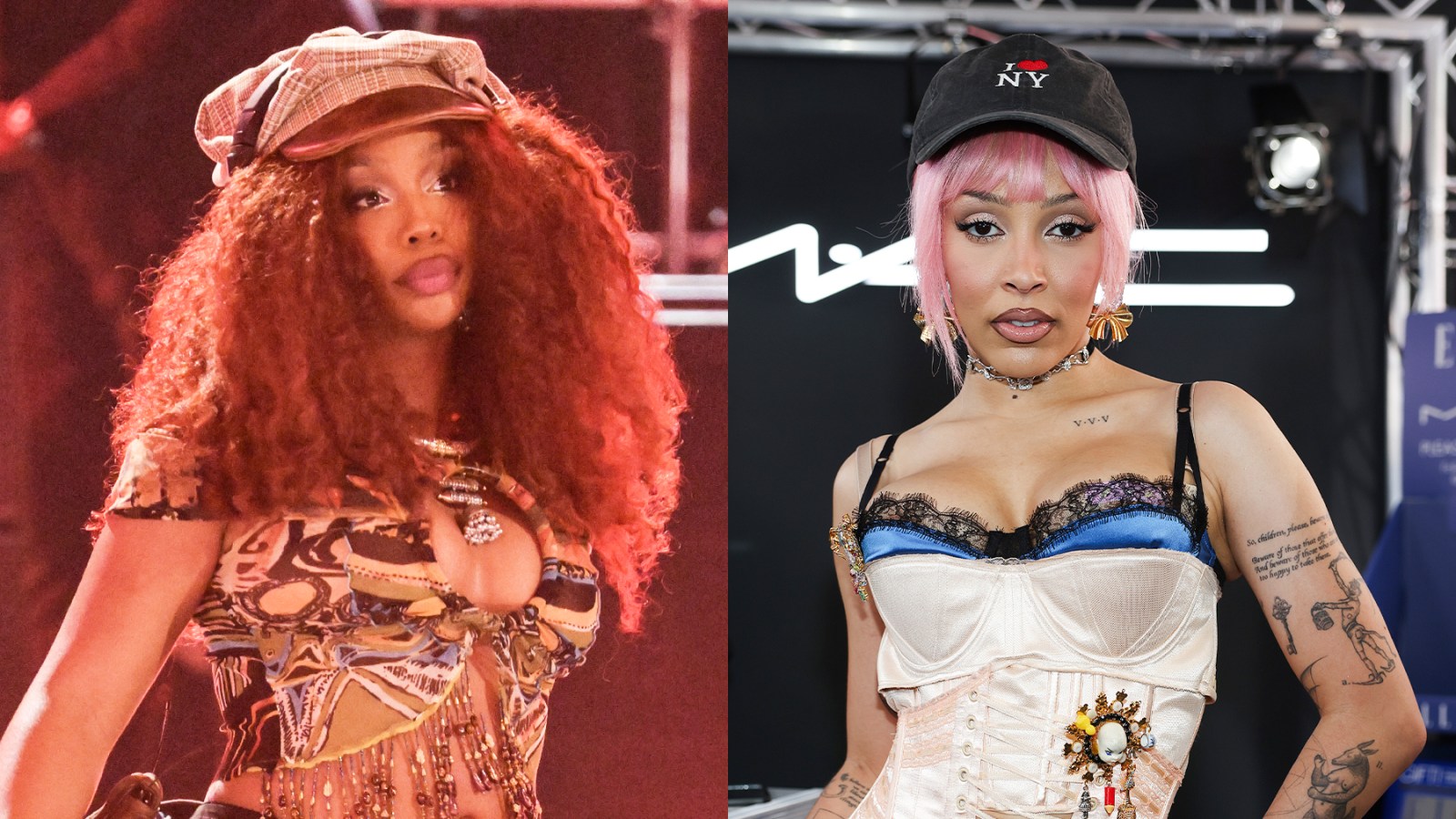
SZA, Doja Cat, Kenny Beats and other music figures are taking their AI complaints out of private rooms and onto public feeds, as new databases and platform policies make the fight over machine-made music harder to ignore.
Producer-songwriter Mike Sabath, whose credits include work with Raye, Jade, Niall Horan, Shawn Mendes, Zara Larsson and Sabrina Carpenter, told Rolling Stone he does not use AI in his studio sessions. He said the subject now comes up often in talks with artists and industry executives.
Sabath said he worries that technology is weakening respect for craft, pointing to artists such as Raye and Rosalía as examples of musicians who have spent years building a distinct creative voice.
Datasets put artists on alert
The anxiety sharpened after The Atlantic made searchable a dataset called Laion-Disco-12M, compiled by the nonprofit LAION in November 2024. The dataset contains more than 12 million YouTube song links, paired with metadata for machine-learning research, according to The Atlantic.
The database does not prove that a listed track has been used to train an AI model. It does show music that is easily available to developers, and that has been enough to alarm artists.
More than 250,000 artists appear in the dataset, according to Rolling Stone. SZA and Kehlani shared Instagram Story screenshots showing 238 and 179 songs tied to their names, respectively. Sabath’s name produced 18 results, with more possible through his writing and production credits.
SZA blasted musicians who support the practice in an Instagram post, arguing that no explanation could make it acceptable to her. She has also linked AI’s growth to environmental racism and pollution affecting marginalized communities, according to Rolling Stone.
The fight has already reached court. In a legal filing responding to a lawsuit from the Recording Industry Association of America, Suno acknowledged training its model on “tens of millions of recordings” available online. The RIAA, which represents Universal Music Group, Sony Music Entertainment and Warner Music Group, has accused Suno and Udio of training AI systems on unlicensed works.
Fake leaks and real chart action
For artists, the problem is not confined to training data. In June, fans circulated unreleased tracks they believed were Doja Cat leaks. Doja Cat later said on X that the songs were AI-generated and wrote, “Fuck AI for real,” according to Rolling Stone.
Jen Jacobsen, executive director of the Artist Rights Alliance, told Rolling Stone that AI training felt theoretical to many artists when more than 200 musicians signed the group’s 2024 open letter urging tech platforms to stop using AI in ways that infringe on or devalue human artists. She said searchable databases have made the issue personal.
Jacobsen said the debate has widened from copyright infringement to how AI-generated work competes in the marketplace. One example cited by Rolling Stone is “Let Me Be,” an AI-generated track credited to Second Voice that spent six weeks at No. 1 on Billboard’s U.S. Afrobeats Songs chart. Rwandan artist Elvin Cena told Okayafrica he used Suno to complete the song.
Platforms try labels and limits
TIDAL announced on June 29 that it would identify and tag music found to be almost entirely AI-generated. Those releases can stay on the service, but they are not eligible for monetization under the policy, which took effect in mid-July.
Robert Andersen, principal designer at TIDAL developer Block, told Rolling Stone the platform is scanning tracks to estimate AI use and is focused on accuracy. He said users will be able to filter out mostly AI-generated music, similar to blocking explicit content.
Suno is also courting independent musicians through Spark, an incubator program offering grants, marketing support and access to writing camps. Participants must be unsigned and independent, and they must use Suno tools at some point in the creative process, according to the program terms.
After criticism of an earlier anti-disparagement clause, Suno revised the language to say participants may not disparage Spark or its participants. The company says the rule is about mutual respect and does not block artists from speaking honestly about their experience.
Paul Sinclair, Suno’s chief music officer, told Rolling Stone the company believes the best music will continue to be made by people, whatever tools they use. He said Suno understands why many artists have concerns and that the company’s job is to listen.
This story draws on original reporting from Rolling Stone.