Ben Lovett’s Pacific Electric brings a new music bet to downtown L.A.
Mumford and Sons’ Ben Lovett opened the 750-capacity Pacific Electric as midsize venues face rising costs and tough odds.
By Georgia Hale · Staff Writer
3 min read
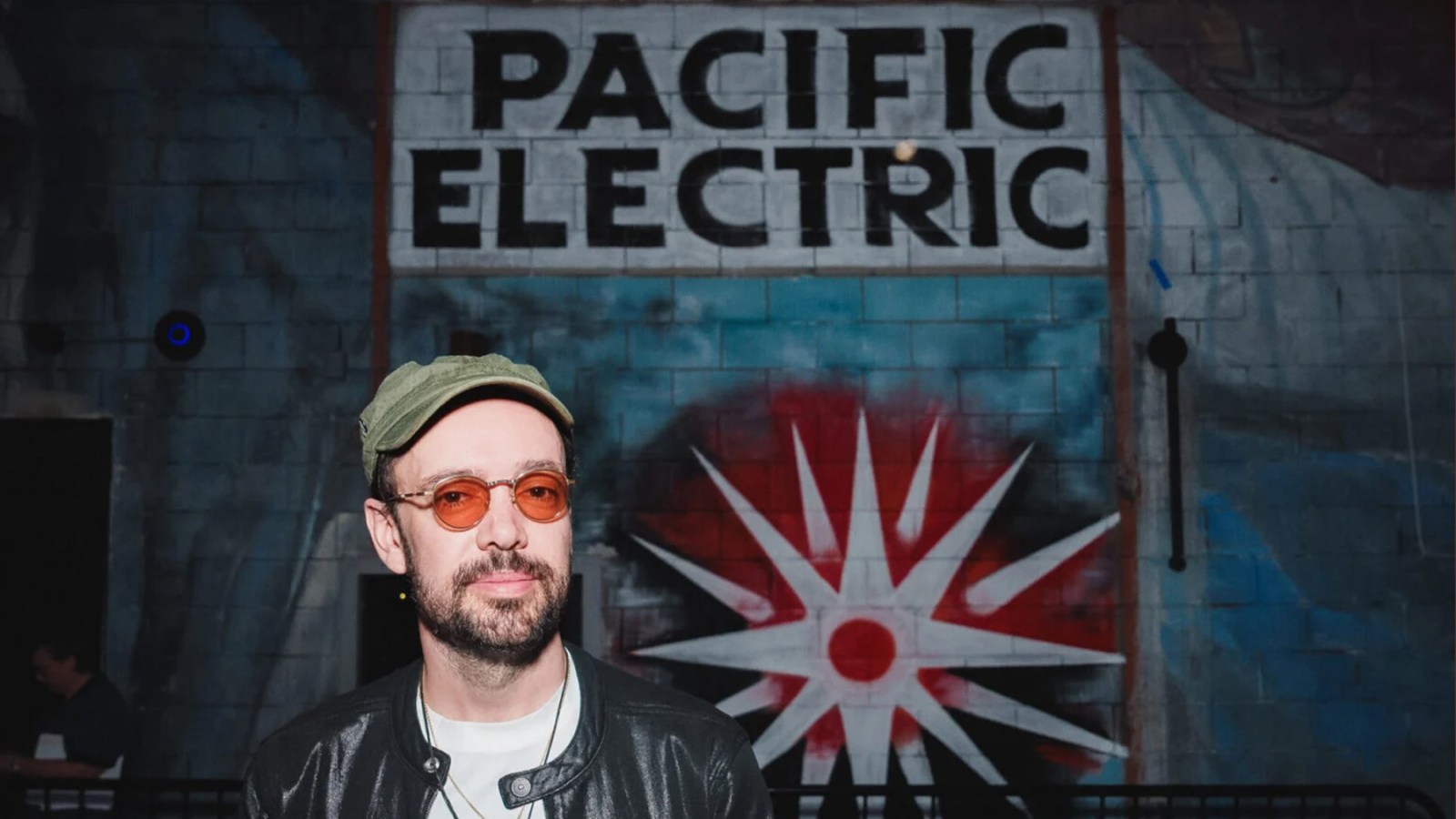
Ben Lovett’s Pacific Electric is the latest swing from the Mumford and Sons keyboardist and songwriter: a 750-capacity music venue that opened in March in downtown Los Angeles, according to Rolling Stone.
Lovett, 39, is best known for his work in the U.K. band, but he has spent the past decade opening music venues in the United States through TVG Hospitality. Pacific Electric sits near Chinatown and the L.A. River, in a part of downtown still dealing with the aftershocks of Covid-19, the magazine reported.
Lovett told Rolling Stone he sees venues as cultural anchors. He said cities are often shaped by a small number of music rooms, with nearby bars, restaurants, record stores, thrift stores and homes following the pull of those gathering places.
What is Pacific Electric?
Pacific Electric is a new downtown L.A. concert venue founded by Ben Lovett through TVG Hospitality. Rolling Stone described it as a 750-capacity room designed to serve both fans and artists, with Lovett calling it “a contemporary indie rock & roll club.”
The opening comes during a rough stretch for smaller live music spaces. Rolling Stone reported that nightclubs and smaller concert venues have continued closing across the country, while much of the live-event money is concentrated around arena and stadium tours by major artists.
Mary Conde, senior vice president of Another Planet Entertainment, told Rolling Stone that the economics of concert promotion can be brutal because promoters front the money without a guaranteed return. “What kind of business plan is that?” she said.
Lovett’s pitch is partly about comfort backstage. He told Rolling Stone that while touring with Mumford and Sons, he noticed artists spend long days in venues, outside of soundcheck, and believed better back-of-house amenities could improve the experience.
At Pacific Electric, Rolling Stone reported, the green room is built more like a suite than a standard backstage crash pad, with a skylight, piano, coffee, bar and walk-in shower. A smaller version is available for opening acts. Stacey Levine, the venue’s senior general manager, told the magazine Lovett had a major role in shaping the design as a fan-forward and artist-forward space.
Why are older venues being restored?
Some operators are betting that historic rooms can survive if they are repaired, modernized and kept tied to their communities. That approach is visible in San Francisco, where Another Planet Entertainment signed on in 2022 for a $41 million restoration of the Castro Theatre, Rolling Stone reported.
Conde told the magazine the theater had suffered decades of wear, including damaged clay tiles, erosion tied to water in the basement, rusted rebar, asbestos and lead paint. She said the building had also lacked ADA access and central air conditioning before the work.
The Castro Theatre reopened in February with a Sam Smith residency after five years of renovations, according to Rolling Stone. The venue now operates as both a concert hall and movie theater, includes queer programming, has ADA access throughout the building and features what Rolling Stone identified as the world’s largest symphonic digital organ.
In San Antonio, Stable Hall is taking a similar old-building, new-stage route. Rolling Stone reported that the venue opened in January 2024 in the Pearl district, inside an 1894 structure once used for Pearl Brewing Company horses. Its $11 million renovation included new sound systems, six bars and layouts that can hold up to 1,000 people.
Hannah Gold, Stable Hall’s head talent buyer, told Rolling Stone the goal is to make artists want to return, citing sound quality and green room catering. She also said preserving older buildings helps protect the character and history that make a place distinct.
Lovett told Rolling Stone he wants Pacific Electric to reflect the freedom he remembers from the late Nineties and early 2000s, and to give L.A. a place where fans and musicians can feel fully expressive.
This story draws on original reporting from Rolling Stone.