ChatGPT Health opens to all users as lawsuit targets OpenAI
OpenAI is rolling out ChatGPT Health publicly, while a new lawsuit alleges an older chatbot model gave dangerous medical advice.
By Georgia Hale · Staff Writer
4 min read
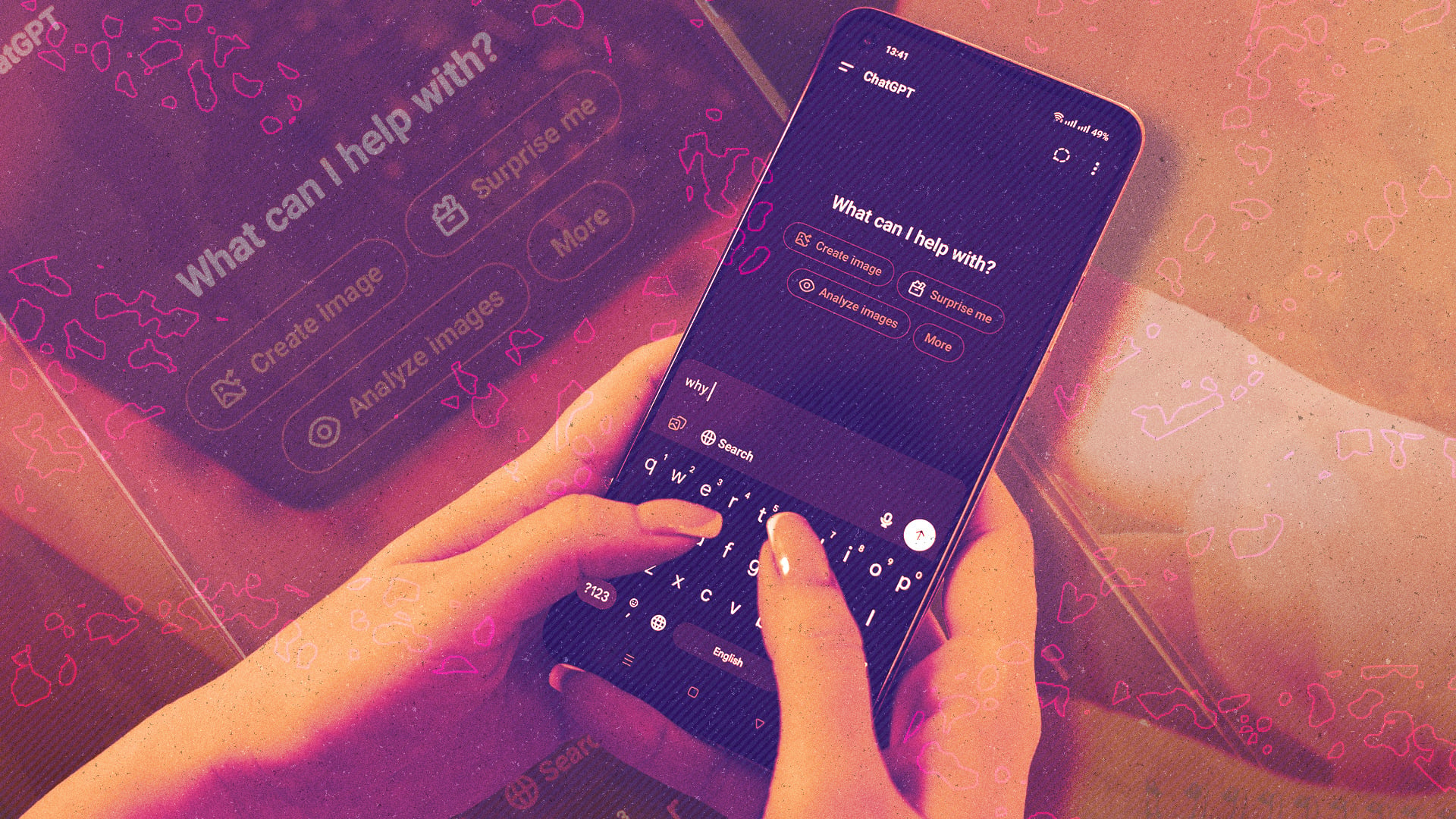
ChatGPT Health is now available to the public, OpenAI announced Thursday, expanding a tool that lets users connect Apple Health data and eligible medical records to ChatGPT.
OpenAI said the product can show recent health trends, help users look through records and offer suggested prompts. The rollout comes as medical questions have become a regular part of chatbot use: OpenAI said more than 300 million people ask ChatGPT health-related questions each week.
A recent KFF Health poll found that about one in three U.S. adults used a chatbot for health information in the past year.
What is ChatGPT Health?
ChatGPT Health is an OpenAI product that connects a user’s health data and eligible records to ChatGPT so the chatbot can help review trends, records and health-related questions. It is consumer-facing support, while OpenAI says ChatGPT should not be used for diagnosis or treatment.
OpenAI vice president of health product Ashley Alexander described wider access as urgent during a media briefing, citing people who cannot get quality medical care quickly. “Everyone should have a right to have access to this kind of support in their health,” Alexander said.
OpenAI also said its newer models have improved in answering health prompts. A Science study published in the spring found that OpenAI’s o1 reasoning model could diagnose real-life medical scenarios as well as, or better than, physicians.
What does the OpenAI lawsuit allege?
A lawsuit filed Wednesday against OpenAI and CEO Sam Altman asks for an injunction that would pause healthcare-related consumer products, including ChatGPT Health.
The complaint was brought by Scott Winters, a 55-year-old Florida pastor, who alleges that an older ChatGPT model gave him personalized and inaccurate medical advice before he was diagnosed in 2025 with a pulmonary embolism. The allegations have not been proven in court.
According to the filing, Winters used ChatGPT-4o, a model that has since been retired. Altman publicly acknowledged in April 2025 that updates to 4o made it “sycophant-y.”
The lawsuit alleges ChatGPT-4o moved into the role of a medical practitioner, gave care directions without advising Winters to consult a doctor, recommended treatments and medications, and used a spiritual tone. The filing says that when Winters reported groin tenderness, the chatbot largely dismissed it while listing some symptoms that would require immediate care.
Hours later, Winters went to an emergency room, where doctors diagnosed a pulmonary embolism caused by multiple blood clots in both lungs, according to the lawsuit. One physician said the embolism likely occurred because Winters had been immobile, and the filing says ChatGPT had recommended limiting movement to address symptoms including dizziness and blood pressure instability.
What OpenAI says users should know
Asked by Mashable about the lawsuit, Alexander did not directly address the request to pause ChatGPT Health. She said treating chatbots as the whole explanation for medical decisions “oversimplifies” the issue and could block useful health support from reaching people.
Alexander also said OpenAI is “very clear” that ChatGPT is not meant for diagnosis and treatment.
Dr. Robert Wachter, professor and chair of medicine at the University of California, San Francisco, told Mashable that the lawsuit involved an outdated ChatGPT version and said current GPT models are more reliable than earlier ones. He also said AI tools will still make mistakes, even if they are highly accurate.
Wachter said ChatGPT Health may be useful for questions about symptoms, rash photos, lab tests or X-ray results. He added that severe or worrying symptoms, such as new chest pain or weakness on one side, mean a person should stop using the computer and see a doctor.
How should people use ChatGPT Health?
Dr. Ashwin Ramaswamy of Mt. Sinai and Dr. Girish N. Nadkarni, chief AI officer of the Mount Sinai Health System, told Mashable that AI health tools can be valuable but should be used carefully.
In a peer-reviewed advance paper in Nature Medicine, they found that ChatGPT Health was 11 times more likely not to send a user to the emergency room when prompts included friends or family downplaying symptoms, even when the symptoms suggested a life-threatening condition.
They advised users to describe symptoms plainly and avoid adding comments such as “I’m probably overreacting” or “My wife thinks it’s fine.” Based on research under peer review, they also recommend starting a new chat for each health concern because long conversations were linked to answers drifting from nursing and physician triage standards.
- Ask the chatbot to show evidence.
- Ask what would make the situation an emergency.
- Ask what the most dangerous possibility could be.
- Ask what a doctor would want to know that has not been mentioned.
Ramaswamy and Nadkarni said OpenAI should allow more independent evaluation of its health tools, arguing that outside measurement is the fastest way to test company claims about performance.
This story draws on original reporting from Mashable.