College laptop shopping gets stricter as schools raise spec demands
Mashable says students should think twice before buying Chromebooks or ARM-based Windows laptops for campus use.
By Georgia Hale · Staff Writer
3 min read
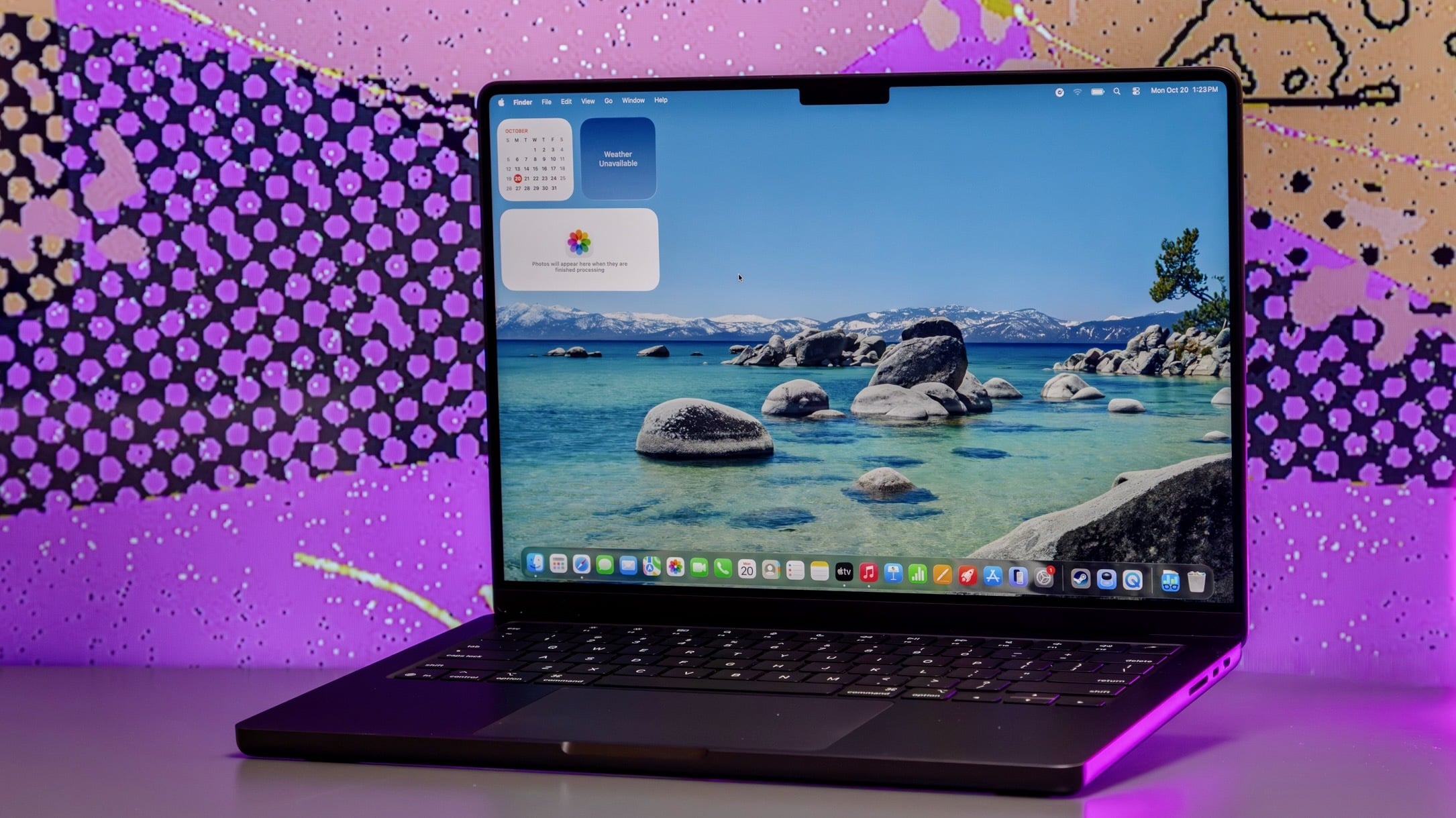
College laptop shopping now comes with a specs checklist, and Mashable says the safest bet for many students is a recent Windows 11 laptop or MacBook with enough memory and storage to survive more than freshman year.
After testing more than 80 laptops over the past two years, Mashable reviewed hardware guidance from the top 10 public universities for the fall 2026 semester and used that research to narrow its recommendations to six laptop picks for college students.
The publication said it weighed real-world laptop testing, performance benchmarks, campus portability, expected lifespan and current pricing. Mashable also noted that laptop prices are high right now, though a stronger machine can last beyond graduation.
What schools are asking for
According to Mashable, six of the 10 top-ranked public universities it reviewed tell incoming students to buy either Windows 11 laptops or MacBooks that are less than two years old. Mashable said it would not advise going older, citing future usefulness.
The most common baseline was 16GB of RAM and at least 512GB of SSD storage, Mashable reported. Liberal arts students may be able to manage with 256GB of storage, the publication said, though that could require an external drive.
For engineering, design and computer science students, the bar rises. Mashable said students in those fields are generally steered toward 24GB to 32GB of RAM and 1TB of storage.
Processor needs follow the same split. For Windows machines, Mashable said many schools recommend at least an Intel Core or AMD Ryzen 5 chip, while more demanding coursework may call for Intel Core or AMD Ryzen 7 or 9 processors. Some programs also recommend dedicated graphics, such as Nvidia GeForce RTX or Radeon RX graphics.
On Apple’s side, Mashable said MacBook Air and MacBook Pro models with the base M5 chip are common recommendations for most students.
Why some laptops get a warning label
Mashable said two schools advised against ARM-based Windows laptops with Qualcomm Snapdragon processors because some software does not run natively and older campus peripherals may not be supported.
One example cited by Mashable was AutoCAD, a 2D and 3D design program used by engineering and design students. Although the publication said ARM laptop compatibility is improving, it left those models off its 2026 college list and advised students to stick with Intel or AMD for now.
Chromebooks also received a cautious review. Mashable said three schools in its research pool discouraged Chromebooks for at least some students, while the University of Florida recommended them only “as supplemental devices.”
Price is part of the problem. Mashable said Chromebook price increases tied to the ongoing RAM shortage have pushed many models close to, or above, the price of Apple’s budget MacBook Neo.
Check your major before checkout
Mashable stressed that laptop advice can change by department. It cited the University of Virginia and the University of California, Davis, where MacBooks may be acceptable for many students but not recommended for certain engineering tracks.
UCLA’s Anderson School of Management says Mac computers may be used as primary study machines, but some elective course software is available only for Windows, according to the school language quoted by Mashable.
Mashable also advised students to budget for an extended warranty with accidental damage coverage, saying more than half of the top 10 public universities recommend it. AppleCare+ for Mac costs students $67.99 to $139.99 per year depending on model, Mashable reported.
Borrowed campus laptops are not a long-term fix, according to Mashable. University loaners are typically first-come, first-served and wiped when returned, while computer lab desktops cannot follow students to class or the dorm.
This story draws on original reporting from Mashable.