Country artists oppose data centers from Nashville to rural Texas
Brad Paisley, Tanya Tucker, Gavin Adcock and Willie Nelson are speaking out as data center fights spread across communities.
By Poppy Nakagawa · Culture Writer
3 min read
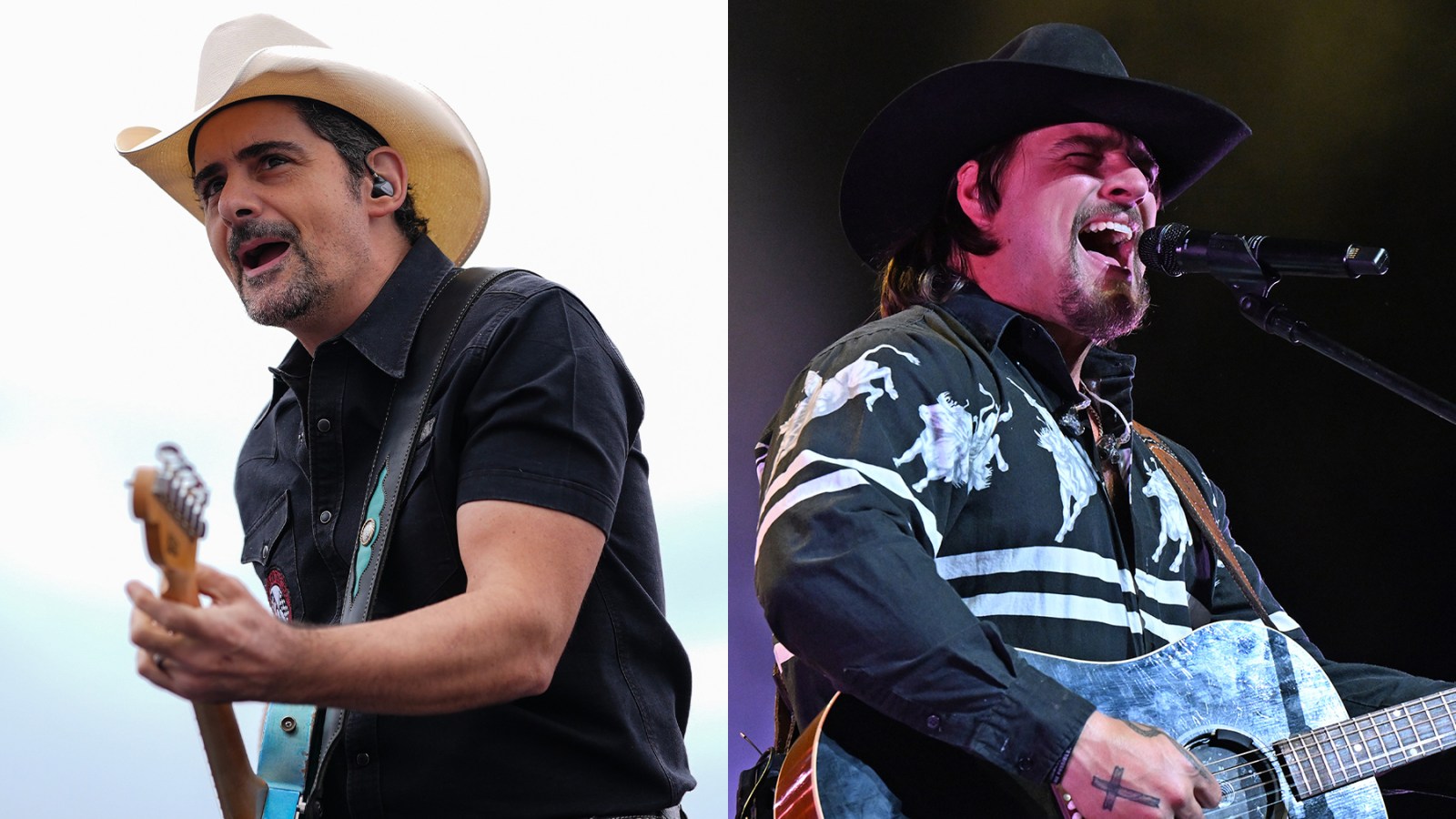
Country artists oppose data centers in a growing fight that has pulled in Brad Paisley, Tanya Tucker, Gavin Adcock and Willie Nelson, with each warning that the projects could strain local water, power and land resources, according to Rolling Stone.
The pushback has cut across country music’s political lanes. Rolling Stone reported that artists with very different public profiles have taken aim at proposed facilities in Tennessee and Texas, joining residents who have objected to data center construction in rural and urban communities.
A data center is an industrial site packed with computer servers that store, process and move digital information. Such facilities can require large amounts of electricity and water, which is why local fights often focus on utilities, noise, light and pressure on nearby communities.
Why are country artists opposing data centers?
Paisley spoke out on Instagram about a proposed Nashville data center that Rolling Stone said would have been built 500 yards from the local zoo. He urged followers to sign a petition opposing the project and wrote that it would be an “enormous monstrosity” and an “absolute eye sore” for the zoo and surrounding area.
Rolling Stone reported that Jack White, Sheryl Crow and Margo Price were among the artists who responded approvingly to Paisley’s post. Paisley also connected the project to broader worries about technology and the music business, writing that AI is already taking artists’ intellectual property “without asking” and that the effect can be felt on Music Row.
Adcock, described by Rolling Stone as a proudly conservative artist who has FaceTimed with Donald Trump and criticized Joe Biden onstage, also posted against data centers. In an Instagram video, he said rural communities were being affected as local resources were strained, including resources used by farmers, their animals and their land.
Adcock aimed his criticism at the wealthy people he said were backing and installing the projects. “These people are getting punished for living in the country,” he said of farmers and others near data centers, according to Rolling Stone.
Willie Nelson and Tanya Tucker join the Texas fight
Tucker, who was born in Seminole, Texas, posted an appeal to Texas Gov. Greg Abbott asking him to “save rural Texas” and pause data center projects in the state. In the post cited by Rolling Stone, Tucker wrote that the facilities would hurt health, wildlife, the water table and water resources, and would “scar our land forever.”
The Texas Tribune reported that about 248 data centers are planned for Texas, according to Rolling Stone.
Nelson also weighed in on Instagram about data center construction in Abbott, Texas, his hometown. “The last thing we need is a loud, water thieving, light polluting, data center anywhere near our town,” Nelson wrote, adding that rural America’s strength comes from people, open spaces, local businesses and ties to the land.
The opposition is not limited to music stars. A May Gallup poll found that only 7 percent of people surveyed strongly favored building data centers, Rolling Stone reported. MLive reported that protesters appeared at President Trump’s speech in Michigan, where multiple data center projects are planned, including an OpenAI site near Saline.
Megan Mullin, faculty director of the UCLA Luskin Center for Innovation, told Rolling Stone that resistance to data centers appears to be one of the few issues currently bringing Americans together. She said the resistance is rooted less in suspicion of technology than in people’s attachment to where they live.
One country figure has not taken a clear anti-data-center position, according to Rolling Stone: John Rich. After President Trump appointed the Big & Rich songwriter as “Special Envoy for American Landowners,” Rich told RFD-TV that there is a right way and a wrong way to build a data center, a line he attributed to U.S. Agriculture Secretary Brooke Rollins, and said more news on Washington’s approach could arrive in a couple of weeks.
This story draws on original reporting from Rolling Stone.