D4vd DNA testimony puts singer on trash bag in murder case
An LAPD criminalist testified that D4vd’s DNA was in a trash bag mixture tied by prosecutors to Celeste Rivas Hernandez’s blood evidence.
By Georgia Hale · Staff Writer
3 min read
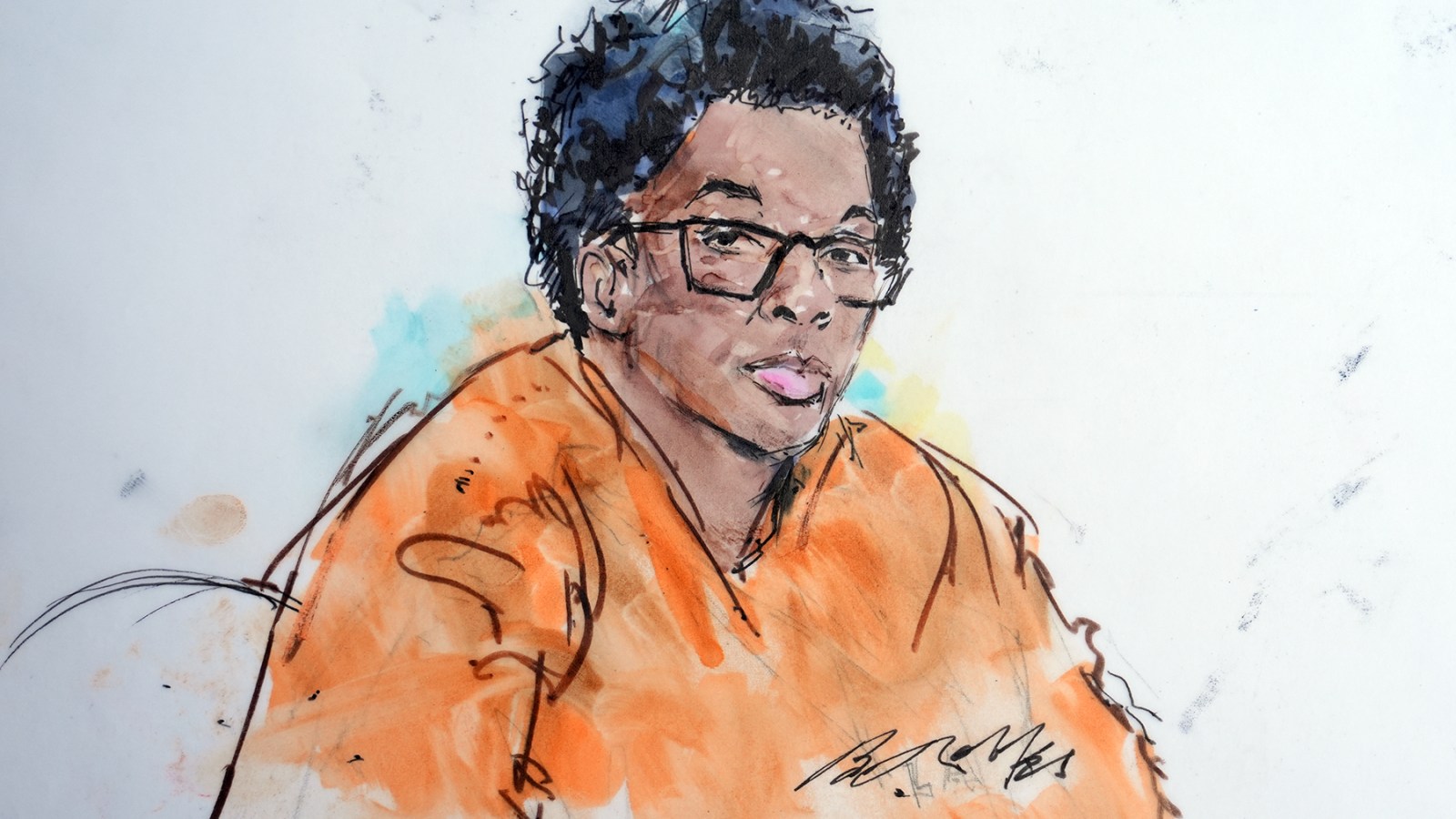
D4vd DNA trash bag testimony took center stage Thursday in Los Angeles, where an LAPD criminalist said the singer’s genetic material was part of a mixed DNA sample taken from a bag recovered in the murder case of 14-year-old Celeste Rivas Hernandez, according to Rolling Stone.
David Anthony Burke, the platinum-selling singer known as D4vd, is accused of killing Rivas at his Hollywood Hills rental on April 23, 2025. Prosecutors allege he stabbed her, later dismembered her body in the garage, and hid her remains in the front trunk of his Tesla.
Burke has pleaded not guilty to murder, continuous sexual abuse of a child under 14, and unlawful mutilation of human remains. His lawyers have said the evidence will show he did not kill Rivas or cause her death.
What did the D4vd DNA testimony say?
Samantha Tosch, a criminalist with the Los Angeles Police Department, testified that a swab from the outside of a trash bag found in Burke’s garage contained DNA from four people, Rolling Stone reported. At least two contributors were male, Tosch said, and Burke was included in the mixture profile.
Tosch also testified that DNA from one wipe inside the bag was three trillion times more likely to have come from Rivas than from an unknown person. She said Burke’s DNA was not found on that wipe.
Another LAPD criminalist previously testified that wipes with brown staining were found inside an inner trash bag, and that a chemical screening test produced a presumptive positive result for blood. A presumptive test can suggest blood is present, but further testing is used to identify whose DNA may be on an item.
Under questioning from defense lawyer Blair Berk, Tosch acknowledged DNA can be transferred to an object without direct contact. Berk suggested the LAPD software showed only the likelihood that Burke’s DNA was in the mixture. Tosch agreed that framing was fair, while maintaining that, in her professional opinion, Burke’s DNA was present on the outer bag.
What other evidence did LAPD witnesses describe?
Tosch testified that other suspected blood evidence from the garage matched Rivas’s DNA profile, including samples from a rowing machine, a black rubber floor mat, a Tesla charger and a green tarp, according to Rolling Stone. She also said Rivas’s DNA was detected in a rear trunk compartment of Burke’s Tesla, separate from the front trunk where her remains were found.
LAPD trace analyst Lisa LaHendro testified that blue fragments recovered from Rivas’s remains matched an inflatable pool found in Burke’s garage. She said a photo showed the edges of a fragment aligning with a hole in the pool.
LaHendro also compared black fabric from a garage trash bag with leggings found on Rivas’s remains, but said she could not make a firm match because the leggings were wet, soiled and deteriorated.
LAPD criminalist Lauren Wallace testified that investigators did not swab or collect two chainsaws found in Burke’s garage because they tested negative for possible blood and did not appear used. Prosecutors previously said Burke ordered two chainsaws on Amazon after the alleged killing, while an LAPD detective testified this week that investigators believe he bought a third chainsaw from Home Depot that was never recovered.
Detective William Roecker testified that cell-tower and Tesla location data showed Burke’s phone and car traveling together from the Hollywood Hills home to a remote area of Santa Barbara County on three occasions, including the night prosecutors say Rivas was killed.
The hearing will determine whether prosecutors have presented enough evidence for the case to proceed to trial. If convicted as charged, Burke could face life without parole or the death penalty, though prosecutors have not said whether they will seek a death sentence.
This story draws on original reporting from Rolling Stone.