D4vd murder trial moves closer after Los Angeles judge’s ruling
A Los Angeles judge found prosecutors met the preliminary-hearing standard against David Anthony Burke, setting an Aug. 31 arraignment.
By Poppy Nakagawa · Culture Writer
3 min read
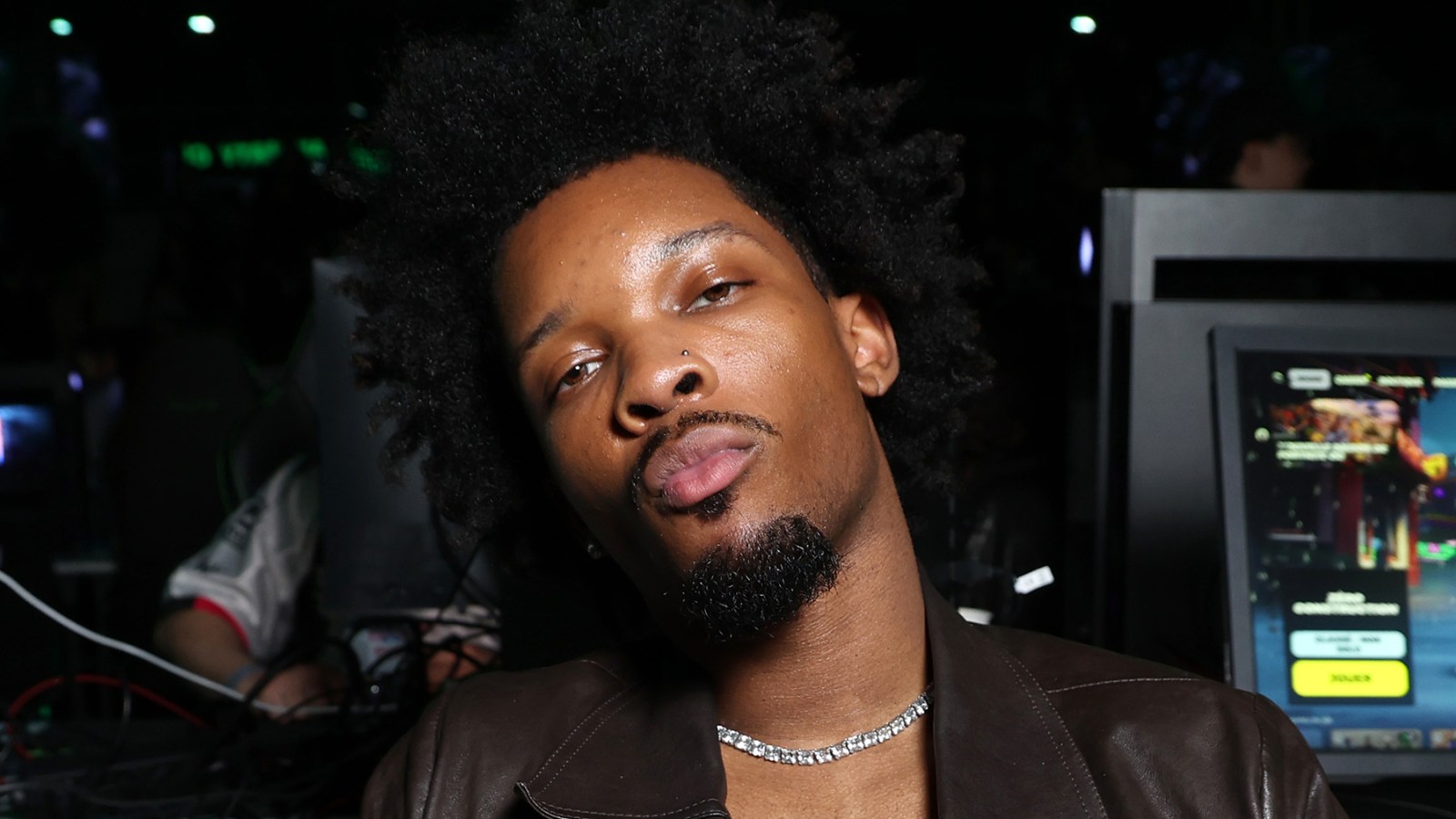
The D4vd murder trial moved a major step closer Monday after a Los Angeles judge ruled that prosecutors had cleared the evidence threshold to proceed against the singer, whose legal name is David Anthony Burke, in the killing of 14-year-old Celeste Rivas Hernandez.
Judge Charlaine Olmedo said prosecutors had “met their burden of proof” at the preliminary hearing and ordered Burke to be “held to answer.” His arraignment was set for Aug. 31.
Burke has been charged with murder, continuous sexual abuse of a child under 14, and unlawful mutilation of human remains. Prosecutors also argued special-circumstance allegations that he killed Rivas for financial gain and to stop her from reporting abuse.
What happens next in the D4vd case?
A preliminary hearing is the stage where a judge decides whether prosecutors have shown enough evidence for a felony case to continue. After Olmedo’s ruling, Burke is due back in court for arraignment, where the case can move toward trial proceedings.
Los Angeles Deputy District Attorney Beth Silverman told the court that Burke, an adult, sexually abused Rivas over many months, manipulated her, and later killed her after she threatened to expose him. Silverman argued that text messages shown in court reflected the emotional harm Rivas was experiencing.
Silverman said the messages between Burke and Rivas included sexually explicit material and discussions about contraception, pregnancy, and abortion. She argued that even after Burke ended the relationship in late 2024, he continued to use the teenager for sex.
Defense lawyer Marilyn Bednarski urged the judge not to send the murder count forward. She argued that Rivas went to Burke’s home on April 23, 2025, on her own, and said Burke had been playing a multiplayer virtual-reality game shortly before her arrival rather than preparing to kill her.
Bednarski also said the text messages presented in court did not show murderous intent. According to the defense, Burke continued to express love and concern for Rivas after their relationship ended.
Prosecutors allege Burke dismembered Rivas’ body in his garage with a chainsaw, put the remains in a cadaver bag and a laundry bag, and hid them in the front trunk of his Tesla. Bednarski did not challenge whether the other two counts should proceed, but argued that alleged conduct after death did not prove how Rivas died or that Burke intended to kill her.
“Dismemberment is post-mortem conduct,” Bednarski told the court, arguing that concealment of a death could not by itself establish murder.
The final witness, Los Angeles police Detective Corey Farell, returned to the stand before the ruling. During cross-examination by defense lawyer Blair Berk, Farell confirmed a text Rivas sent Burke on April 22, 2025, in which she expressed anger and jealousy over his relationship with Aysia Collins, who had attended Coachella with him weeks earlier.
The message, read aloud in court and shown on a screen, included threats by Rivas against Burke, according to the testimony. Farell also confirmed that his investigation found Rivas’ parents had signed a four-page notarized consent form allowing her to travel with Burke to London in September 2024.
This story draws on original reporting from Rolling Stone.