Emily Wilson's Odyssey review pans Christopher Nolan's film
The classicist whose 2017 translation helped spark Nolan’s interest says his Odyssey film lacks the poem’s depth.
By Georgia Hale · Staff Writer
3 min read
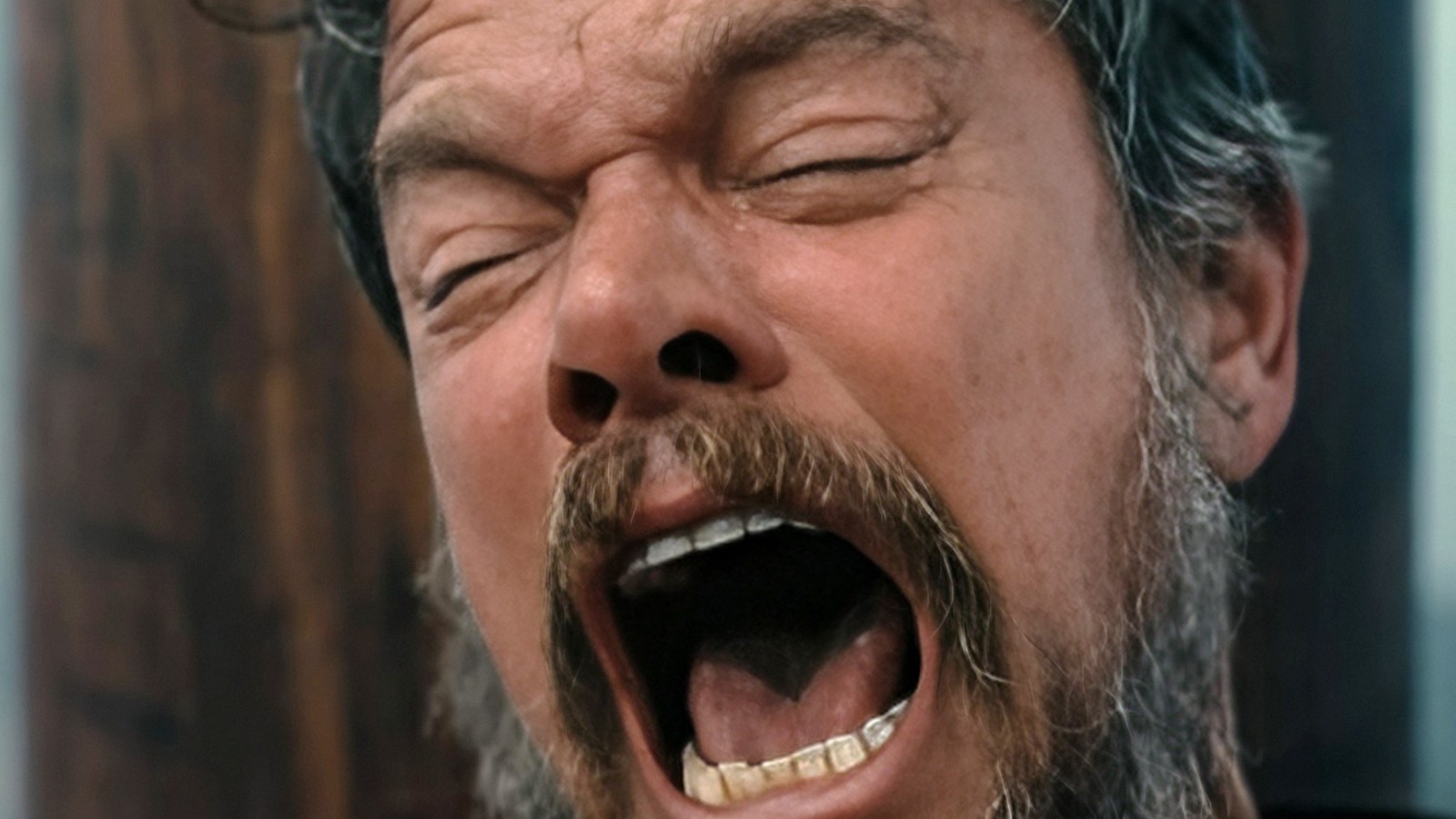
Emily Wilson's Odyssey review has landed with a thud for Christopher Nolan: the classics professor whose 2017 translation helped inspire his film has sharply criticized the adaptation in the London Review of Books.
Wilson, a scholar of ancient Greek literature, is known for her translation of Homer’s epic, including the opening line, “Tell me about a complicated man.” Nolan previously pointed to that line in an Empire interview while discussing why Odysseus drew his interest as a character.
In her review for the London Review of Books, Wilson argues that Nolan’s film misses what makes the poem endure. She writes that the movie has Nolan’s “usual combination of grandiosity and superficiality” and says it falls short on themes including time, memory, war, history and the effects of Odysseus’s return on the people around him.
What did Emily Wilson say about Christopher Nolan's Odyssey?
Wilson’s verdict is blunt. In the London Review of Books, she says the film has no persuasive ideas about several of the poem’s central concerns and lacks “psychological, emotional, political and ethical depth.”
She also criticizes the movie’s story construction and script, calling the narrative structure “gimmicky” and the writing “abysmal.” Wilson adds that, in her view, the characters do not have convincing reasons for what they say or do.
Her review also takes a swipe at the film’s handling of bodily and domestic life. Wilson writes that the movie has no sex scenes and says the food shown on screen looks terrible.
The criticism carries extra bite because Nolan had publicly connected his interest in Odysseus to Wilson’s translation. In Empire, Nolan said the character’s intelligence, resourcefulness and strategic mind were central to his attraction to the story, describing Odysseus as more than a soldier.
Wilson responds in her review by noting that she was “humbled” to learn Nolan had read at least the first line of her translation, then adds that she would be ashamed to have written any part of the script.
Why does Wilson's translation matter to the movie?
Wilson’s 2017 version of The Odyssey became widely discussed for its opening description of Odysseus as “a complicated man.” The phrase reframed a character often presented through heroism and cunning, placing moral complexity right at the start.
That connection makes her review more than a routine critic’s pan. Nolan cited the translation while explaining his approach to the protagonist, and Wilson is now saying the finished film does not deliver the depth she finds in Homer’s poem.
Wilson also addresses the film’s casting choices. According to her review, she takes issue with the way several non-white actors are used in the story, naming Zendaya, Lupita Nyong’o, Himesh Patel, Corey Antonio Hawkins and Travis Scott.
Her criticism is not framed as an objection to diverse casting itself. Wilson writes that most of those performers play versions of a “Black best friend” role, serving mainly to assist the white lead character.
The film stars Matt Damon as Odysseus, according to Universal materials cited with promotional imagery. Nolan’s adaptation has also been the subject of online political arguments, including criticism tied to its race-neutral casting, but Wilson’s review focuses on the movie’s dramatic, ethical and artistic choices.
This story draws on original reporting from Rolling Stone.