Eric Church’s Sinners Like Me still echoes 20 years later
Released in 2006 without a Top 10 single, Eric Church’s debut has become a Platinum touchstone for country artists and fans.
By Georgia Hale · Staff Writer
3 min read
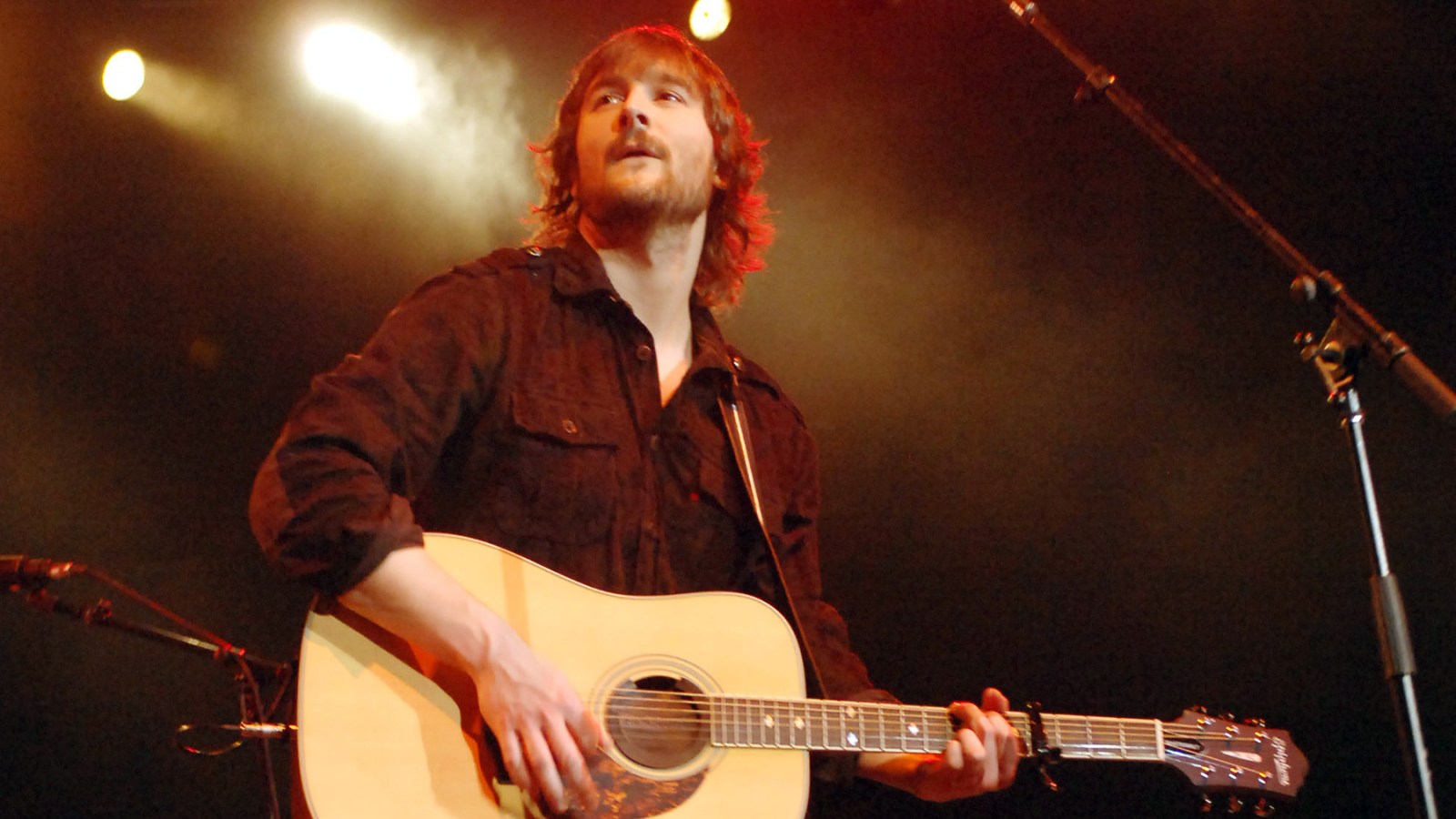
Eric Church’s first album did not arrive like a Nashville coronation. According to Rolling Stone, Sinners Like Me peaked at No. 7 on Billboard’s country albums chart, landed no Top 10 single and still, two decades later, sits at the root of his reputation as one of country’s most influential modern writers.
The album was released on July 18, 2006, after Church had spent his early Nashville years pushing songs that did not fit neatly into the radio mood of the moment. Rolling Stone reported that the North Carolina newcomer was writing about subjects including pregnancy, Merle Haggard and the death penalty before he had a major-label debut.
Church told Playboy last year that an executive at his first publishing meeting advised him to return to North Carolina after hearing his material. He did not take the hint.
A debut built on stubborn instincts
Born Kenneth Eric Church, the singer was 13 when he wrote his first song, according to Rolling Stone. His parents, Ken and Rita, recognized his interest in music early, and his father later made him a deal: graduate from college, and his parents would cover his first year in Nashville.
Church studied marketing at Appalachian State University, where he formed a band called the Mountain Boys with friends and his brother Brandon. He told the Hickory Daily Record in 2005 that playing bars around Boone, North Carolina, made him more prepared by the time he reached Nashville.
Sinners Like Me carried the fingerprints of that path. Rolling Stone pointed to tracks including “Before She Does,” “Sinners Like Me,” “The Hard Way” and “Two Pink Lines” as early evidence of Church’s mix of country storytelling, rock weight and personal detail.
The commercial results were modest at first. Rolling Stone reported that “How ’Bout You,” “Two Pink Lines” and “Guys Like Me” received radio traction, though none became a Top 10 hit. The album has since been certified Platinum.
The road got rowdy
Church supported the record as an opening act for Rascal Flatts, a run that ended after he repeatedly exceeded his set time and volume limits, according to Rolling Stone. Taylor Swift, then a little-known artist, replaced him on the tour.
Church later told Rolling Stone that word spread that his camp was “trouble.” He responded by booking rock clubs in the same cities where Rascal Flatts were playing, leaning into the live audience that was starting to gather around him.
Bob Seger, one of Church’s major influences, then invited him to open shows. On his Outsiders Radio program, Church said Seger “saved my career” after hearing the debut album and giving him that slot.
Other artists were listening
Rolling Stone reported that Sinners Like Me became more powerful over time, especially among fans who returned to album cuts such as “These Boots,” which became a concert staple.
Kip Moore told Rolling Stone that the album raised the standard in writing rooms for the next few years, saying artists and writers felt its effect. Kassi Ashton told the magazine that Church showed her the value of being specific about her own life and background, even if success took time.
Luke Combs also encountered Church’s music while attending Appalachian State, according to Rolling Stone. Combs later told the Nashville Scene that Church’s outsider streak came from having the nerve to step beyond convention and make music his own way.
By 2008, Rolling Stone reported, Church still had not released his second album, but his fan base, known as the Church Choir, was already intense. The Hickory Daily Record found one fan who had seen him live 55 times and had a tattoo reading “sinners like me.”
Twenty years on, the debut’s slow climb may be the point. Sinners Like Me did not make Church an instant radio king. It helped build the audience and artistic lane that carried him there later.
This story draws on original reporting from Rolling Stone.