Fauci Fifth Amendment stand sparks clash with Rand Paul
Anthony Fauci refused Senate questions under the Fifth Amendment as Rand Paul warned of repercussions after a tense Covid hearing.
By Bianca Rossi · Entertainment Editor
3 min read
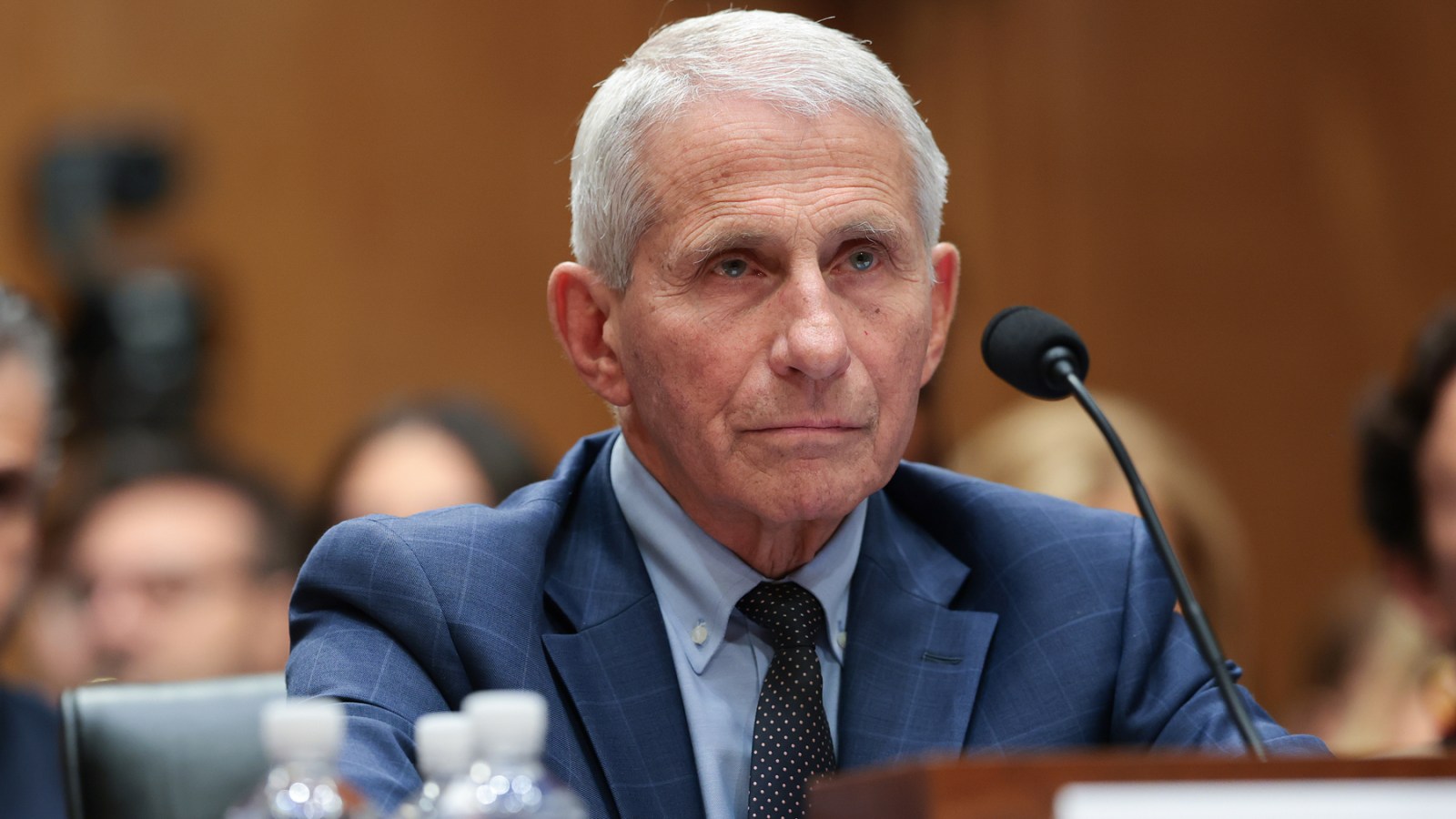
Anthony Fauci invoked the Fifth Amendment at a Senate hearing Wednesday, refusing to answer questions from lawmakers as Sen. Rand Paul pressed the former top infectious-disease official over the Covid-19 pandemic response.
Fauci, the former director of the National Institute of Allergy and Infectious Diseases, appeared before the Senate Homeland Security and Governmental Affairs Committee in Washington on July 29. Paul, who chairs the committee, led the questioning.
In his opening statement, Fauci said Paul had an “obvious obsession with calling for my prosecution” and argued that the hearing was designed to produce remarks that could support Paul’s past calls for him to be jailed.
Fauci said that, on the advice of his attorneys, he would rely on his constitutional right under the Fifth Amendment and decline to answer the committee’s questions. He also said the decision pained him because of his respect for Congress and his past cooperation with lawmakers.
Why did Fauci invoke the Fifth Amendment?
The Fifth Amendment protects people from being compelled to give testimony that could incriminate them. Fauci told senators he believed Paul’s public statements about prosecution made it necessary for him to refuse questioning under that protection.
During Paul’s time questioning Fauci, the doctor repeatedly referred back to that constitutional right rather than provide answers.
Paul then warned Fauci that the committee would consider what action to take after the hearing. He said obstructing a congressional investigation is against the law and told Fauci there would be “repercussions” for refusing to testify.
The exchange marked another hostile public encounter between Fauci and Republican lawmakers who have targeted him over the federal response to Covid-19. Fauci has testified before Congress multiple times in the past about the pandemic and the government’s handling of it.
Rolling Stone reported that Republicans have promoted a range of claims about Fauci and Covid-19, including accusations that he helped fund the development of the disease, that he bears personal responsibility for pandemic deaths, and that he was involved in censorship of misinformation about the virus.
What did Trump say before the hearing?
President Donald Trump weighed in on Truth Social on Wednesday morning, writing that more people died of Covid during the Biden administration than during his own. Trump said he “inherited Fauci,” who had been in government since the 1980s, and claimed he relied on him less over time.
Trump also criticized Fauci over masking and said he let governors decide how to handle shutdowns. He wrote that Republican governors did a better job than Democratic governors, using a mocking spelling for Democrats in the post.
Trump has called for investigations or prosecutions of Fauci and other Biden-era officials, according to the report. He has also revoked security details for several people he views as political opponents since returning to the White House.
Biden’s pardon still hangs over the fight
Before leaving office in 2025, former President Joe Biden issued a blanket pardon to Fauci and other public officials who had drawn criticism from the incoming Trump administration.
In that statement, Biden said the pardons should not be treated as proof of wrongdoing or as an admission of guilt by anyone who accepted them. He said politically motivated investigations could damage the lives, safety and finances of the people targeted and their families.
The pardon does not stop Congress from summoning Fauci to testify. Wednesday’s hearing showed that the political battle over the pandemic, and Fauci’s role in it, is still very much alive on Capitol Hill.
This story draws on original reporting from Rolling Stone.