Gregg Allman doc traces the bruises behind a Southern rock survivor
James Keach’s new film uses archival Allman interviews and family accounts to revisit loss, addiction, fame and the music that carried him.
By Georgia Hale · Staff Writer
4 min read
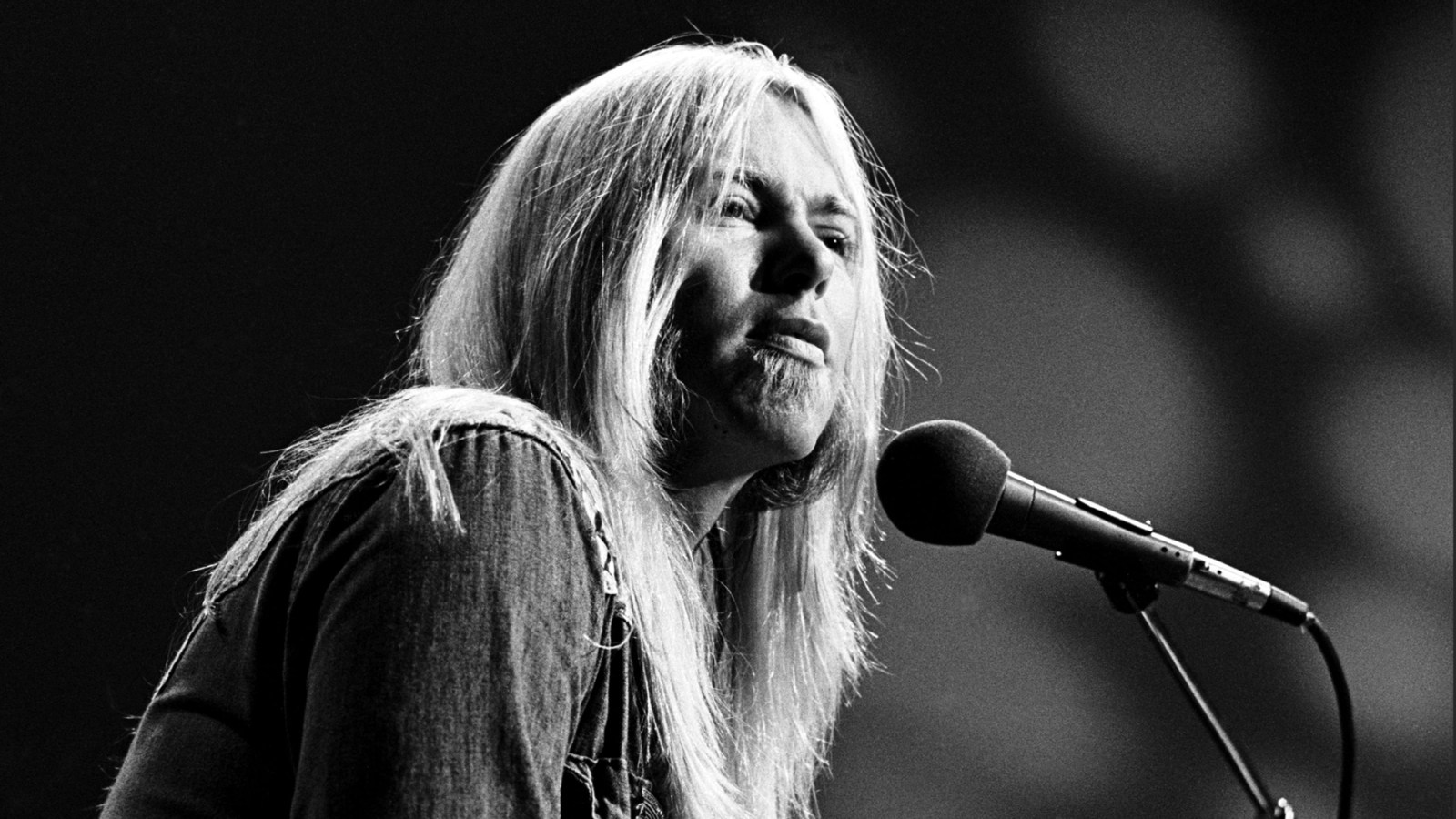
Gregg Allman was still talking to the ghost of his brother in 2014, three years before his death, according to a new documentary about the Allman Brothers Band frontman.
Gregg Allman: The Music of My Soul, directed by James Keach and made in association with Rolling Stone Films, became available digitally on July 21, Rolling Stone reported. The film uses previously unseen interviews with Allman, including a 2014 conversation, plus new interviews with his children, former wives, fellow musicians and Allman Brothers Band drummer Jaimoe, the last surviving original member of the group.
The film revisits the brutal mythology around the band: Duane Allman’s death in a motorcycle crash in 1971, just as the group was breaking nationally after At Fillmore East, followed a year later by bassist Berry Oakley’s death in another motorcycle crash. Rolling Stone reports that the documentary does not skip the band’s drug problems, legal troubles, breakups or the tensions that ended with guitarist Dickey Betts leaving in 2000.
Keach’s film, though, centers Gregg Allman as a figure who kept moving through it all.
A childhood wound that lingered
The documentary says Allman was 2 when his father was killed by a hitchhiker. His mother later enrolled in college to support the family and had to live on campus, leading Gregg and older brother Duane to spend third and fourth grade in military school.
Galadrielle Allman, Duane’s daughter, says in the film that the experience hurt Gregg and left him feeling abandoned, according to Rolling Stone.
Music cracked the world open for the brothers at Nashville Municipal Auditorium, where they saw Jackie Wilson and Otis Redding. Allman says in the film that his and Duane’s lives changed inside that venue after years of listening mostly to acts such as the Beach Boys and the Ventures.
The band’s sound came from R&B heroes
The Allman Brothers Band’s two-drummer setup came from Duane, Jaimoe says in the documentary. According to Jaimoe, Duane pointed to James Brown and Otis Redding, both of whom used two drummers. Jaimoe added that he had played in Redding’s band with that arrangement.
The film also credits promoter Bill Graham with helping the group early on. In archival comments, Gregg Allman says Graham genuinely liked the band and was more than a club owner, Rolling Stone reported.
A solo career born from a band rejection
Allman’s 1973 solo album Laid Back followed a fight over “Queen of Hearts,” according to the documentary. Allman says his bandmates were unimpressed when he brought them the song, prompting him to leave and make his first solo record. He says the album shipped gold.
The film also digs into Allman’s private life. He was married seven times, including to Cher from 1975 to 1979. Warren Haynes, his later Allman Brothers bandmate, says Allman disliked being alone and that it may help explain the repeated marriages. Allman says in the 2014 interview that he felt partners loved him as he was and then tried to change him.
Alcohol and the Hall of Fame low point
Allman says in the documentary that by the 1990s he was drinking about a quart of vodka a day and suffered delirium tremens when he stopped. He described alcohol withdrawal as producing the feeling of bugs crawling on him.
The Allman Brothers Band’s Rock & Roll Hall of Fame induction on Jan. 12, 1995, became a turning point. Willie Nelson inducted the group, but Allman says he was so impaired that he could barely speak. He says Nelson asked if he was all right, and Allman replied that he was not.
After seeing footage of the ceremony days later, Allman says he cried and realized he did not know how to stop. He says he went to 14 rehabs and did not go to a fifteenth. The documentary says he later hired a male nurse and quit heroin, cocaine, alcohol and cigarettes.
Duane remained present in Gregg’s life to the end, according to the film. Allman says in the 2014 interview that he often felt Duane’s presence while performing and that it gave him strength.
This story draws on original reporting from Rolling Stone.