Haitian TPS ending leaves more than 300,000 facing deportation risk
More than 300,000 Haitians lost TPS protections after a Supreme Court ruling, putting families and employers on alert for immigration enforcement.
By Poppy Nakagawa · Culture Writer
3 min read
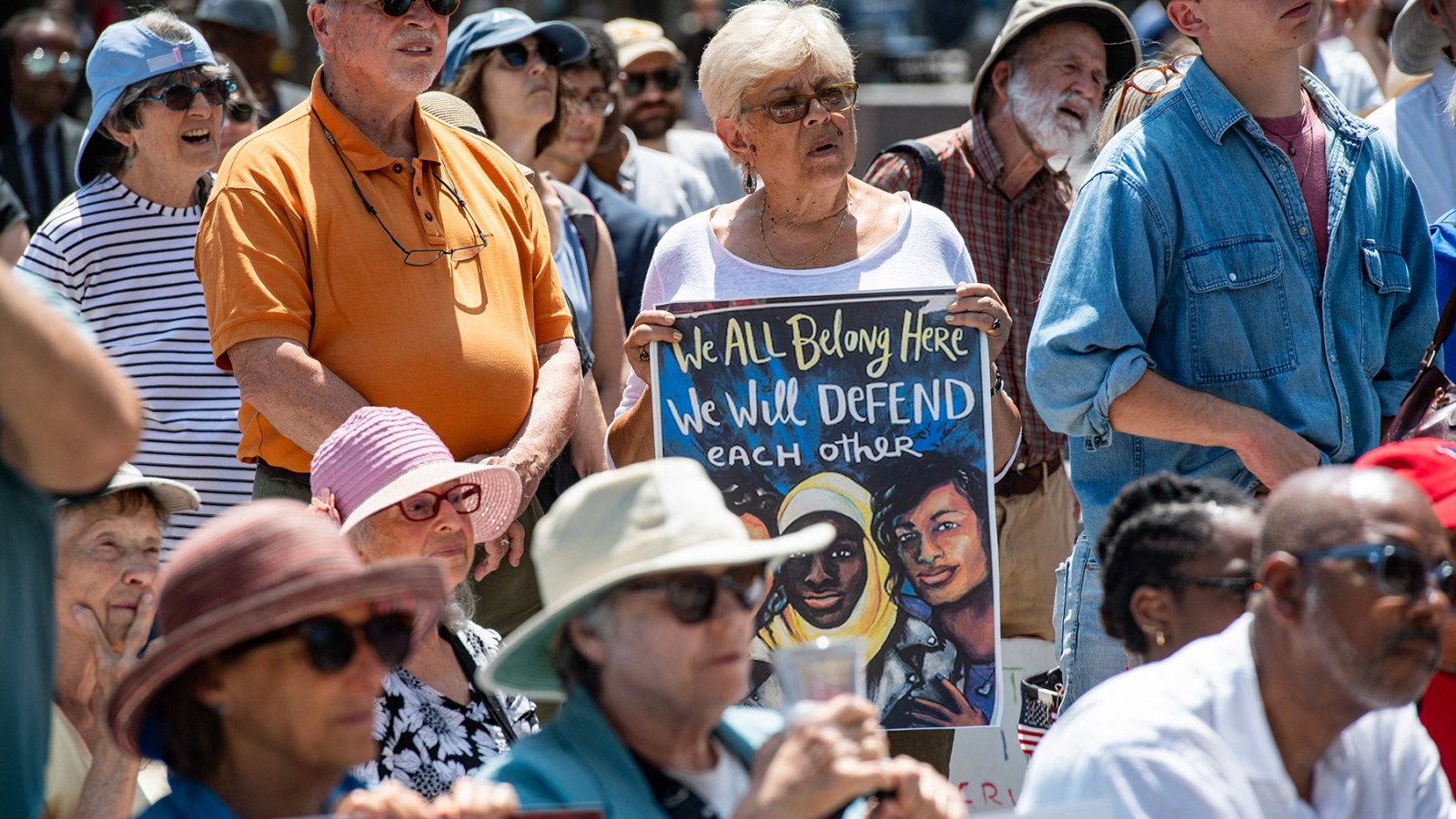
More than 300,000 Haitian immigrants lost Temporary Protected Status on Monday, with the Haitian TPS ending after the Trump administration won a Supreme Court ruling that cleared the way to remove the designation, Rolling Stone reported.
The change means affected Haitians can no longer legally live and work in the United States under TPS, the immigration protection created in 1990 under President George H.W. Bush for people whose home countries are considered unsafe because of crises such as war, disaster or political turmoil.
Haitians have been eligible for TPS since 2010, after an earthquake in Haiti killed more than 300,000 people. The Trump administration has pressed to end the status despite the State Department continuing to warn that Haiti’s political instability and gang violence pose serious risks to travelers, according to Rolling Stone.
Why is Haitian TPS ending now?
The Supreme Court ruled 6-3 in late June that lower federal courts did not have authority to block the administration from ending TPS designations, Rolling Stone reported. Justice Samuel Alito wrote for the majority that the statute creating TPS did not provide for judicial review of decisions to start or terminate the protection.
A federal appeals court had extended the deadline for Haitian TPS protections until July 27, according to the report. With that deadline passed, Haitian communities are preparing for the possibility of immigration enforcement.
Murad Awawdeh, president and CEO of the New York Immigration Coalition, told Rolling Stone that Haitian families have been warning advocates about the hardship they expect. “Unfortunately, there is no other option for these people,” he said.
In New York City, where Rolling Stone reported about 40,000 Haitian immigrants live, Awawdeh said Immigration and Customs Enforcement had already been seen making reconnaissance trips around Flatbush, a Brooklyn neighborhood with a large Caribbean community.
Awawdeh said families should speak with immigrant support groups and trusted immigration lawyers, learn their rights and make plans in case relatives are arrested or detained.
Who else could lose TPS?
The administration’s push is not limited to Haitians. Rolling Stone reported that TPS protections are also expected to end for Syrian refugees and Salvadoran immigrants in the coming weeks and months.
The Supreme Court decision also covered Syrians, and the court’s June action backed the administration’s move to strip protections from roughly 350,000 Haitians and 6,000 Syrians, according to the report.
The White House defended the decision after the ruling, saying in a statement that the Biden administration had used TPS as “a backdoor amnesty” and that the “loophole is finally closed.”
Some Republicans have objected to ending the protection. Rep. Carlos Giménez of Florida, whose state has a large Haitian population, told NBC Miami that he did not see a change in Haiti’s political situation and said Haiti and Venezuela were examples of why TPS exists.
Awawdeh told Rolling Stone that the loss of status could be felt beyond immigrant families, including in hospitals, home health care and construction, where immigrant workers play a visible role.
He also argued that both major parties have failed immigrant communities over many years, saying Republicans often use harsh rhetoric while Democrats help put restrictive policies into law.
This story draws on original reporting from Rolling Stone.