Instagram Meta glasses videos face takedowns over harassment
Adam Mosseri says Instagram will remove smart-glasses clips that harass or exploit people, including pickup and prank videos.
By Georgia Hale · Staff Writer
4 min read
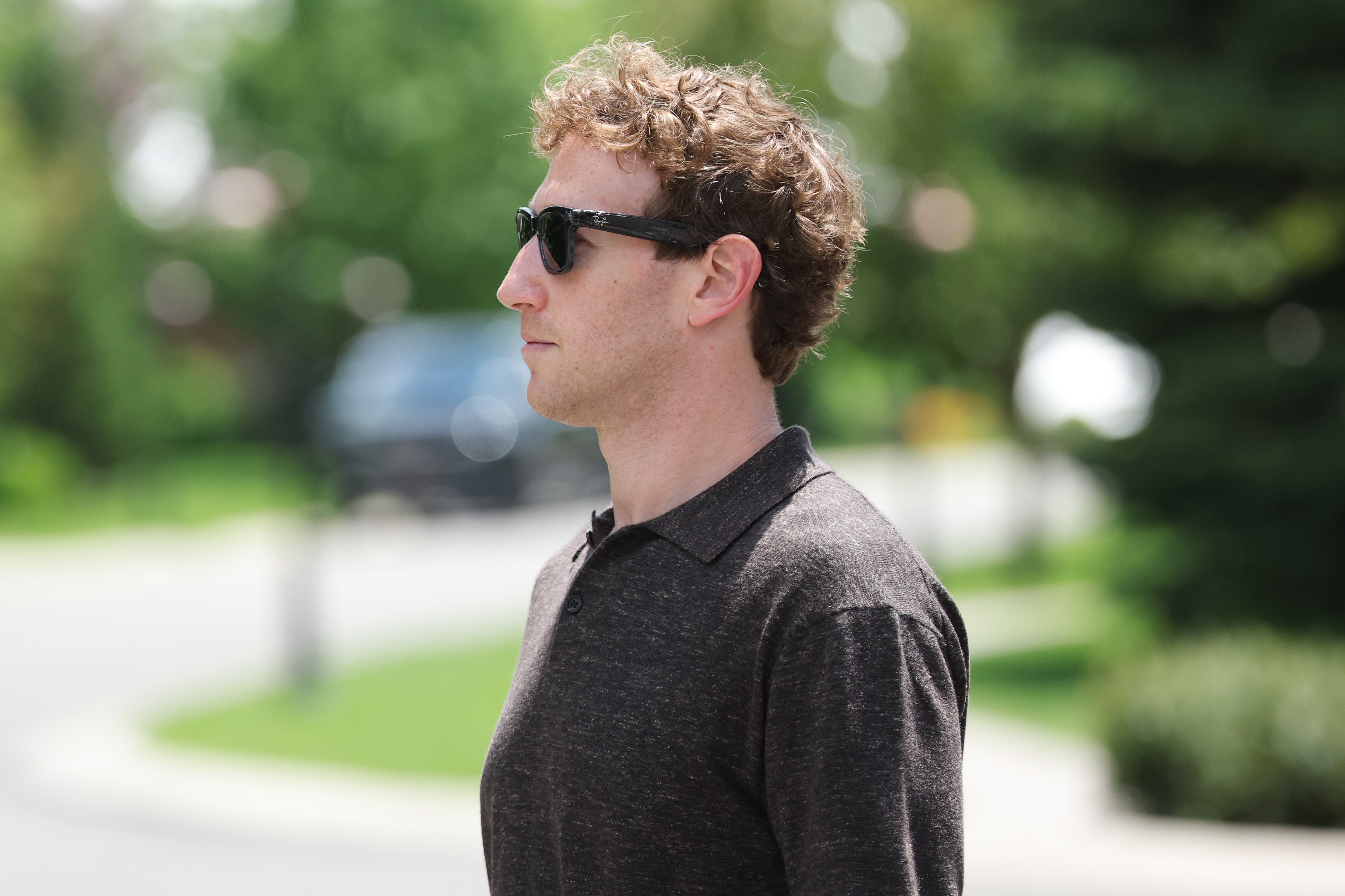
Instagram Meta glasses videos that show people being harassed or exploited are now in the platform’s firing line, according to Instagram head Adam Mosseri.
In an Instagram Story first reported by Business Insider, Mosseri said Instagram would take down clips made with smart glasses when users secretly record people and turn the footage into harassing content. He pointed to pickup-line videos as one example of the kind of material the company does not want on the platform.
The crackdown covers content where creators approach people who may not know they are being recorded, as well as prank clips aimed at cashiers, fast-food workers and other employees, according to the reporting.
Instagram has already removed two pickup-artist accounts that used smart glasses to record women in public, Business Insider reported. Both accounts had more than 1 million followers. Meta confirmed the removals were for violations of its policy against harassing content, but did not say when the accounts were taken down.
What is Instagram changing about Meta glasses videos?
Instagram is saying smart-glasses footage can be removed when it shows harassment or people being taken advantage of. Meta has not said how moderators will decide exactly when an interaction crosses that line, or how many posts and accounts have been removed so far.
The policy issue has grown with Meta’s wearable cameras. Meta introduced Ray-Ban smart glasses in 2021 and has since expanded the line through partnerships involving Oakley and Kylie Jenner, according to company announcements and reporting.
Depending on the model, the glasses can shoot photos and video, play audio, place calls and use Meta AI to respond to requests. Meta has also made it easy to send smart-glasses footage to Instagram, where some posts are labeled “Made with Meta Ray-Ban.”
Meta says the glasses use a small white LED light on the front to signal when the camera is active. In a July 7 explainer, the company said second-generation glasses shut off the camera if they detect that the light has been covered.
That safeguard followed reports about people interfering with the recording indicator. Journalist Joanna Stern reported that people in at least 30 states were offering to tamper with the light as a service. Meta has said it removes ads, posts and Marketplace listings that offer Meta Ray-Ban tampering.
Why are Meta smart glasses raising privacy concerns?
Smart glasses can record from the wearer’s point of view without the obvious gesture of holding up a phone. That has helped fuel accounts built around pickup attempts, pranks and “troll” videos involving people who did not appear to know they were becoming content, according to Mashable’s reporting.
Mashable reported examples involving creators recording attempts to get women’s phone numbers in gyms, airports, bars, stores and on public streets. In April, one woman found a video online showing a man asking for her number through smart-glasses footage and said it had been posted after she refused permission.
Other reported clips have involved retail and restaurant workers. Mashable cited one recurring prank where creators sprayed a foul-smelling substance on a candle and asked Walmart shoppers or employees to smell it. Another video showed a creator placing fake feces in a fast-food restaurant bathroom, then asking a cashier to inspect it.
404 Media reported that one creator recorded massage-parlor visits and used sexually suggestive captions to promote explicit pay-per-view footage. Mashable reported another Instagram page built around filming women’s bodies without consent. After Mashable sent those examples to Meta in January 2026, the company disabled both accounts for violating its adult sexual exploitation policy.
Former prank creator Brad Podray, previously known online as Scumbag Dad, told Mashable in January that prank creators often target women and service workers because they are more likely to give usable reactions and less likely to push back.
Meta said in an October 2025 statement that people should not use the glasses for harassment, privacy violations or capturing sensitive information. The statement followed a University of San Francisco campus safety advisory after multiple women reported unwanted comments and inappropriate dating questions from a man wearing Ray-Ban Meta glasses. The university said he may have been recording for pickup-artist accounts on Instagram and TikTok.
Meta says its smart glasses also have everyday and accessibility uses, including recording travel, sports and concerts, making calls, sending messages, translating conversations and helping blind or visually impaired users identify objects, read labels and describe surroundings.
This story draws on original reporting from Mashable.