James Ford solo album was written during leukemia treatment
The Arctic Monkeys producer made Lost in Another World in hospital isolation while being treated for acute myeloid leukemia.
By Poppy Nakagawa · Culture Writer
3 min read
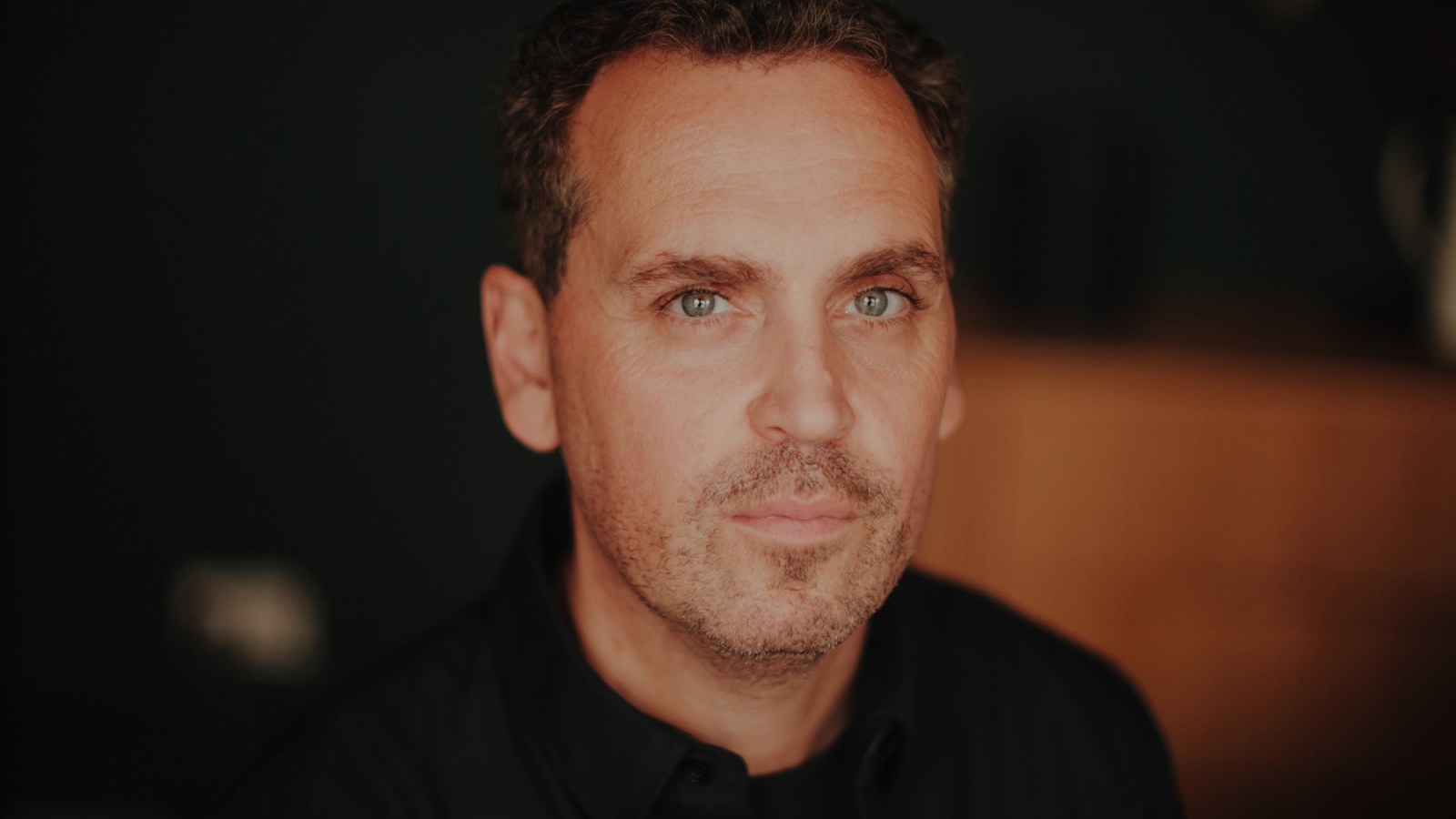
The James Ford solo album Lost in Another World began in a London hospital room, Rolling Stone reports, where the Arctic Monkeys producer was being treated for acute myeloid leukemia.
Ford, who has worked on every Arctic Monkeys album since 2007’s Favourite Worst Nightmare, told Rolling Stone that music was the first thing he wanted once he had enough strength to think creatively again. He said the period when he felt too ill to make music frightened him because making records is tied to his identity and mental health.
According to Rolling Stone, Ford’s wife, Sereen, brought a basic recording setup and an IKEA table to St. Bartholomew’s Hospital. Ford was being kept in isolation to protect his immune system during treatment, and the setup let him write and record from the ward.
The result is Lost in Another World, due Aug. 14 and released under his full name, James Ellis Ford. Rolling Stone reports that the album was written and recorded across two weeks last year.
What is James Ford’s new album about?
Ford told Rolling Stone the record captures one of the hardest periods of his life, while also carrying gratitude for the support he received. One song, titled “Did You Ever Want to Go to Your Own Funeral?,” came from his reaction to messages from friends, loved ones and people from his past, he said.
He described that wave of contact as a rare chance to feel people’s affection while still alive. Ford told Rolling Stone the illness brought some of the darkest and brightest moments he has experienced.
The album is also bringing him back to a place he is not eager to revisit for long. Ford said rehearsing the songs and discussing the illness in interviews has pulled him back into the hospital experience. He added that, like many records he has recently finished, he does not feel ready to listen back without judging choices he might have made differently.
Ford also said he is still living with uncertainty because there remains a chance of relapse. He told Rolling Stone that staying mentally close to what happened may be healthy, rather than acting as if everything is settled.
How did recording in hospital change his process?
Ford told Rolling Stone the hospital recordings taught him that he did not need a room full of equipment to make a record. With a microphone, chords and a few simple sounds, he found the limits oddly freeing.
He said isolation, the stripped-back setup and the intensity of treatment created conditions where the songs arrived quickly. Ford told Rolling Stone he wrote without trying to please an audience, partly to cheer himself up and partly to send proof of life to his father and friends.
Hospital staff were aware of the unusual recording sessions, Ford said. He told Rolling Stone his consultant was a music fan, and that nurses sometimes came in quietly to take blood while he had headphones on.
Ford said the illness has left him more selective about his work and more aware of balance in his life. He told Rolling Stone he did not come away wanting to overhaul everything, but he is trying to hold on to the clarity that came from facing serious illness.
This story draws on original reporting from Rolling Stone.