Where kids are being pushed off social media by law
Australia started the under-16 crackdown, and governments from Europe to Asia are now copying, tweaking or debating their own versions.
By Bianca Rossi · Entertainment Editor
3 min read
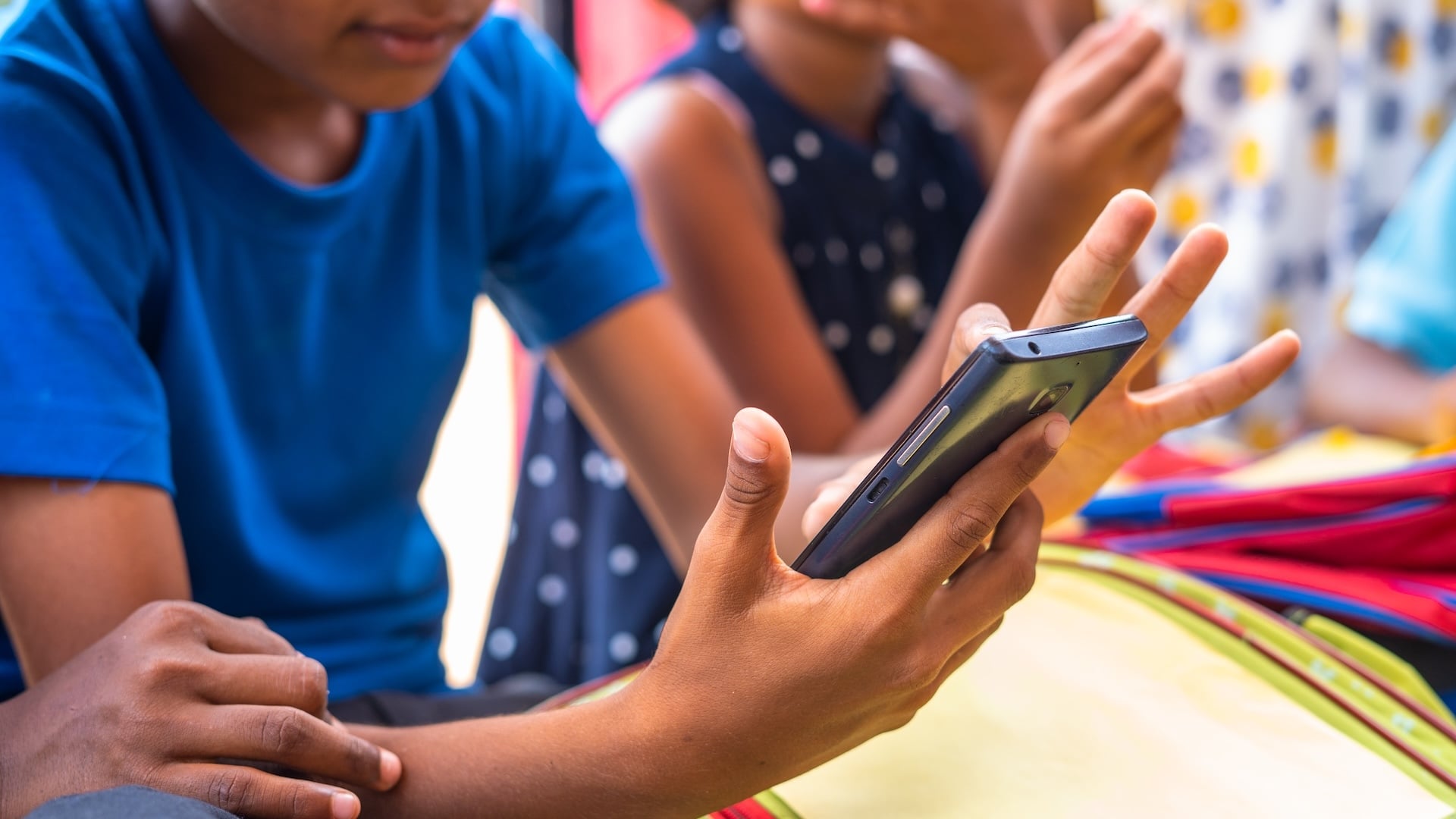
A wave of child social media bans is spreading fast, with Australia setting the template and a growing list of governments trying to force platforms to check ages, limit risky features and keep younger users out.
The stated reasons vary by country, but governments have pointed to child sexual exploitation, cyberbullying, self-harm, mental health concerns, violent material, porn and addictive design. Critics have also challenged these laws over privacy, free speech and whether age checks work.
Where bans are already in force
Australia became the headline case with its Online Safety Amendment (Social Media Minimum Age) Act, which applies to children under 16. The law requires platforms including TikTok, Instagram, Facebook, YouTube, X and Snapchat to use age verification and take “reasonable steps” to stop under-16s from opening accounts. A July 2026 study by Australian government advisers found the ban ineffective so far, and Reddit is suing over it.
Brazil’s Digital Statute of Children and Adolescents took effect in March 2026. It requires under-16s to connect social media accounts to a legal guardian, makes platforms verify ages for adult content, and restricts features designed to keep children online longer, including autoplay videos.
Malaysia’s Online Safety Act 2025 came into force on Jan. 1, 2026, with enforcement ramping up on June 1, according to NBC News. The law requires age verification and bars under-16s from creating accounts on platforms with at least 8 million users, including YouTube, TikTok, Instagram and Facebook. It also targets features that prolong children’s time online.
Turkey passed a bill on April 23, 2026, blocking under-15s from social media, according to the Associated Press, citing state media. The measure requires age checks, faster company responses to “harmful” content and wider parental controls.
Where bans are coming or close
France is poised to become the first European country to enact a national ban of this kind. After a government compromise on July 20, 2026, Le Monde reported that under-15s would be blocked from making new accounts from Sept. 1, with existing accounts covered from January 2027.
The UK government confirmed on June 15, 2026, that it plans an under-16 ban using Australia’s model. It also said the rules could later reach livestreaming and gaming platforms.
Canada announced the proposed Safe Social Media Act on June 11, 2026. The bill would ban under-16s from social media accounts, require age verification and apply safety duties to platforms including TikTok, YouTube and Instagram, as well as companies using AI chatbots such as ChatGPT, Gemini and Claude.
Indonesia announced on March 6, 2026, that children under 16 would be barred from social media. The BBC reported that communications and digital affairs minister Meutya Hafid said under-16 accounts on “high risk” platforms, including YouTube, TikTok, Facebook, Instagram, Threads, X, Bigo Live and Roblox, would be deactivated by the end of March.
Who is still drafting, debating or weighing it
Austria announced a bill in March 2026 to ban social media use for under-14s, with a draft planned by summer. Its proposal also adds a compulsory school subject, “Media and Democracy,” covering disinformation and radicalisation.
Denmark announced plans on Oct. 8, 2025, for a ban on under-15s. The Associated Press reported the law could arrive in 2026, with reports suggesting parents may be able to approve use from age 13.
The European Union is considering restrictions for under-13s after European Commission president Ursula von der Leyen presented an online child safety report on July 13, 2026. The recommendations include age-appropriate restrictions, parental supervision and demands that platforms prove their services do no harm.
Greece plans an under-15 ban from Jan. 1, 2027, if passed. Prime Minister Kyriakos Mitsotakis cited sleep problems, anxiety and addictive app design in a TikTok video translated by the BBC.
Poland, Slovenia and Spain have all announced proposed bans for children under 15 or 16, according to Bloomberg, Reuters, the BBC and CNN reports cited in the coverage. Germany has not introduced a ban but is considering one, while Thailand has not announced a ban but is debating the idea.
This story draws on original reporting from Mashable.