L7’s 1994 moment was lobster, Lollapalooza and loud guitars
A newly resurfaced 1994 Rolling Stone profile catches L7 as Hungry for Stink, Rock for Choice and Lollapalooza pushed the band higher.
By Georgia Hale · Staff Writer
3 min read
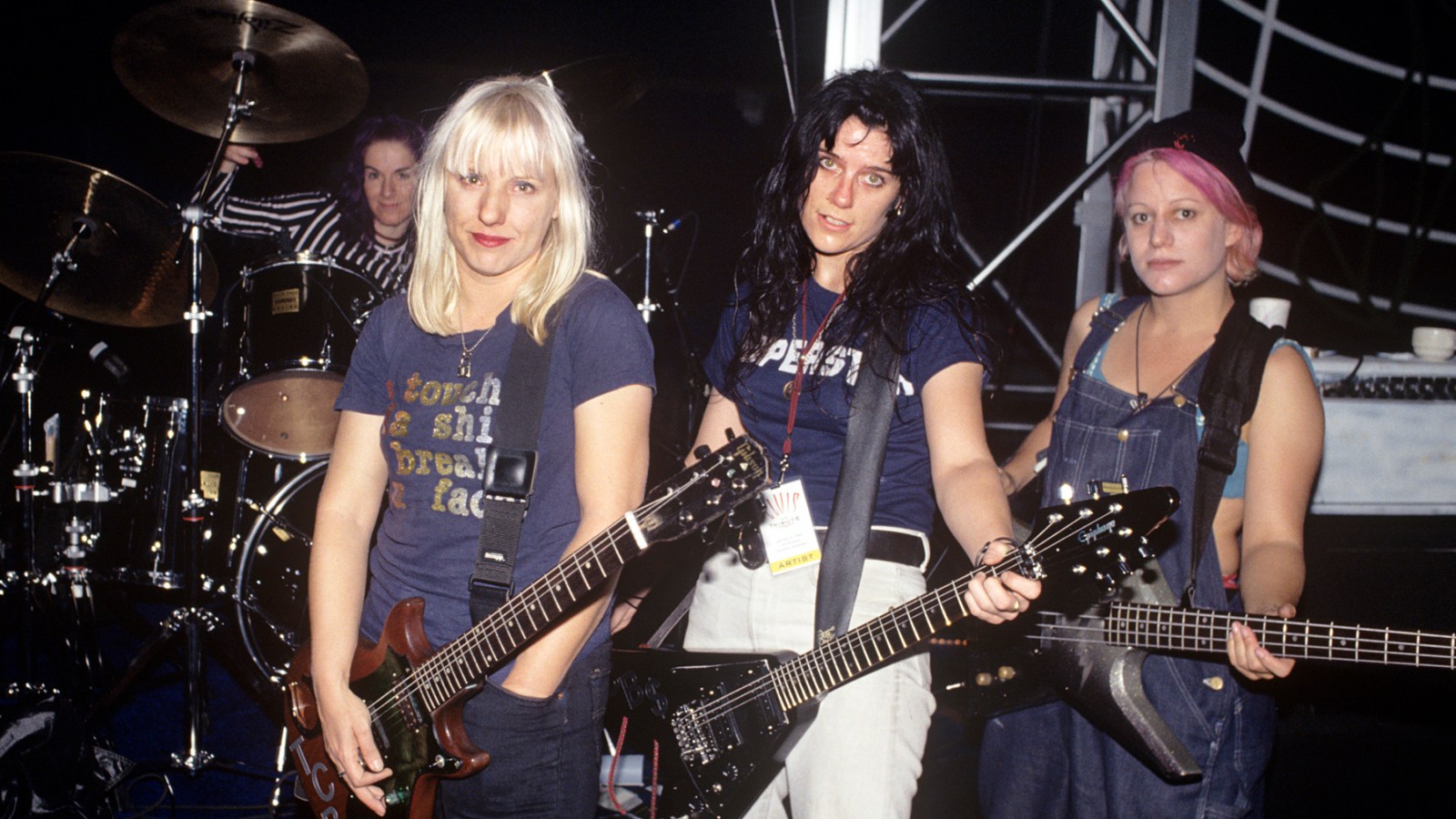
L7 were eating lobster on the Santa Monica beachfront when Rolling Stone’s Daina Darzin caught them in 1994, and Donita Sparks had a practical explanation: after signing to a major label, the band made label meetings come with shellfish.
The profile, originally published in Rolling Stone’s Aug. 11, 1994, issue and now republished, freezes the Los Angeles punk band at a sharp turning point. Sparks, guitarist Suzi Gardner, bassist Jennifer Finch and drummer Dee Plakas were heading into a Lollapalooza summer while promoting Hungry for Stink, the follow-up to the album that had pushed them far beyond underground clubs.
Darzin described a band still rooted in old-school punk, citing the influence of groups including the Ramones, Sex Pistols and X. The piece frames L7’s sound around raw guitars, blunt lyrics and a band identity that resisted the neat tags being hung on women in rock during the grunge and riot grrrl boom.
Finch told Rolling Stone that turning gender into a genre was “horrible” to her, adding that she hoped L7 would eventually be covered the way bands such as Nirvana or Cracker were covered. She acknowledged there was something distinct about being women in rock, but said it was not the whole story.
From punk rooms to bigger stages
According to the profile, L7’s early rehearsals in the mid-1980s took place at the home of Maxine Nazworthy, the Max Factor heiress who supported a circle of Los Angeles punk acts. Finch, the only native Angeleno in the lineup, called the Beverly Hills rehearsal setup ironic.
Sparks and Plakas came from Chicago, while Gardner grew up in Sacramento. Gardner told Rolling Stone she had known she needed to leave after seeing the rock scene in her hometown. The band’s lineup eventually settled after Sparks and Gardner found Finch and Plakas.
Darzin traced the band’s recorded path from the 1988 album L7 on Epitaph to the 1990 Sub Pop EP Smell the Magic. The breakthrough came with 1992’s Bricks Are Heavy and its single “Pretend We’re Dead,” which the profile said had helped move 250,000 copies and counting.
By 1994, L7 had also stepped into film, playing the band Camel Lips in John Waters’ Serial Mom. Finch told Rolling Stone the group was honored because they had long been Waters fans.
Rock for Choice stayed central
The profile also put L7’s politics up front. Sparks discussed Rock for Choice, the pro-choice organization the band founded in 1991, and said the project had broadened from concerns about the George H.W. Bush administration to more local support for clinic workers.
Sparks told Rolling Stone that Rock for Choice money was being used for surveillance equipment and bulletproof vests for clinic workers, with vests costing about $2,500 apiece. She said benefit concerts around the country raised money for the Fund for the Feminist Majority, though a Pensacola, Florida, show with Pearl Jam brought in little after high production and security costs.
Darzin also revisited the band’s notorious 1992 Reading Festival moment, when Sparks threw a tampon into the crowd. The profile noted that Midol later sent the band free merchandise, while Tampax had not pursued the association.
For all the higher-profile stages, the piece found the band still living close to its scrappy roots. Gardner talked about a 1973 Cadillac needing $2,500 in repairs, Plakas drove an old sticker-covered car, and Finch said her father still drove them to the airport.
The next level was already visible. L7 told Rolling Stone that fans in Brazil and Japan had mobbed them during touring behind Bricks Are Heavy, with the band describing very different fan behavior in each country. The lobster lunch, meanwhile, ended with leftovers wrapped in foil, a rock-star meal with a punk-rock take-home bag.
This story draws on original reporting from Rolling Stone.