LELO Mona Spectra puts red light therapy inside a $299 vibrator
LELO’s Mona Spectra adds red, blue and green LEDs to an internal vibrator, but a dermatologist says intimate benefits remain unproven.
By Poppy Nakagawa · Culture Writer
3 min read
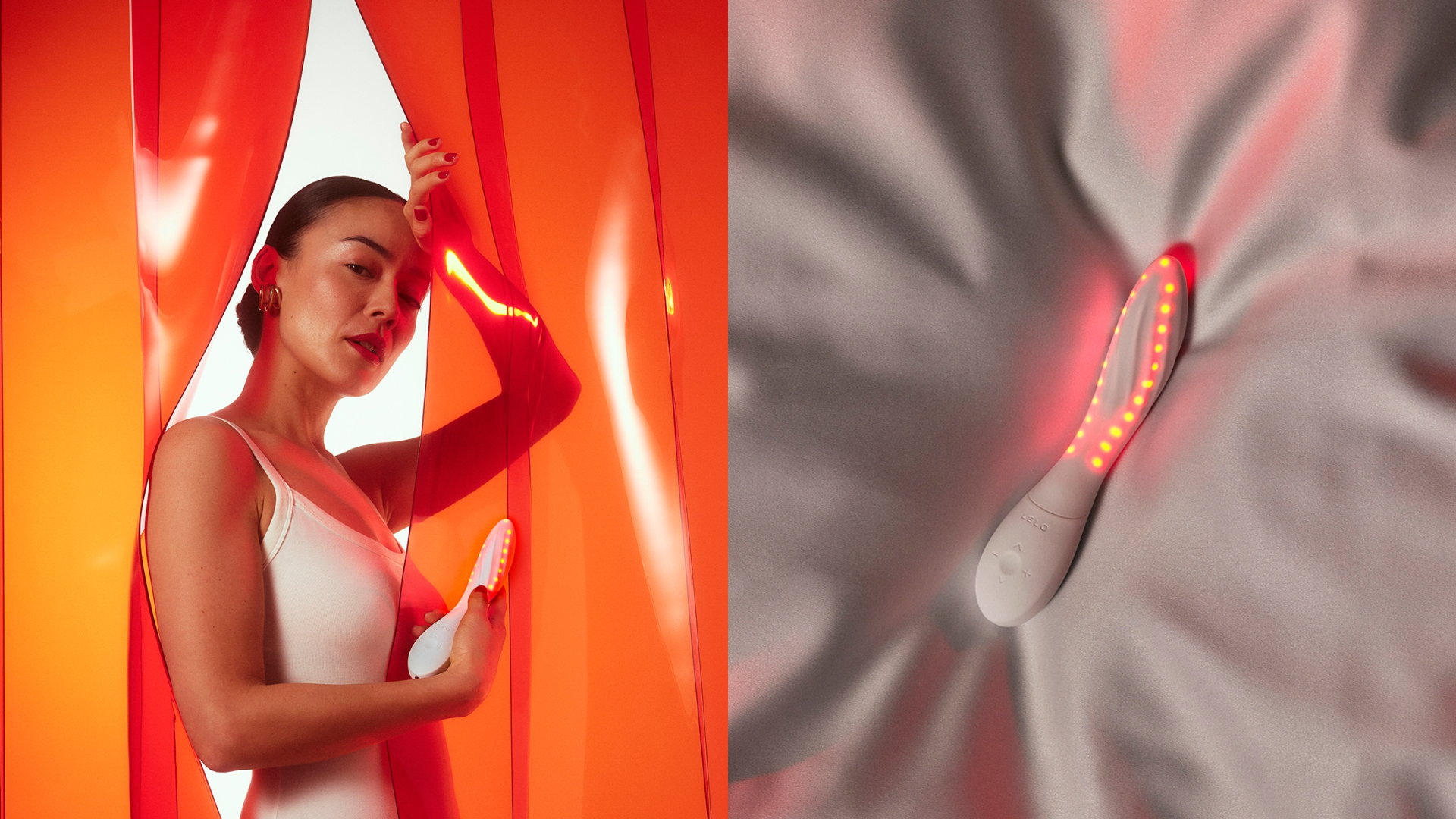
The LELO Mona Spectra brings the red light therapy boom to the bedroom: it is a $299 internal vibrator that the company describes as a “red light intimate wellness massager.”
The device is the newest entry in LELO’s Mona line of G-spot vibrators, according to the company’s product page. Unlike earlier Mona toys, this one includes LED light inside the wand, with red light promoted by LELO as supporting collagen and elastin production, tissue elasticity, natural lubrication and sensitivity.
Dermatologist Shoshana Marmon told Mashable that those intimate-wellness claims stretch past what research has shown so far. Marmon is an assistant professor of dermatology and director of clinical research at New York Medical College, and chairs the American Academy of Dermatology’s Menopause and Women’s Health in Dermatology group within its Division of Science and Quality.
Does the LELO Mona Spectra have proven intimate benefits?
Marmon said the benefits of the Mona Spectra have not been proven. She told Mashable there is no strong evidence that a device like it improves lubrication, tissue elasticity or sexual sensitivity.
Red light therapy has been studied in dermatology for skin rejuvenation, acne, hair growth and wound healing, according to Marmon. She said some studies have shown promise for modest improvement in wrinkles and collagen production, while results depend on the wavelength, dose and device used.
The intimate-use evidence is much narrower. Marmon said limited vaginal research has focused on postmenopausal women with genitourinary syndrome of menopause, or GSM, a condition linked to declining estrogen that can cause vaginal dryness, burning, pain during sex and urinary symptoms.
A few studies suggest red light therapy may help some GSM symptoms or measurements of vaginal health, Marmon told Mashable. She added that most studies were small, lacked a placebo group or centered on urinary incontinence, and that red light has not been meaningfully studied in healthy women without GSM.
What does LELO say about the red light vibrator?
LELO told Mashable that red light technology is backed by a substantial body of documented scientific research. The company pointed to data on certain wavelengths and near-infrared light stimulating collagen and fibroblast production, while also acknowledging that evidence for chronic pain management and athletic recovery is mixed or inconclusive.
The company also said research suggests red light therapy can help with acne and hair loss, an area Marmon also identified as part of existing dermatology research.
LELO told Mashable the Mona Spectra is not a medical device and said it has not made medical claims for the product. The company said the toy was developed using research from reputable institutions, its own research and development department, and testing during product engineering phases to support product safety.
The American Academy of Dermatology says red light therapy appears safe for short-term use, according to Mashable’s reporting.
LELO also said it is tracking customer experience through studies, including one currently underway in Spain. The company described the Mona Spectra to Mashable as a wellness and pleasure product that uses red light technology in a non-hormonal, non-invasive format.
What lights are in the Mona Spectra?
Along with red light, LELO says the Mona Spectra can emit blue and green light. The company says the blue light has an anti-inflammatory function, while the green light has a calming effect on the skin and may help with hyperpigmentation.
The device also emits thermal energy from its LED light, according to LELO’s product page, which the company says helps increase blood flow. Marmon’s bottom line for shoppers was more restrained: the claims may be appealing to early adopters, but the intimate benefits have not been established.
This story draws on original reporting from Mashable.