Moon phase July 26: Waxing gibbous lights up 90% of the lunar face
NASA’s Daily Moon Guide says the July 26 Moon is waxing gibbous, with the next Full Moon due on July 29.
By Georgia Hale · Staff Writer
3 min read
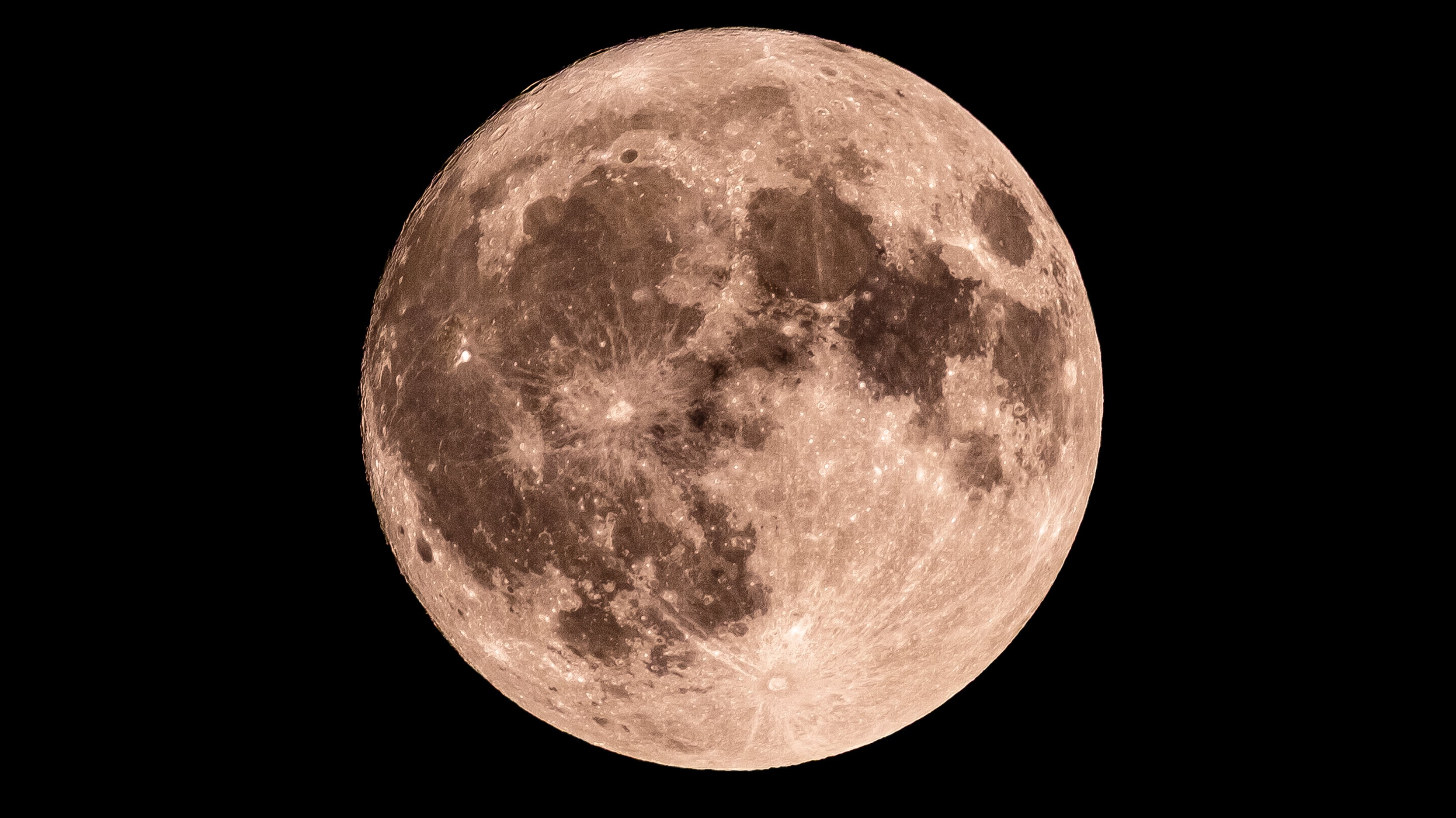
For anyone checking the moon phase July 26 before stepping outside tonight, NASA’s Daily Moon Guide has a clear answer: the Moon is in its waxing gibbous phase, with 90% of its visible surface illuminated.
That means the Moon should look almost full, though the Full Moon has not arrived yet. According to NASA’s guide, the lunar disk is still gaining light as it moves through the current part of its cycle.
What is the Moon phase today?
As of Sunday, July 26, NASA’s Daily Moon Guide identifies the phase as waxing gibbous. In plain terms, waxing means the lit portion is increasing, and gibbous means more than half of the Moon appears illuminated but it is not yet full.
The guide says 90% of the Moon’s surface is visible tonight. Skywatchers do not need special gear to spot several lunar features, though binoculars or a telescope can bring more detail into view.
Without visual aids, observers should be able to see Mare Fecunditatis, Mare Serenitatis and Mare Tranquillitatis, according to the guide. These are large, dark lunar plains visible from Earth.
With binoculars, the guide says viewers can add the Alps Mountains, Archimedes Crater and Gassendi Crater to the list. A telescope brings in still more targets, including the Apollo 12 landing site, Schiller Crater and the Caucasus Mountains.
When is the next Full Moon?
The next Full Moon is set for July 29. Until then, the Moon will continue through the waxing gibbous stage, appearing brighter and fuller as more of the sunlit side faces Earth.
A Full Moon happens when the entire face visible from Earth is illuminated by the Sun. NASA says the Moon’s appearance changes through the month because its position in orbit changes how much of its sunlit surface we can see.
How do Moon phases work?
NASA says the Moon takes about 29.5 days to travel around Earth. During that cycle, it passes through eight phases, shifting from dark to fully lit and back again.
The same side of the Moon faces Earth, according to NASA, but the amount of sunlight falling on the part we see changes as the Moon moves. That changing illumination creates the familiar sequence of crescents, half-Moons, gibbous Moons and the Full Moon.
- New Moon: The Moon is between Earth and the Sun, leaving the side facing us dark.
- Waxing Crescent: A thin bright slice appears on the right side in the Northern Hemisphere.
- First Quarter: The right half of the Moon appears lit.
- Waxing Gibbous: More than half is illuminated, but the Moon is not full.
- Full Moon: The full visible face is lit.
- Waning Gibbous: The lit area begins to shrink on the right side in the Northern Hemisphere.
- Third Quarter, also called Last Quarter: Half the Moon is lit again, this time on the left side.
- Waning Crescent: A slim lit curve remains on the left before the cycle returns to New Moon.
This story draws on original reporting from Mashable.