Moon phase today: July 23 brings a waxing gibbous sky
NASA says the Moon is 58% illuminated on July 23, with the next full Moon due on July 29.
By Bianca Rossi · Entertainment Editor
3 min read
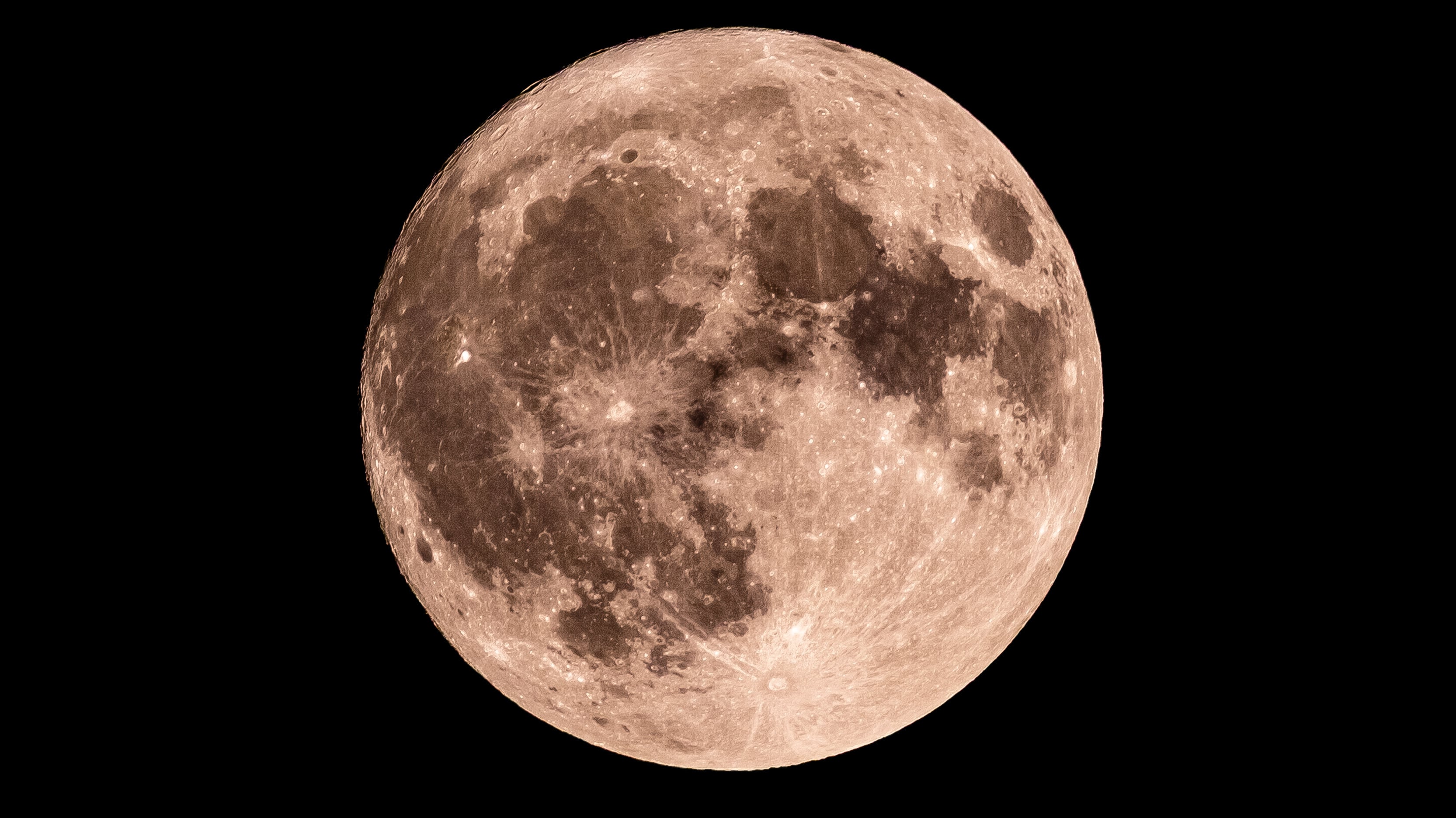
The moon phase today is waxing gibbous, with 58% of the lunar surface visible on Thursday, July 23, according to NASA's Daily Moon Guide.
That means the Moon has passed its half-lit stage and is still gaining light as it heads toward the next full Moon. NASA's tracker places that full Moon less than a week away, on July 29.
What is the moon phase today?
NASA lists the Moon on July 23 as a waxing gibbous Moon. In plain sky-watcher terms, more than half of the side facing Earth is lit, though the Moon has not yet reached its full, round look.
For anyone looking up without gear, NASA's guide says several lunar features can be spotted with the naked eye, including Mare Crisium, Mare Fecunditatis and Mare Tranquillitatis.
Binoculars add more detail. According to the guide, they can help bring Mare Nectaris, Alphonsus Crater and the Alps Mountains into view.
A telescope pushes the lunar tour further. NASA's guide says the Apollo 17 landing site, the Caucasus Mountains and the Descartes Highlands are among the features that can be seen with telescopic help.
When is the next full Moon?
The next full Moon falls on July 29, according to NASA's Daily Moon Guide. A full Moon happens when the Moon's Earth-facing side appears fully illuminated by the Sun.
Between July 23 and July 29, the Moon remains in the brightening part of its cycle. The term waxing means the visible illuminated portion is increasing, while gibbous means more than half of the Moon appears lit.
What are Moon phases?
Moon phases are the changing shapes people see from Earth as the Moon moves around the planet. NASA says the Moon takes about 29.5 days to complete one orbit around Earth, passing through eight main phases during that cycle.
The same side of the Moon faces Earth, according to NASA, but sunlight hits different amounts of that visible side as the Moon travels through its orbit. That changing illumination is what creates the monthly sequence from dark new Moon to bright full Moon and back again.
- New Moon: The Moon is between Earth and the Sun, so the side visible from Earth is dark.
- Waxing Crescent: A thin strip of light appears on the right side in the Northern Hemisphere.
- First Quarter: The right half of the Moon appears lit, giving it a half-Moon look.
- Waxing Gibbous: More than half of the Moon is illuminated, though it is not full yet.
- Full Moon: The Moon's Earth-facing side appears fully lit.
- Waning Gibbous: The Moon begins losing light on the right side in the Northern Hemisphere.
- Third Quarter, also called Last Quarter: The Moon looks half-lit again, with the left side illuminated.
- Waning Crescent: A slim lit edge remains on the left before the cycle returns to new Moon.
This story draws on original reporting from Mashable.