Neill Blomkamp’s AI short draws a chilly fan reception
The District 9 filmmaker’s 13-minute Nightborne uses ByteDance’s Seed 2.0 and digital performances from 32 people who signed likeness deals.
By Bianca Rossi · Entertainment Editor
3 min read
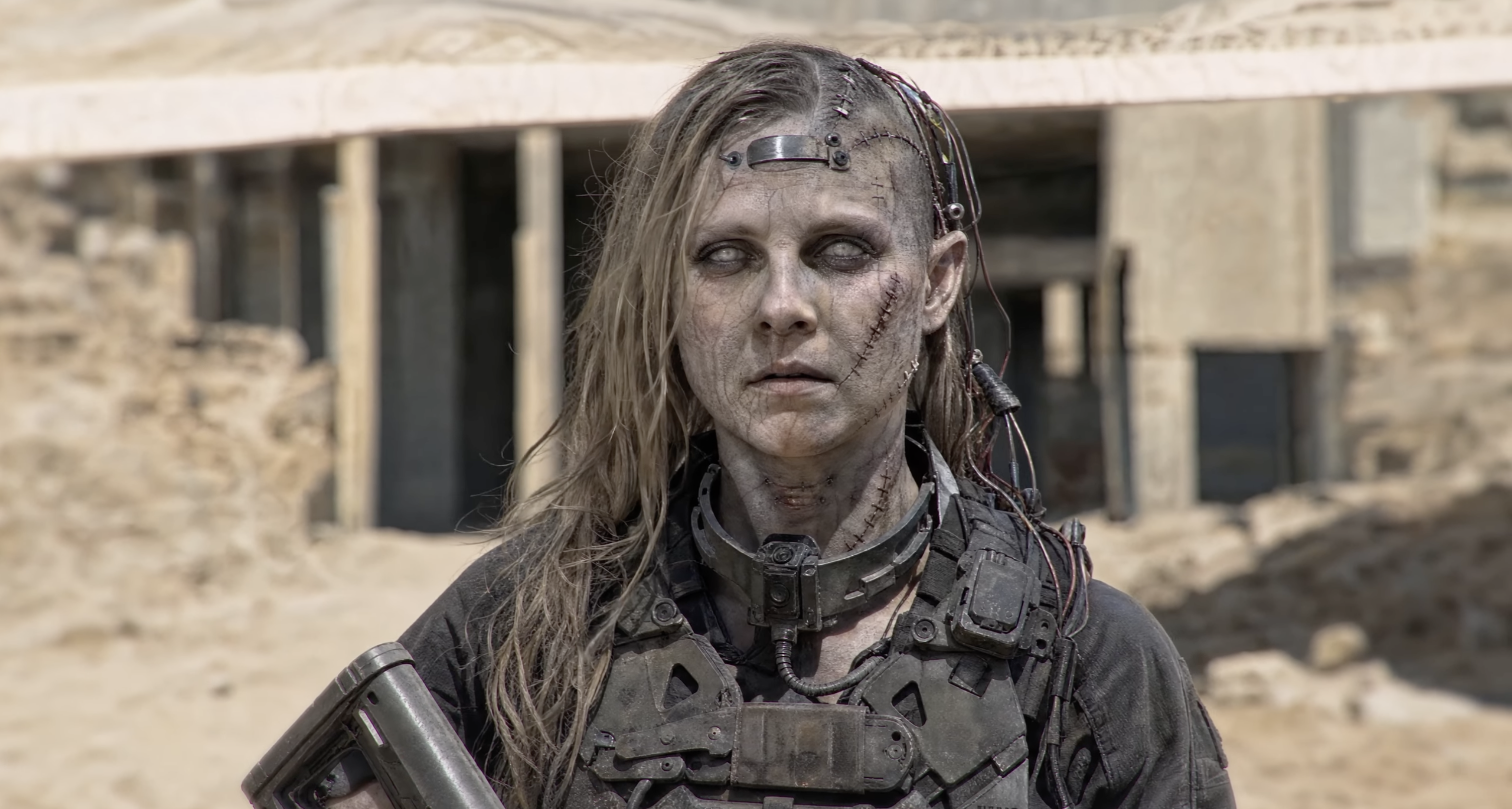
Neill Blomkamp has put out a 13-minute AI-generated short called Nightborne, and a loud chunk of his fanbase is not rolling out the red carpet.
The filmmaker, best known for sci-fi features including District 9, Chappie and Elysium, made the short almost entirely with artificial intelligence. The project was created using ByteDance’s Seed 2.0 video model, according to details attached to the film.
The video’s description says 32 real people signed likeness agreements for the production, allowing their faces and voices to be animated for the short. It also says human artists made the concept art used for the project.
What happens in Nightborne
Nightborne is loosely based on Peter Watts’ 2006 hard sci-fi novel Echopraxia. Its story centers on a U.S. Army pilot who is shot down in the Middle East, declared brain-dead, and then brought back by the military as a mind-controlled super-soldier.
The short also includes scenes involving a journalist talking to a film crew about what he has uncovered, along with scenes focused on the scientist behind the military program.
That setup has fueled some of the backlash. The film uses AI to animate real people’s faces and voices in a story about a human being turned into a controlled weapon, a contrast that many viewers seized on in the comments.
Fans pile on in the comments
Reaction on Blomkamp’s Instagram and on YouTube has leaned heavily negative, with many commenters expressing disappointment in the director’s move into generative AI filmmaking.
One popular YouTube comment mocked the production process: “Guys, be nice to Neill, he spent the entire afternoon prompting this.”
Another commenter wrote: “It's actually impressive how you can throw this much talent at a project, and it still ends up looking like soulless slop.”
The response is especially pointed because Blomkamp built his name on visually distinctive science fiction. District 9 was widely praised, while Chappie and Elysium drew more divided reactions.
Nightborne now puts Blomkamp among high-profile directors experimenting with generative AI in filmmaking. Darren Aronofsky has also been identified with that push, as the film industry debates what role AI-generated video should play in movies.
The backlash lands as audiences continue to support traditional studio spectacle as well. Christopher Nolan’s The Odyssey recently posted an opening weekend above $100 million, while Elon Musk has also been linked to interest in an AI-generated version of the same story.
For now, Blomkamp’s short is being watched as much for what it represents as for what is on screen: a filmmaker known for dystopian science fiction testing a tool that many viewers already see as one of Hollywood’s most divisive new machines.
This story draws on original reporting from Mashable.