New tar sands pipeline plan revives Keystone-style fight
A proposed Alberta-to-Oklahoma oil route could carry up to 1.13 million barrels a day, drawing warnings from tribal and environmental groups.
By Bianca Rossi · Entertainment Editor
3 min read
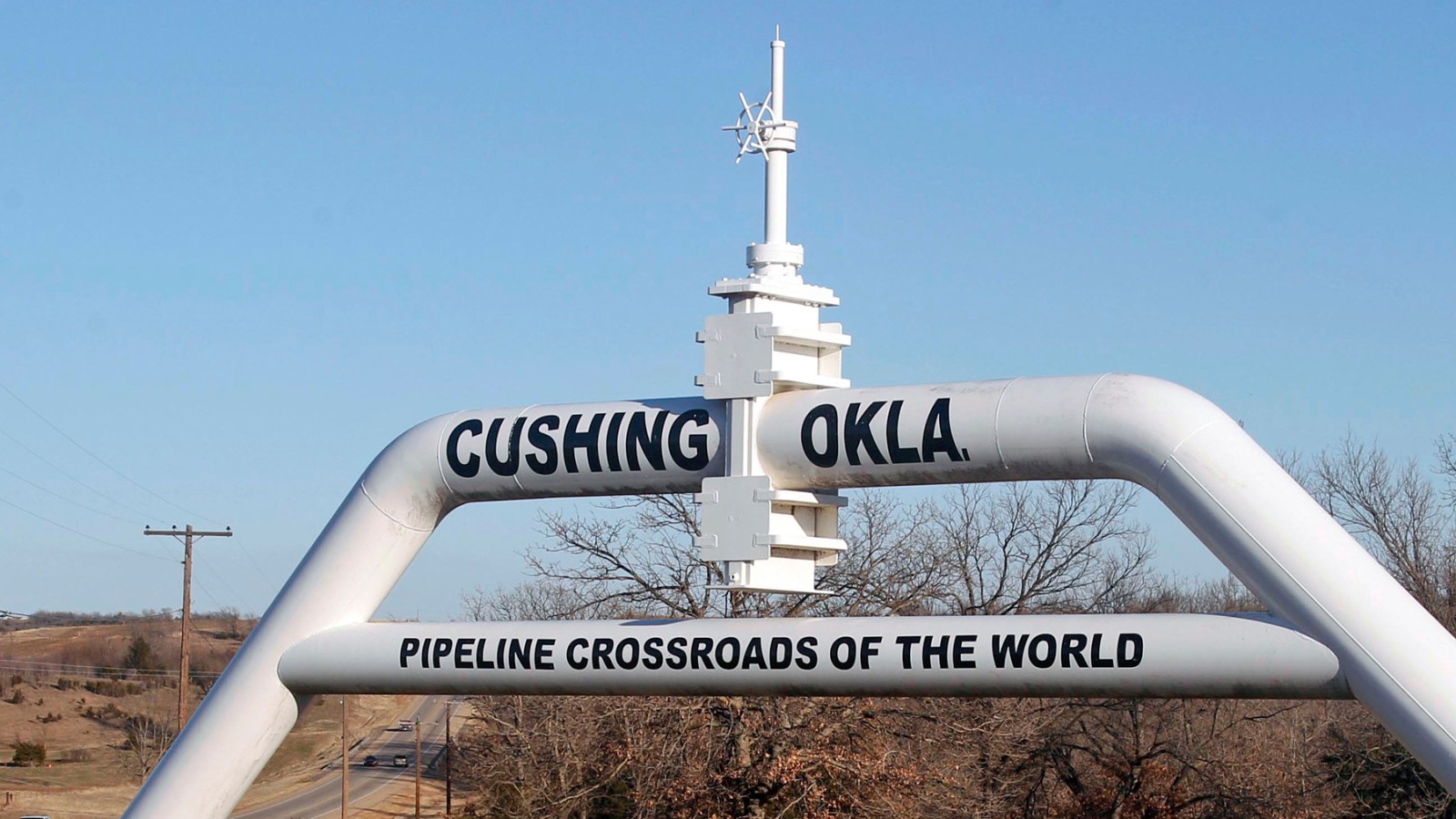
A new tar sands pipeline network proposed from Alberta, Canada, to Cushing, Oklahoma, could move up to 1.13 million barrels of oil per day, according to a Rolling Stone commentary by Krystal Two Bulls of Honor the Earth and Anne Hedges of the Montana Environmental Information Center.
The project is being developed in pieces by U.S.-based Bridger Pipeline and Canada’s South Bow, which was spun off in 2024 from TC Energy, the company previously tied to Keystone XL, according to Two Bulls and Hedges. They argue the route resembles a larger version of the canceled Keystone XL project, though it has been discussed in media under the nickname “Keystone Light.”
The first section, South Bow’s Prairie Connector, would carry crude from Alberta’s oil fields to the Montana border, according to project materials cited by the authors. The second, Bridger Expansion, would run south through eastern Montana to Guernsey, Wyoming. Reuters reported that South Bow and Bridger have also announced plans for a third stretch to carry oil onward to Cushing, Oklahoma.
Bridger initially did not specify the kind of oil the line would carry, according to Two Bulls and Hedges. Yellowstone Public Radio later reported that the company confirmed the project is intended for tar sands oil after reporters sought answers.
Tribal land and water concerns
Two Bulls and Hedges said the middle section could cross unceded hunting territory protected under the Fort Laramie Treaty of 1868 for the Lakota, Northern Cheyenne, Arapaho, Gros Ventre, Assiniboine, Mandan and Arikara Tribal Nations.
They also said the proposed route could affect the Warrior Trail along Highway 212, which includes sites tied to the Black Hills War of 1876. One route would run directly through the Fort Peck Reservation, which they identified as critical sage-grouse habitat.
The authors warned that the line could cross the Missouri River, which feeds Lake Sakakawea, the primary water supply for the Fort Berthold Reservation, home to the Mandan, Hidatsa and Arikara Nations.
As described by Two Bulls and Hedges, the middle section would cross the Yellowstone, Missouri and Poplar rivers in Montana, plus the Little Missouri, Belle Fourche, Cheyenne and North Platte rivers in Wyoming. On federal land, they said, the project would cross streams, rivers and other water features more than 150 times.
Permits and legal threats
The Trump administration issued a cross-border permit for the pipeline in April, according to Two Bulls and Hedges, who said the administration did so without finishing an environmental review, consulting affected Tribes or publicly identifying the oil type.
The project still needs additional state and federal approvals, according to the authors. They said Indigenous, conservation and community groups are preparing to challenge agencies if they do not assess environmental impacts or obtain free, prior and informed consent from affected Tribes.
Pipeline safety is also part of the fight. The Associated Press has reported that Bridger Pipeline is a subsidiary of True Companies, which has had several notable pipeline spills at other facilities, including a 50,000-gallon spill into Montana’s Yellowstone River in 2015 and a 45,000-gallon spill in Wyoming in 2022.
Two Bulls and Hedges also criticized the review process. They pointed to a Bureau of Land Management Federal Register notice saying the agency “may” offer more public participation, including a 30-day comment period on a draft environmental impact statement.
They further said the Montana Department of Environmental Quality granted an undisclosed waiver that appears to have let Bridger omit required information from an application, and said recent public meetings in Montana and Wyoming did not include oral comment opportunities.
This story draws on original reporting from Rolling Stone.