Polymarket World Cup manipulation concerns flagged by sports integrity group
Group of Copenhagen flagged 15 World Cup matches for closer monitoring, including Polymarket activity reported by the New York Times.
By Bianca Rossi · Entertainment Editor
3 min read
Polymarket World Cup manipulation concerns have been flagged in a forthcoming sports integrity report, with the New York Times reporting that some of the irregularities involve trading on the online prediction market.
The Group of Copenhagen, an independent organization that monitors possible manipulation in sports competitions, said it reviewed all 104 matches at the FIFA World Cup. The group found that 15 matches warranted heightened monitoring and also examined 12 major controversies from what it called an integrity risk perspective.
The full report has not yet been released. According to the New York Times, several of the events highlighted by the group concern Polymarket, where users trade on the outcome of real-world events.
Was there Polymarket World Cup manipulation?
The irregularities do not prove that any match was manipulated. Experts interviewed by the New York Times said unusual trading patterns or surprising results can raise integrity questions without showing that wrongdoing occurred.
FIFA has issued its own findings through its integrity work. The organization said it had identified “no suspicious betting activity or indications of match manipulation in connection with any fixture.”
One match cited in the reporting was Spain’s group-stage game against Cape Verde, the first match of the tournament for both teams. The report said $4.8 million was placed on Polymarket on Spain not beating Cape Verde.
The match ended 0-0. Spain entered the tournament as a favorite and later won the championship, while Cape Verde was playing in its first World Cup match.
Another episode centered on U.S. men’s national team striker Folarin Balogun. According to the report, a Polymarket market opened on July 2 asking whether Balogun would play against Belgium.
That same day, Balogun received a red card in the United States’ match against Bosnia and Herzegovina. The red card initially meant he would miss the Belgium match through suspension.
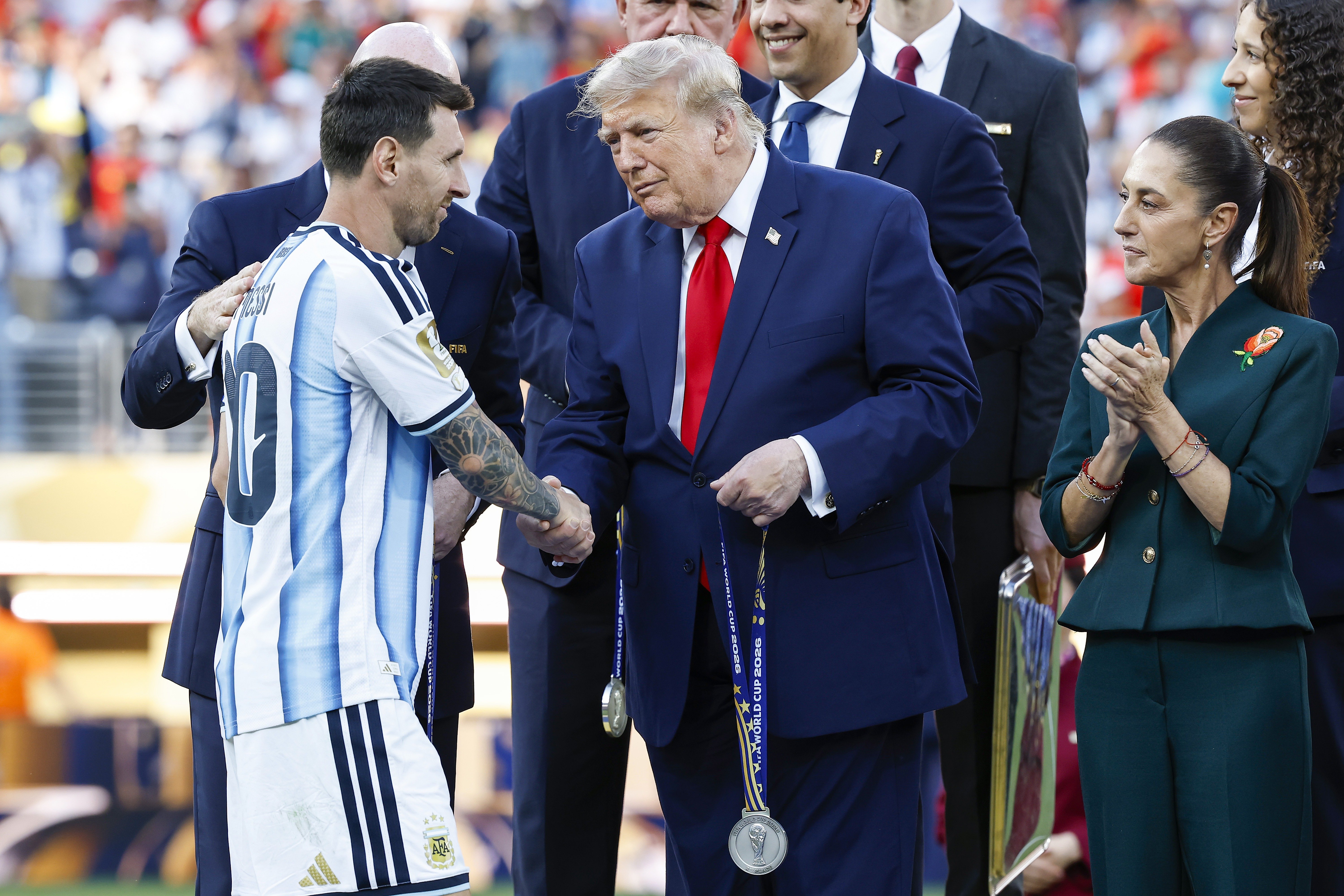
On July 5, before the U.S. played Belgium, FIFA announced that Balogun would be allowed to play and that his ban would be suspended. President Donald Trump later said he had spoken by phone with FIFA president Gianni Infantino and took credit for the decision.
Why prediction markets are getting scrutiny
Prediction markets let users buy and sell contracts tied to future outcomes, including sports results and player availability. If a trader has information before the wider public, that can raise questions about whether a market is fair, even when no manipulation is proven.
The World Cup drew heavy prediction-market activity beyond Polymarket. Kalshi, which partnered with ADI Predictstreet, the tournament’s official prediction market sponsor, said a record $1.2 billion in trades was placed on its platform to predict the World Cup winner.
Kalshi also said it added 3 million new users directly from the World Cup. That surge shows why sports integrity groups are paying close attention to betting and prediction-market data around major tournaments.
For now, the Group of Copenhagen’s findings point to matches and controversies it believes deserved closer review. FIFA’s position remains that it found no suspicious betting activity or signs of match manipulation tied to any fixture.
This story draws on original reporting from Mashable.