PSN and Xbox outages revive fears over digital-only games
Recent console network failures left some players unable to launch installed games, raising fresh worries as Sony prepares to end disc production.
By Poppy Nakagawa · Culture Writer
3 min read
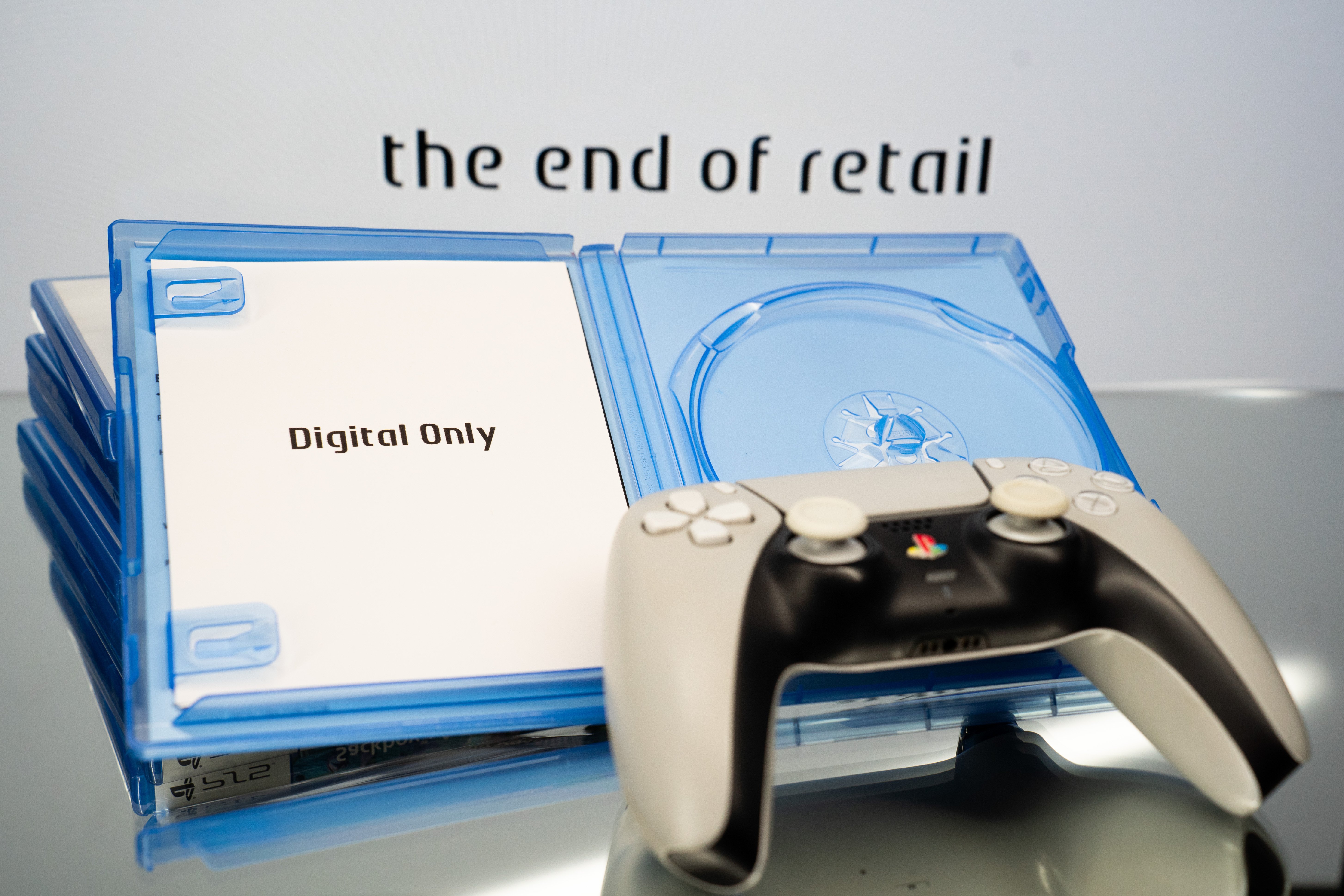
Recent PSN and Xbox outages have put a bright red warning light over gaming’s digital-only future: when the network breaks, some players can lose access to games already sitting on their consoles.
Sony’s PlayStation Network went down first, followed by a significant Microsoft Xbox outage two weeks later, according to Mashable. The Xbox disruption was especially frustrating for users because many Xbox games require online authentication before they can open.
That meant some players were not only cut off from online features, they also could not start installed games. PlayStation owners have their own reason to watch closely: Sony has confirmed it will stop making PlayStation game discs after January 2028.
Why do PSN and Xbox outages stop games from launching?
Some modern games check in with online services to confirm access rights, even when the game data is already installed locally. If that authentication system is unavailable, the console may be unable to verify the license and the game may not launch.
For decades, console gaming revolved around a physical object: a cartridge or disc that could be inserted, loaned, resold or kept on a shelf. Discs also had technical drawbacks, since optical drives could lag behind the speed needed for modern game performance.
As game files grew, publishers moved more data onto console hard drives and leaned on upfront installation. The shift made sense for performance, but it also helped push the industry toward downloads, accounts and servers as the gatekeepers of access.
What changes when PlayStation game discs end?
Sony’s plan means that, after January 2028, new PlayStation game purchases will be online-only, according to Mashable’s reporting on the company’s confirmation. Sony is not taking away discs customers already bought, but the end of disc production removes a fallback for future releases.
The concern is bigger than one outage. Streaming services such as Netflix and Spotify sell access to media that can change when licensing deals expire or platforms remove titles. A famous earlier example came in 2009, when Amazon removed George Orwell’s Nineteen Eighty-Four from users’ Kindles because of a rights issue, according to The Guardian.
Games face the same pressure points. Publishers can remove digital titles from libraries over licensing disputes or expired royalty agreements, and online games can become unplayable when servers are shut down after they stop earning enough to justify operating costs.
Sony has also said it will close its PS3 and PS Vita stores in some countries as early as August. The company said users “will still be able to download previously purchased content after the closing date,” but described that support as lasting for “the foreseeable future.”
What happened with Ubisoft’s The Crew?
Ubisoft’s racing game The Crew became a flashpoint for the debate. The company sunset the decade-old title in 2024, and because it required a persistent internet connection even for single-player mode, players lost the ability to launch it after Ubisoft delisted the game, revoked existing licenses and shut down its servers.
Ubisoft offered refunds only to customers who had bought The Crew within the previous 14 days, under its standard refund procedure. The backlash helped fuel Stop Killing Games, a campaign founded by YouTuber Ross Scott that argues publishers should not make paid games permanently unusable.
The campaign has gathered more than 1 million verified signatures through a European Citizens’ Initiative. Reuters reported that it also helped spur a French consumer lawsuit against Ubisoft over the shutdown of The Crew.
For players, the recent Xbox and PlayStation disruptions were a blunt preview of the risk. As discs disappear, access depends more heavily on servers, licenses and company policies that can change long after the purchase screen says the game is yours.
This story draws on original reporting from Mashable.