Red light masks test finds wavelength and consistency decide results
Mashable tested 11 LED face masks over 12 months and says six delivered visible results, with wavelength and irradiance key to performance.
By Poppy Nakagawa · Culture Writer
3 min read
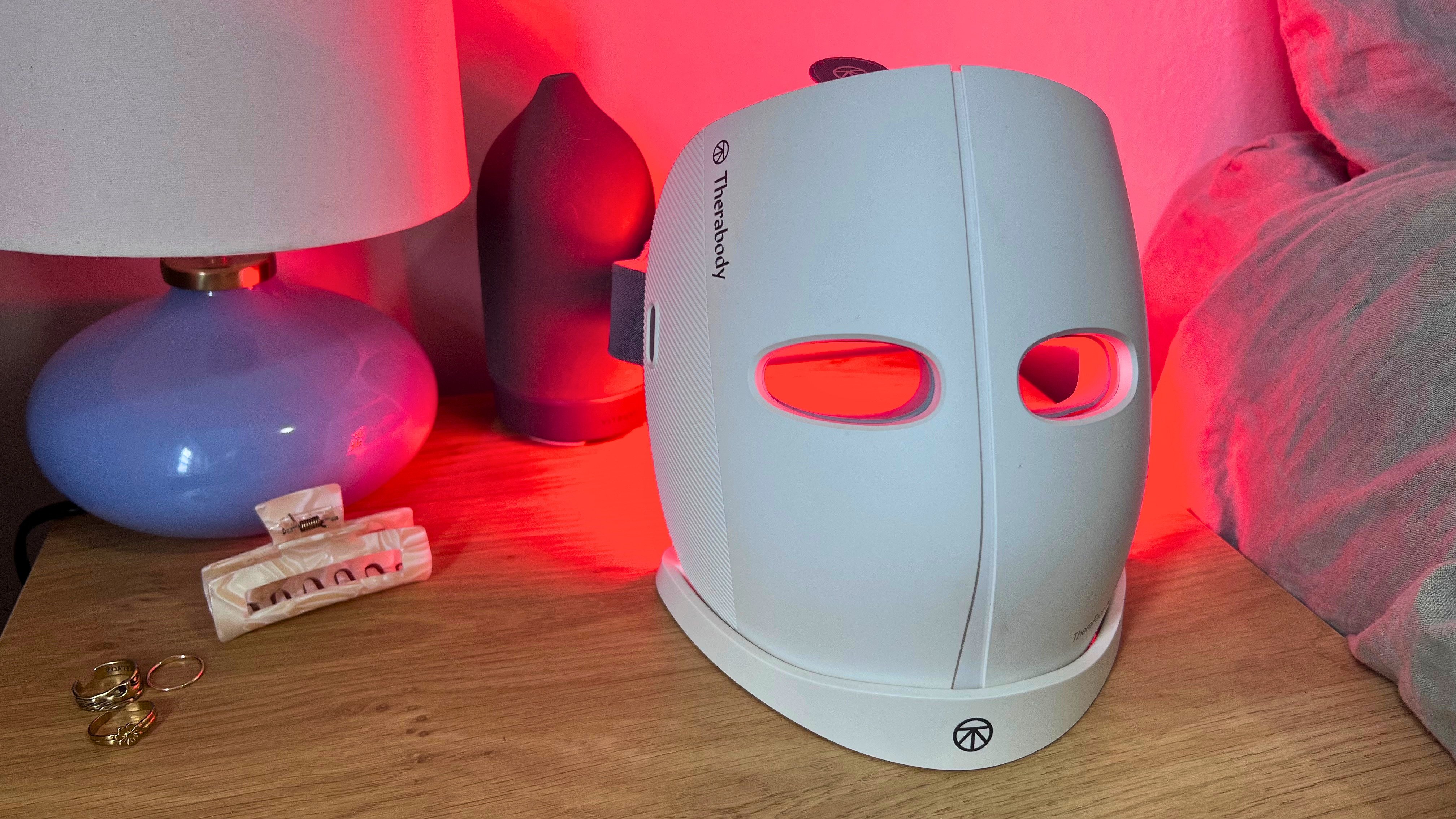
A year-long red light masks test by Mashable found six LED face masks worth recommending after testers tried 11 products, with the strongest results tied to the light’s wavelength, energy delivery and how easy the masks were to wear consistently.
Mashable reported that red light face masks can be screened before purchase by checking whether the brand clearly lists the wavelengths used. The site said reputable brands tend to put those figures prominently in product listings because the numbers help show whether the light can reach the intended layers of skin.
What should you look for in a red light mask?
The first check is wavelength. Mashable cited research showing that certain red light wavelengths may help with fine lines, dark circles, crow’s feet, skin texture, wrinkles, collagen production, inflammation and redness.
According to Mashable, red light works in the dermis, the middle layer of skin, and needs wavelengths between 630 and 633 nanometers to get past the surface. The report said that range is used to support collagen and elastin production, even out redness, and help prevent scarring or red marks after pimples.
Many masks also include near-infrared light. Mashable said near-infrared light between 830 and 850 nanometers can travel deeper than standard red light, reaching tissue below the dermis to support cell turnover, firmness and healing for deeper spots or stubborn dark circles.
What does blue light do in face masks?
Blue light is commonly aimed at acne, and Mashable said some stronger red light masks combine blue and red therapy. The report cited blue light at 415 nanometers as having an antimicrobial effect on the epidermis, the skin’s top layer, where it can target acne-causing bacteria before a breakout begins.
Mashable said red light can then help calm inflammation and speed healing if acne continues, including cases linked to hormonal or cystic acne rather than bacteria.
Why irradiance matters as much as wavelength
Mashable pointed to irradiance as the next big factor. Wavelength describes how far light can travel, while irradiance measures how much light energy reaches the skin during a session.
The report said irradiance is measured in milliwatts per square centimeter, and cited an optimal red light face mask range of 30 to 100 mW/cm². Mashable noted that many brands do not publish this figure directly.
Session length can offer a clue. Dermatologist Dr. Mamina Turegano said on YouTube, according to Mashable, that higher irradiance means more effective energy delivery per minute of use. Mashable reported that a mask with a session shorter than 10 minutes may have higher irradiance than one requiring 20 to 30 minutes.
That matters for real-world use: Mashable said lower-irradiance masks may need longer sessions, which can make people less likely to keep using them.
Do bulb count and placement change results?
Mashable said bulb count and placement can affect results, especially when users want changes in one area of the face. Masks with more evenly packed bulbs can give more consistent coverage than designs with sparse light placement.
The report singled out Shark CryoGlow as a mask that can emit red and blue light simultaneously from every bulb, which Mashable said may make it better suited for full-face acne prevention. By comparison, Mashable said the Dr. Dennis Gross DRx SpectraLite has blue and red LEDs concentrated in certain areas.
Mashable also highlighted comfort as a practical factor because LED masks require steady use. Its testers said visible results require consistency, with users needing to wear a mask regularly for at least one to two months.
The bottom line from the 12-month test: Mashable found six recommended masks among 11 tested, but the buying checklist is broader than a buzzy brand name. Wavelength, irradiance, bulb layout, session time and comfort all shape whether a red light mask is likely to earn its spot on the bathroom counter.
This story draws on original reporting from Mashable.