St. Mary’s fish sauce cleanup begins after decades of odour
Crews are emptying 110 tanks of long-fermented fish sauce in St. Mary’s, with removal expected to run into October.
By Bianca Rossi · Entertainment Editor
2 min read
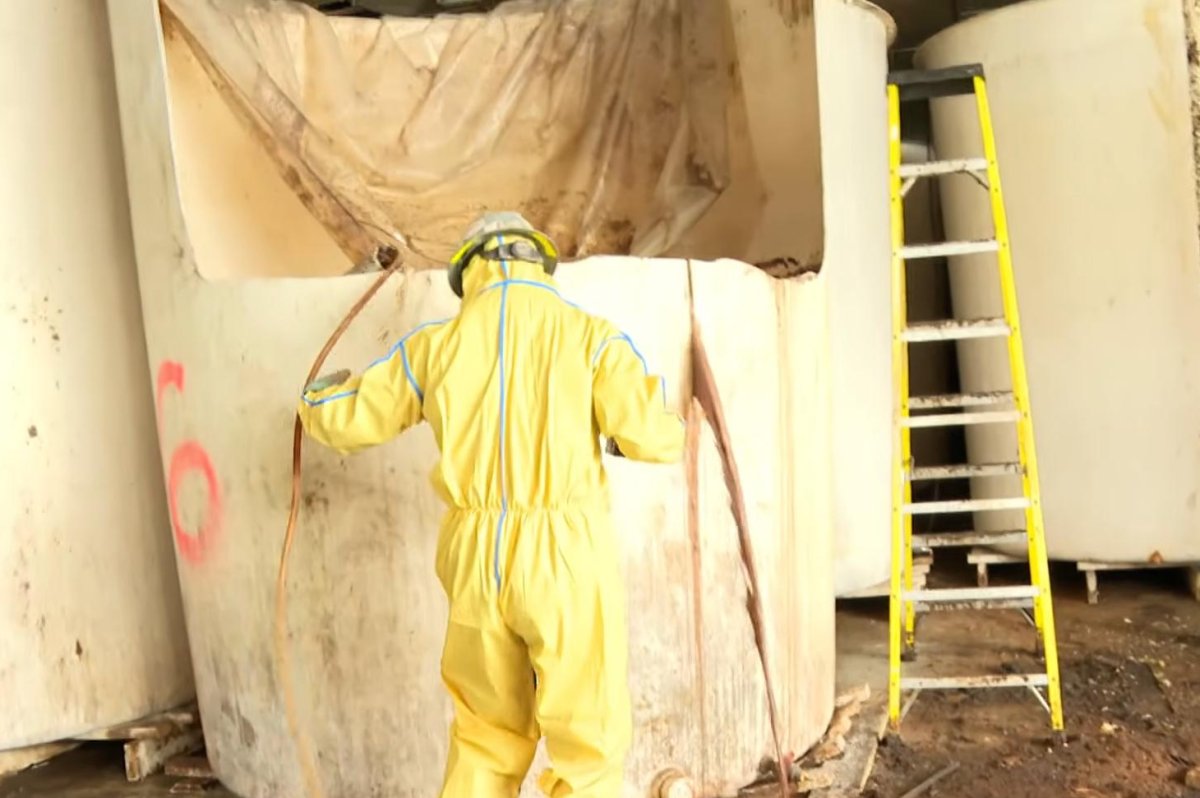
The St. Mary’s fish sauce cleanup is finally under way in Newfoundland and Labrador, where crews began opening 110 tanks of decades-old fermented fish sauce at the former Atlantic Seafood Sauce Company plant on Tuesday, July 28.
The plant has been abandoned since the early 2000s, but the material left inside kept its presence known. CBC News reported that the tanks each held about 3,000 gallons, leaving the community to live with the odour for years.
How is the St. Mary’s fish sauce being removed?
Contractor Sharp Management is cutting open the tanks, then combining the sludge with peat moss so it can be turned into a transportable solid, CBC reported. The material is expected to leave the site in more than 200 truckloads.
The destination is Sunnyside, roughly two hours from St. Mary’s, according to CBC. That detail matters because CBC corrected an earlier report that had named Summerside instead.
Lead engineer Glenn Sharp told CBC the waste will go into a specialized 2,000-cubic-metre waste cell at the province’s only landfill designated for organic waste. Sharp said the cell will be sealed to keep odours from escaping once the material is contained.
In plain terms, the peat moss is being used to make the liquid-like waste solid enough to haul away. The specialized cell is intended to isolate it after disposal.
A long wait for removal
The Atlantic Seafood Sauce Company opened the facility in 1990 and was abandoned after legal and regulatory battles, CBC reported. The shutdown left the tanks and their contents behind.
St. Mary’s Mayor Steve Ryan said resolving responsibility for the cleanup had taken years of work involving different levels of government. CBC reported that Newfoundland and Labrador budgeted $2 million for the work in 2025 and is paying for the cleanup.
Ryan told CBC he believed the project was nearing its end, while also warning there could be setbacks. The schedule remains a projection: CBC and UPI reported that crews expect to finish by October, rather than confirming that the removal has already been completed.
The operation has just under 900,000 litres of fish sauce to manage, CBC reported. A CBC News video said the first load had already been hauled away and described the contents as capelin and salt that had fermented in vats for about 20 years.
For the town, the job is a carefully managed route from old tanks to peat-treated waste, trucks and a sealed disposal cell. Whether the long-running smell disappears as planned will depend on the work being completed and the containment performing as Sharp described.
This story draws on original reporting from UPI.