Taye Diggs bets on two-minute dramas with Microhouse Films
The actor’s new vertical-video platform sells token access to microdramas and says creators keep most of the proceeds.
By Bianca Rossi · Entertainment Editor
3 min read
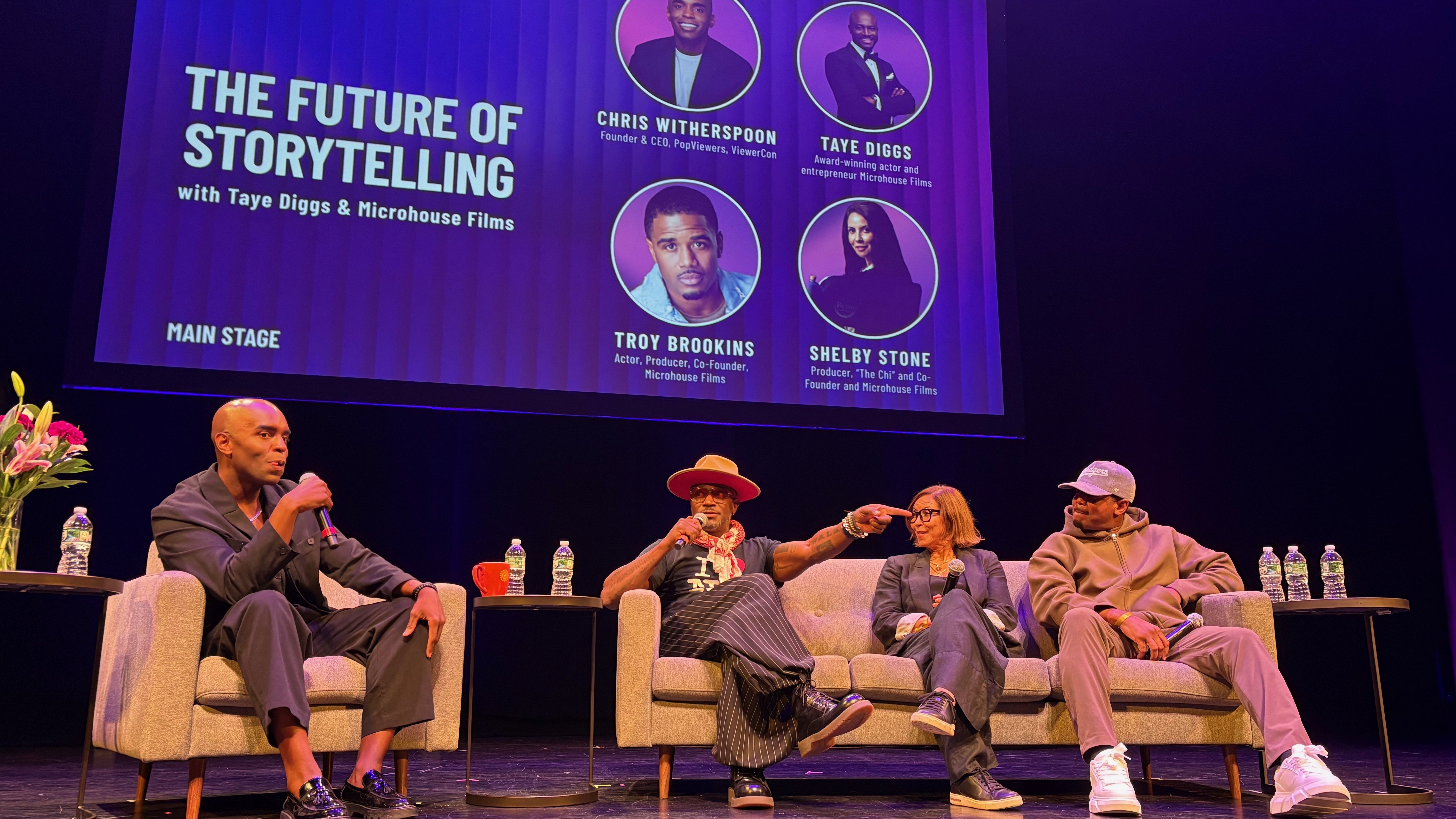
Taye Diggs is taking a sharp turn from traditional TV and film with Microhouse Films, a platform built for vertical, short-form episodic stories that can run in two-minute bursts.
Diggs discussed the venture on July 18 at ViewerCon in Newark, New Jersey, during a panel called “The Future of Storytelling with Taye Diggs & Microhouse Films.” He said long-form horizontal video has become a familiar path from creator content to streaming, while microdramas remain a format that “no one has really cracked.”
Microhouse Films is built around a creator-first pitch. Diggs said at the panel that the company is “including the creators from the get,” framing the service as a response to what he described as an industry habit of keeping artists away from audience data and upside.
The actor launched the platform with co-founders Shelby Stone, a producer on Starz’s The Chi, and actor-producer Troy Brookins. Film producers Autumn Federici and James R. Black are also co-founders.
A token model instead of a subscription
Microhouse Films runs through its website and mobile app, using credits rather than a standard monthly subscription. Viewers can buy tokens in packs of 10, 30, 50 and 120, at about 20 cents per credit.
Episodes on the platform cost between one and three credits to unlock. According to the company’s panel discussion, the creator decides how many credits an episode costs, giving filmmakers control over pricing for their own work.
Diggs said creators can remain tied to a project’s success as it grows. That structure, he argued, is a break from the models he has seen elsewhere in entertainment.
He pointed to a past experience with Netflix, saying he and his agents once asked how a film had performed with audiences and were told the company was keeping that data “under wraps.” Diggs said that kind of information gap helped push him toward a platform that shares more with creators. Netflix was not quoted responding to his account.
Diggs also said he has heard criticism from people in the business who told him vertical storytelling was “beneath you.” After producing two vertical microdrama series and launching Microhouse Films, he said the format has changed how he looks at the industry.
Creators get audience data and a larger cut
Stone said during the panel that Microhouse Films aims to give creators clearer information about pay and viewer behavior. She said creators can see how many coins viewers buy, how many coins are spent on their content and where viewers stop watching.
The company’s revenue split is also part of the pitch. Stone said the platform takes 25% of token proceeds to run the service, while the filmmaker receives 75% of the tokens spent on their content.
Diggs described that level of data sharing and the equity split as the opposite of how he believes much of the industry operates. Referring back to his Netflix example, he claimed companies can preserve power by withholding performance information, then offer less money on future deals.
In an interview at ViewerCon, Diggs said he does not yet know what the rise of microdramas will mean for entertainment or the creator economy. He described the space as new territory for him after years of working with completed scripts, directors and producers inside more familiar production systems.
Asked how many creators are already in the Microhouse Films network, Diggs did not give a number. He said the company is using submissions and plans to keep inviting creators, adding that the process has shown him many writers, actors and directors who have not yet been widely seen.
This story draws on original reporting from Mashable.