Tonight’s moon is a waxing crescent for International Moon Day
NASA’s Daily Moon Guide says 38% of the lunar surface is visible on July 20, with several features in view for skywatchers.
By Poppy Nakagawa · Culture Writer
2 min read
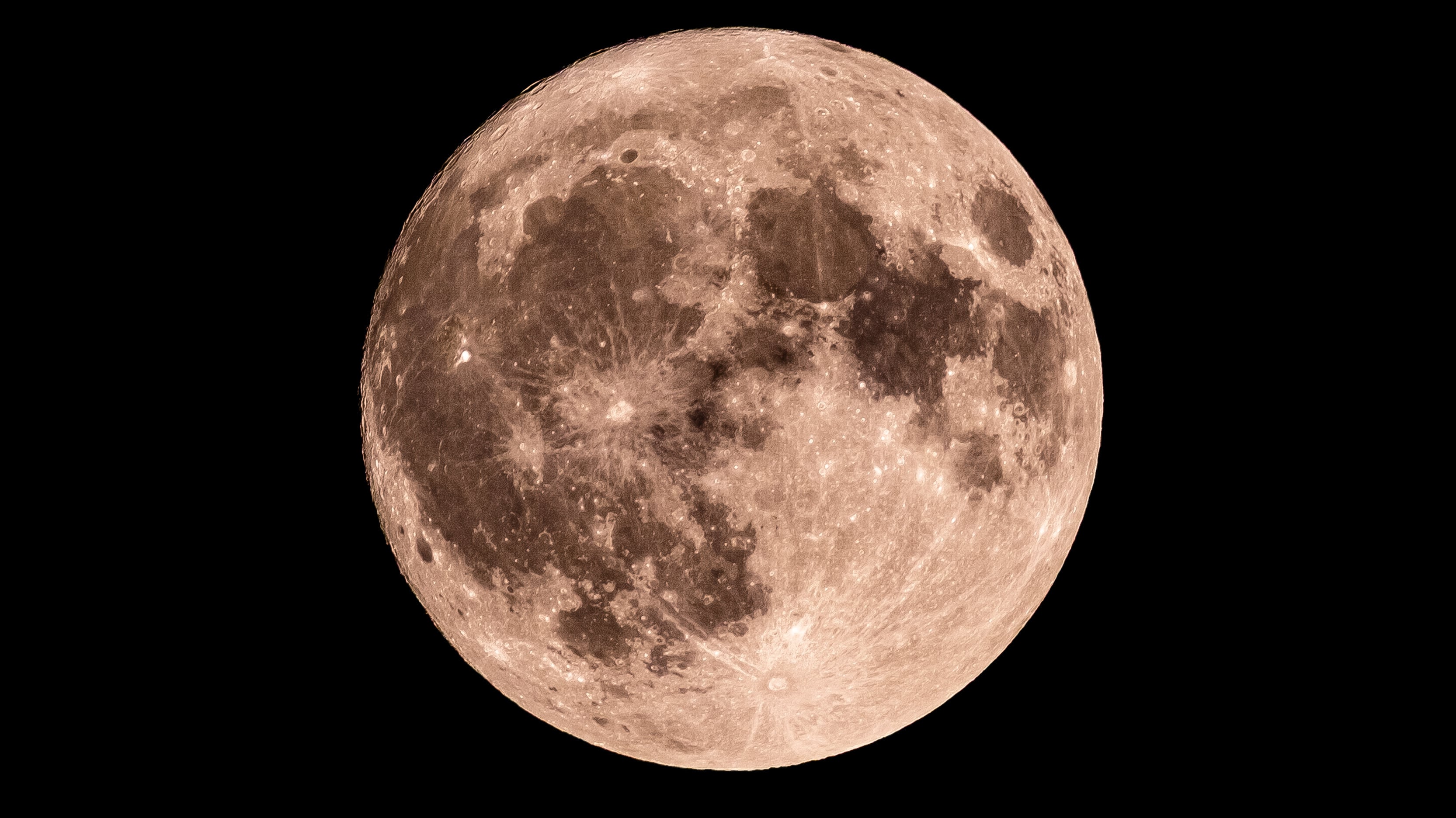
The Moon is putting on a crescent show for International Moon Day, with NASA’s Daily Moon Guide listing July 20 as a Waxing Crescent phase and 38% of the lunar surface visible.
International Moon Day is marked each year on July 20. The date honors Apollo 11, the mission that put humans on the lunar surface for the first time, and celebrates the Moon’s place in the story of space exploration.
For anyone looking up tonight, NASA’s Daily Moon Guide points to a Moon that is less than half lit, but still bright enough to reveal several notable surface features.
What to look for tonight
According to NASA’s Daily Moon Guide, skywatchers should be able to spot Mares Crisium and Fecunditatis without binoculars or a telescope.
Binoculars will add more detail. The guide says they can help viewers pick out Endymion Crater, Posidonius Crater and Mare Nectaris.
A telescope will open the view further. NASA’s guide says telescope users may be able to see areas including the Apollo 17 and Apollo 11 landing sites, a fitting target list for International Moon Day.
The next Full Moon is set for July 29.
Why the Moon changes shape
NASA explains that the Moon takes about 29.5 days to complete one full cycle around Earth. During that trip, it passes through eight phases.
The same side of the Moon faces Earth throughout the cycle, according to NASA. What changes is the amount of sunlight reflecting off the lunar surface from our point of view.
That shifting sunlight is why the Moon appears to move from a slim crescent to a half-lit shape, then to a fully illuminated Full Moon, before the visible light begins to shrink again.
The eight Moon phases
- New Moon: The Moon sits between Earth and the sun, so the side facing us is dark and not visible to the eye.
- Waxing Crescent: A narrow strip of light appears on the right side in the Northern Hemisphere.
- First Quarter: The right half of the Moon is illuminated, giving it the look of a half-Moon.
- Waxing Gibbous: More than half of the Moon is lit, but it has not yet reached full illumination.
- Full Moon: The entire face visible from Earth is lit.
- Waning Gibbous: The Moon begins losing light on the right side in the Northern Hemisphere.
- Third Quarter, also called Last Quarter: The Moon appears half-lit again, this time on the left side.
- Waning Crescent: A thin strip of light remains on the left side before the cycle returns to darkness.
NASA’s Daily Moon Guide is available at moon.nasa.gov.
This story draws on original reporting from Mashable.