Trump crypto income fuels fight over Congress’s next bill
Ezra Levin and Ben McKenzie argue that crypto money, Trump’s financial disclosures and the CLARITY Act have turned regulation into a corruption fight.
By Poppy Nakagawa · Culture Writer
3 min read
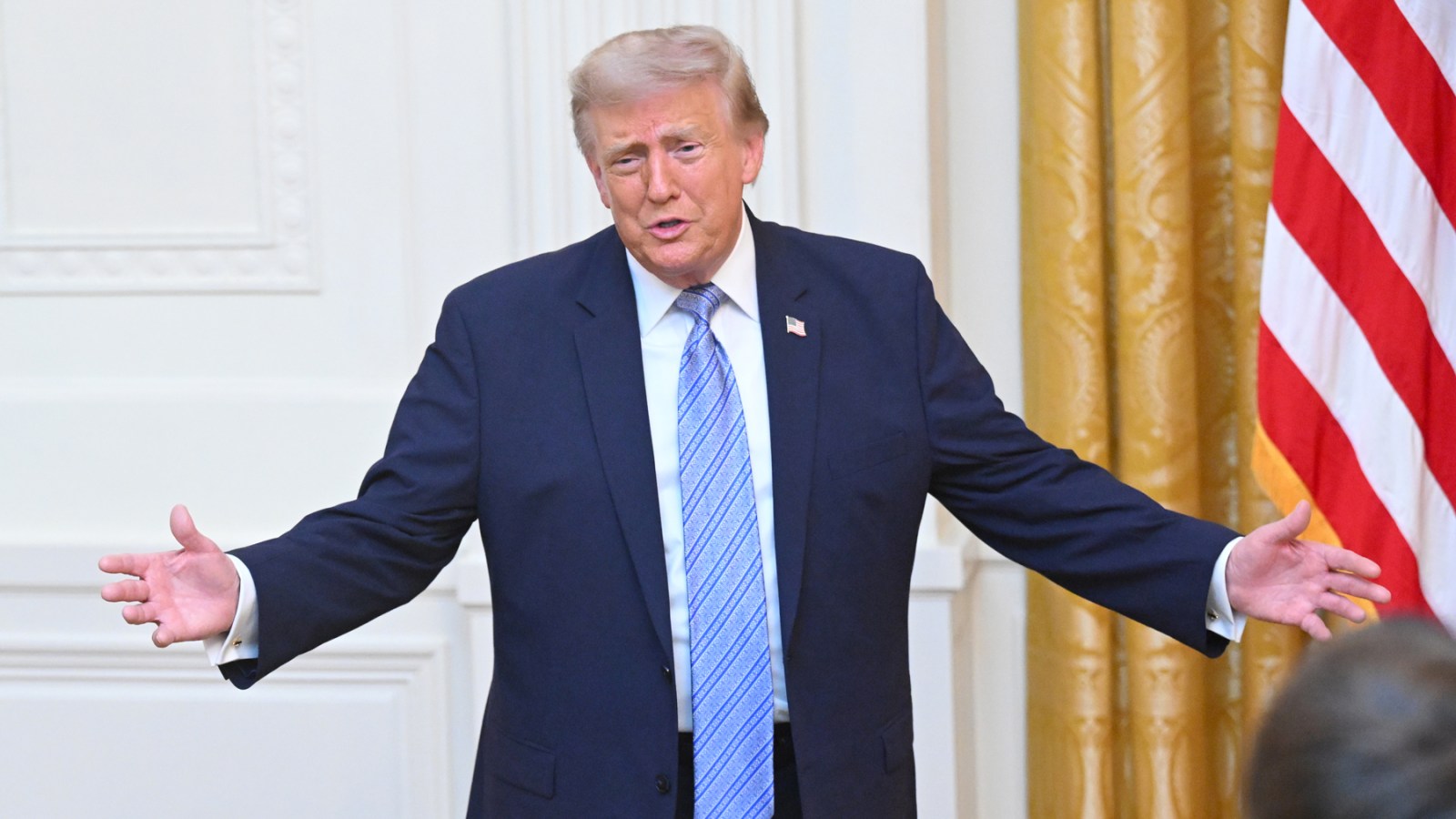
Donald Trump reported more than $1.4 billion in income from crypto ventures last year, according to a Reuters account of his financial disclosure, and two prominent critics say Congress is now weighing whether to give the industry even more room to run.
In a Rolling Stone commentary published July 19, Indivisible co-founder Ezra Levin and actor-author Ben McKenzie argued that cryptocurrency has become a major political force behind Trump’s movement, not just a risky corner of finance.
McKenzie, who has investigated crypto fraud, and Levin, whose organization works with local pro-democracy groups, wrote that they came to the same view from different worlds: crypto has become, in their words, a political machine powered by corruption.
Their warning centers on money. The crypto industry has spent nearly $200 million to influence the 2026 elections, Reuters reported, a figure Levin and McKenzie cite as evidence that the sector is trying to shape both who wins office and how federal rules are written.
They describe a familiar Washington playbook: super PAC spending in primaries, outside attacks on candidates and pressure on lawmakers who will later vote on regulation. Their argument is that crypto firms have billions riding on decisions made by Congress and federal agencies.
The GENIUS Act set the stage
Levin and McKenzie point to last year’s GENIUS Act as the first big payoff. They describe the law as friendly to the crypto industry and say it moved through both chambers of Congress with near-unanimous Republican backing and support from dozens of Democrats.
According to their account, critics warned during that fight that Trump could benefit financially from the bill. Republicans rejected ethics provisions that would have limited him, Levin and McKenzie wrote.
They argue Trump’s reported crypto income shows those concerns were not abstract. The commentary says the president is profiting from an industry that is also spending heavily to influence elections and seek favorable treatment from the government. No response from Trump is included in the commentary.
CLARITY Act draws fire
The next flashpoint is the CLARITY Act, which Congress is considering. Levin and McKenzie say Trump and the crypto industry are pushing for the measure, and they call it more consequential than the GENIUS Act.
Critics cited in the commentary warn that the bill would move much of crypto oversight to a weaker regulatory body. They say that could reduce investor protections, create loopholes and increase corruption risks.
The piece frames the fight as bigger than tech policy. Levin and McKenzie write that ordinary consumers have been exposed to fraud, scams and market crashes during crypto’s boom-and-bust cycles, while industry insiders have gained wealth.
Their prescription is aimed mostly at Democrats. They call on the party to oppose the CLARITY Act, reject crypto campaign contributions and independent expenditures, and stop relying on an industry they say is enriching Trump and his allies.
Levin and McKenzie argue that standing against crypto influence would also be good politics, saying voters want leaders focused on lower costs, consumer protection and accountability for wealthy interests. Their broader question for Congress is whether industries should be allowed to spend heavily in elections and then help shape the rules that govern them.
This story draws on original reporting from Rolling Stone.