Trump protest songs get a 25-track Rolling Stone ranking
Rolling Stone ranked anti-Trump songs from Eminem, Pussy Riot, Public Enemy, Margo Price and more across rap, punk, folk and country.
By Poppy Nakagawa · Culture Writer
3 min read
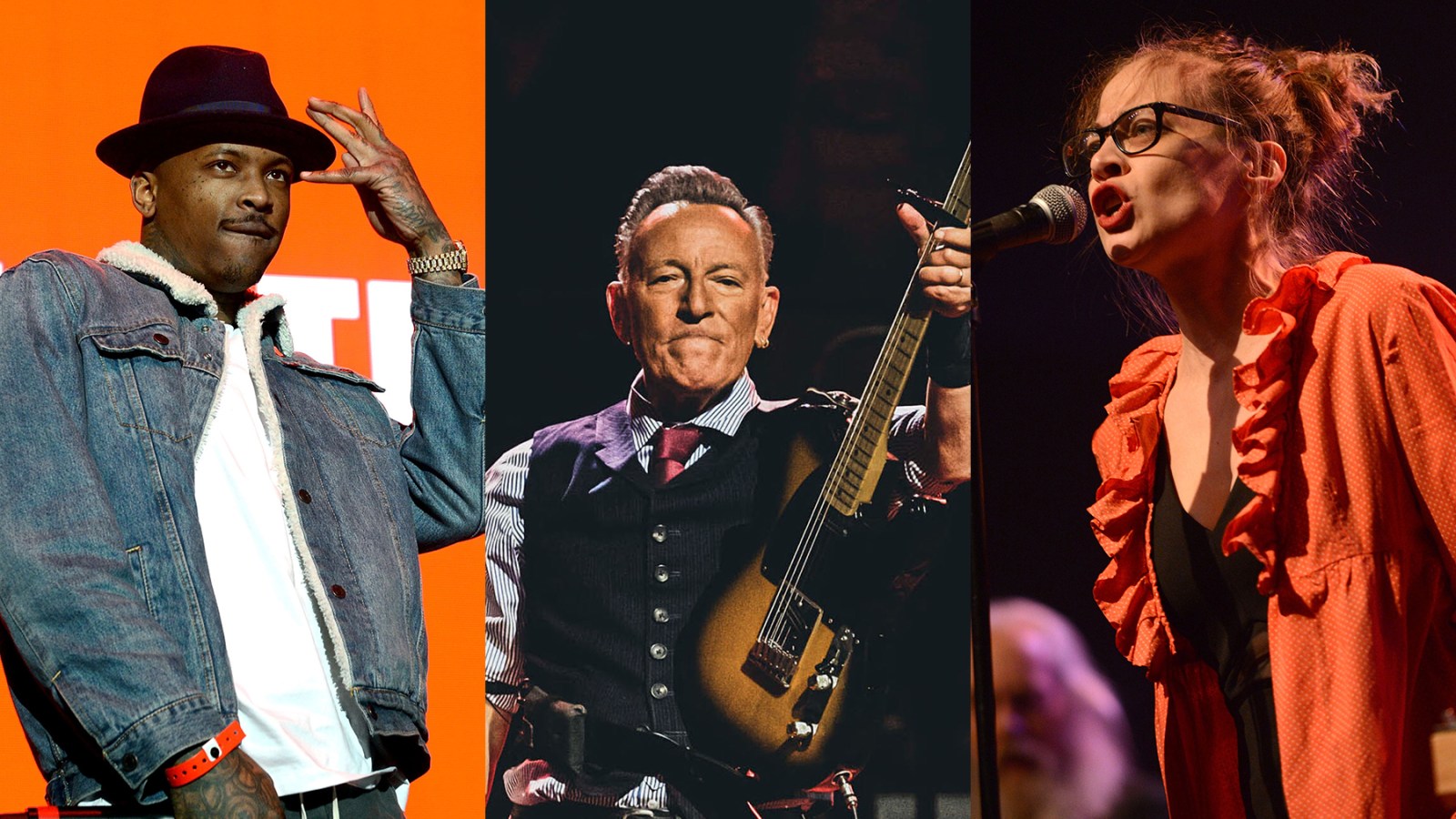
Rolling Stone has put Trump protest songs under the spotlight with a new 25-track ranking that stretches from 1990s hip-hop to 2026 country, punk and folk releases.
The magazine said Donald Trump has drawn an unusually large wave of protest music since he announced his first presidential campaign, with artists writing about his politics, conduct and influence on American culture. Rolling Stone framed the list as a cross-genre survey, including rappers, punk veterans, indie bands, folk singers and country artists.
What are the Trump protest songs on Rolling Stone’s list?
Among the entries identified by Rolling Stone are Eminem’s 2016 freestyle “Campaign Speech,” Jello Biafra’s “Nazi Trumps Fuck Off,” Nicki Minaj and Mike Will Made It’s “Black Barbies,” Low Cut Connie’s “Livin in the USA,” Superchunk’s “Cloud of Hate” and the Coup’s 1994 track “Pimps (Free Stylin’ at the Fortune 500 Club).”
The list also includes Margo Price’s 2026 version of “Oval Room,” clipping.’s “Chapter 319,” Billy Bragg’s “City of Heroes,” DJ Shadow and Run the Jewels’ “Nobody Speak,” Anderson .Paak’s “6 Summers,” Dropkick Murphys’ “Citizen ICE,” Paul Metsa and Alan Sparhawk’s “No Kings No Crown,” L7’s “Dispatch From Mar-A-Lago,” Aimee Mann’s “Can’t You Tell,” Pussy Riot’s “Make America Great Again,” Tom Waits and Massive Attack’s “Boots on the Ground,” Jesse Welles’ “No Kings,” Downtown Boys’ “A Wall” and Public Enemy’s “State of the Union (STFU).”
Rolling Stone’s write-up points to several songs that were released during Trump’s first run for office in 2016. Eminem’s “Campaign Speech,” the magazine noted, arrived weeks before that election and included a warning aimed at voters considering Trump. Aimee Mann’s “Can’t You Tell” was part of author Dave Eggers’ “30 Days, 30 Songs” project, which Rolling Stone described as an anti-Trump song-a-day effort ahead of Election Day.
Other selections came after Trump’s presidency had already reshaped political music. Rolling Stone said Superchunk’s 2018 “Cloud of Hate” focused less on Trump personally than on the social anger the band associated with Trumpism. The magazine described Downtown Boys’ 2017 “A Wall” as a response to the border wall promise from Trump’s 2016 campaign.
Why did Rolling Stone include songs from 2026?
The ranking is not limited to Trump’s first campaign or first term. Rolling Stone included newer protest tracks that it said respond to Trump-era themes still driving music in 2026, including immigration enforcement, war, authoritarian imagery and fights over American identity.
Low Cut Connie’s Adam Weiner told Rolling Stone in a statement that “Livin in the USA” was about refusing to let “MAGA reactionaries” claim American art and joy. The magazine also cited Margo Price’s 2026 protest collection Days of Unrest, which included “Oval Room,” a Blaze Foley song originally written about Ronald Reagan that Price applied to Trump.
Several songs in the list take direct aim at immigration enforcement. Rolling Stone said Billy Bragg wrote “City of Heroes” after Rene Pretti’s killing in Minneapolis and described it as a tribute to residents resisting ICE. Dropkick Murphys’ “Citizen ICE,” according to the magazine, reworked the band’s earlier “Citizen C.I.A.” into a satirical recruitment song.
Rolling Stone also highlighted protest music built around broader anti-authoritarian messages. Pussy Riot’s “Make America Great Again,” Jesse Welles’ “No Kings” and Paul Metsa and Alan Sparhawk’s “No Kings No Crown” were all presented as songs pushing back against Trumpism through slogans, satire or folk-style solidarity.
The magazine’s list shows how anti-Trump music has moved well beyond one sound. Its picks run through the sneer of punk, the bite of rap, the moral clarity of folk and the storytelling instincts of country, all aimed at the same political figure.
This story draws on original reporting from Rolling Stone.