Trump weather forecasts concerns grow after Weather Service cuts
Meteorology experts say staffing losses and fewer balloon launches may be hurting forecast quality, though formal research is still pending.
By Bianca Rossi · Entertainment Editor
3 min read
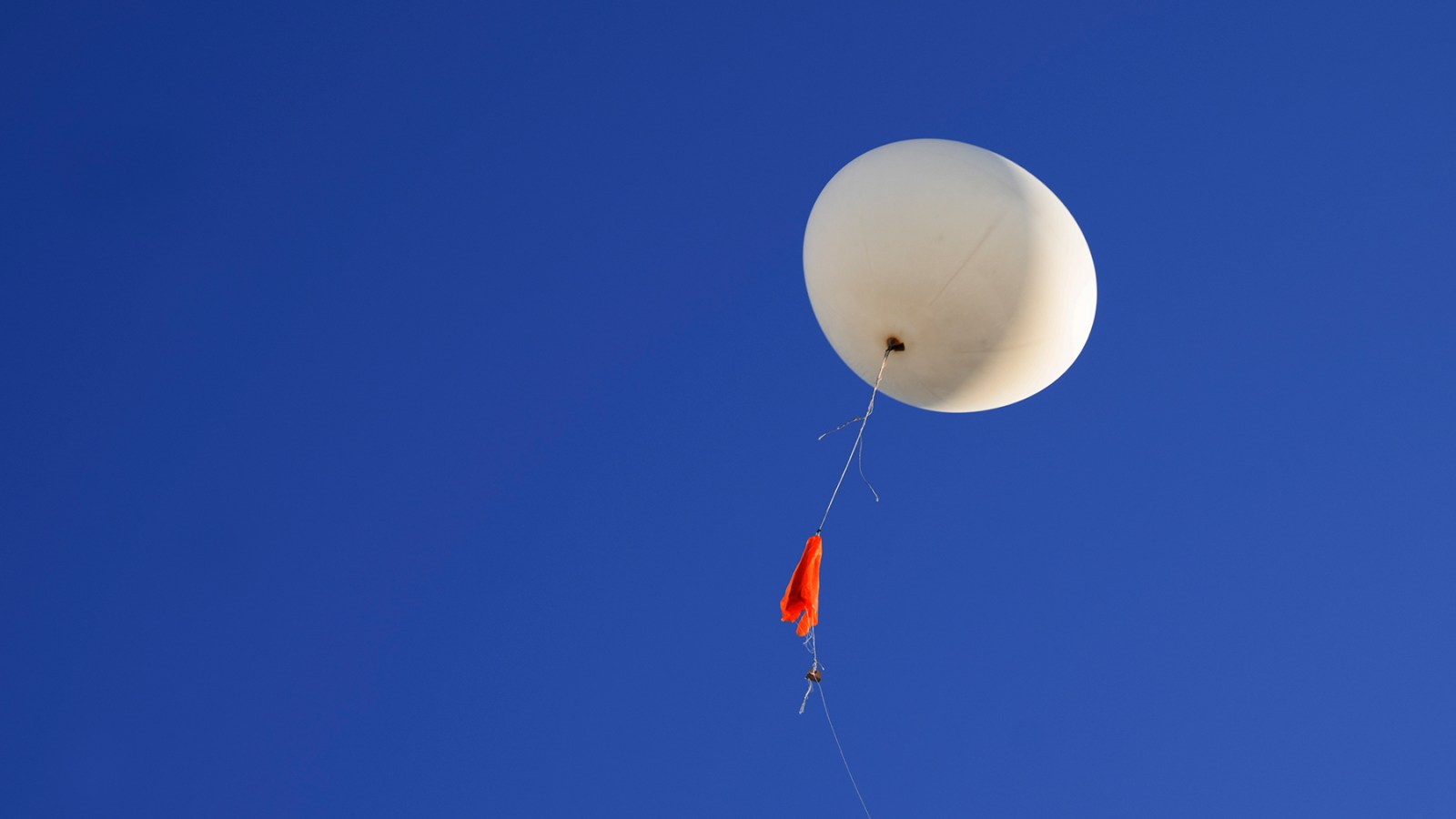
Concerns about Trump weather forecasts are growing as meteorology experts point to staffing losses at the National Weather Service and fewer routine weather balloon launches as possible reasons some predictions may feel less reliable.
David Stensrud, a professor of meteorology and atmospheric science at Penn State, said the Weather Service lost experienced employees last year. He said hiring restarted earlier this year, but newer workers may still be training or only beginning to settle into their jobs.
The concern is not just headcount. Stensrud said experienced forecasters carry institutional knowledge that helps turn raw data into useful predictions. If that knowledge leaves an office, he said, forecast quality can suffer.
Are weather forecasts getting worse because of Trump cuts?
Experts cited in recent reports say cuts and staffing problems could be making forecasts harder to produce accurately, but they have not yet pointed to a formal study proving a nationwide decline. Kristen Corbosiero, a professor of atmospheric and environmental sciences at the University at Albany, said she has not seen research that measures whether forecasts have been degraded.
Corbosiero said such analysis could take time. She also noted that weather service offices across the country historically launched weather balloons twice daily, though shortages of helium or staff could interrupt that schedule.
Weather balloons matter because they carry radiosondes, instruments that record atmospheric conditions used in forecast models. That information works alongside Doppler radar and satellite imagery to help meteorologists judge what the atmosphere is doing and what may come next.
Data from the National Oceanic and Atmospheric Administration shows weather balloons have been launched less often than before, according to Politico. Stensrud said staffing problems have meant many radiosonde sites in the central and western United States are missing morning launches and instead sending balloons up around midday, giving forecasters a less complete look at conditions.
Why do weather balloons matter for forecasts?
A weather balloon gives forecasters a vertical snapshot of the atmosphere, including information that computer models use to estimate storms, temperature shifts and other changes. Fewer launches mean less fresh data flowing into those models.
Corbosiero said staffing weather service offices and collecting weather and climate data are central to public forecasting. She said that information affects daily weather predictions and also helps track how the climate is changing.
There are signs of repair work. The New York Times reported recent hiring increases at the National Weather Service, and Corbosiero said she hopes those additions help address problems created after Trump returned to office. She cautioned that new employees need time to become effective in their roles.
The cuts extend beyond daily forecasting offices. NBC News reported that climate-measuring offices, including the National Center for Atmospheric Research in Colorado, have been closed by the Trump administration. Corbosiero said reduced monitoring of weather and climate could leave the country less ready for future extreme weather and could endanger lives.
The Weather Service’s job is to protect life and property, Corbosiero said. Experts now say the practical question is whether rehiring can rebuild the data-gathering and experience that recent cuts weakened before the next dangerous storm tests the system.
This story draws on original reporting from Rolling Stone.