Christopher Nolan’s The Odyssey sparks box office boom and backlash
Variety critic Owen Gleiberman says Nolan’s $124 million Odyssey opening shows the director’s cult-like pull, even if the film falls short.
By Bianca Rossi · Entertainment Editor
3 min read
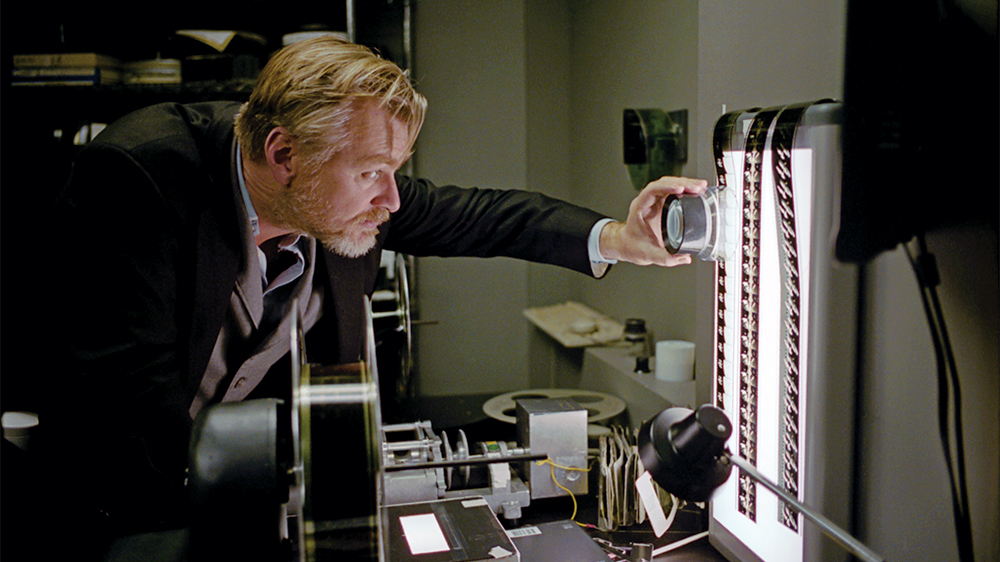
Christopher Nolan The Odyssey fever has hit hard: Variety reports the director’s three-hour Homer epic opened to $124 million domestically, delivered Nolan’s biggest international debut to date and has IMAX screenings booked up far into the run.
That commercial blastoff has now sparked a bigger argument about Nolan’s power over modern movie culture. In a column published Friday, Variety chief film critic Owen Gleiberman wrote that the success of The Odyssey confirms Nolan’s rare status as a filmmaker whose name alone can turn a release into an event.
Gleiberman said the film’s opening-weekend numbers tell only part of the story. He pointed to broad critical praise, attention from academic historians and early awards-season buzz as signs that Nolan is operating at a level few directors reach.
The critic compared Nolan’s current cultural grip to James Cameron during the arrival of Titanic, and placed him in a small club of populist auteurs that includes Steven Spielberg, Alfred Hitchcock, Stanley Kubrick and Quentin Tarantino.
Why is Christopher Nolan’s The Odyssey getting so much attention?
According to Gleiberman, Nolan’s films are treated as events before audiences even see them. He argues that the anticipation, the premium-format viewing and the post-screening debate all become part of the spectacle.
Variety’s report says The Odyssey has been embraced as both a box office force and a likely awards contender. Gleiberman wrote that the movie’s performance gives Nolan even more freedom to choose his next projects and steer the industry toward the kind of big-screen cinema he favors.
Gleiberman’s central complaint is not that Nolan lacks talent. He called The Dark Knight and Oppenheimer masterpieces, praising the former as an operatic noir spin on the comic-book movie and the latter as a historically grounded drama about the making of the atomic bomb.
His issue is what he calls the “Nolan Glow”: a reflexive reverence that, in his view, can make even uneven work feel untouchable. He described Nolan’s following as a “one-man movie cult” built around a more polished version of fanboy enthusiasm.
Gleiberman defines that elevated fan culture as a taste for cinema that feels cerebral while still chasing the rush of awe, scale and mind-bending spectacle. In his reading, Nolan has become the “thinking person’s fanboy demigod.”
The critic was far cooler on The Odyssey than many of his peers. He wrote that the movie has striking passages but felt “patchy,” distant and diffuse to him, even as friends praised its handmade strangeness and commitment to an unusual vision.
Gleiberman also revisited earlier Nolan titles, saying Memento announced the director’s puzzle-box instincts, The Prestige worked as clever entertainment, Tenet pushed too far into Nolan’s own tendencies and Dunkirk intrigued him while feeling too controlled in its violence.
His closing argument is a challenge to Nolan after another career peak. Gleiberman wrote that the director may benefit from stepping away from historical epics and trying something smaller, even as The Odyssey has already become a major phenomenon.
This story draws on original reporting from Variety.